The Story
Why it exists.
The beginning
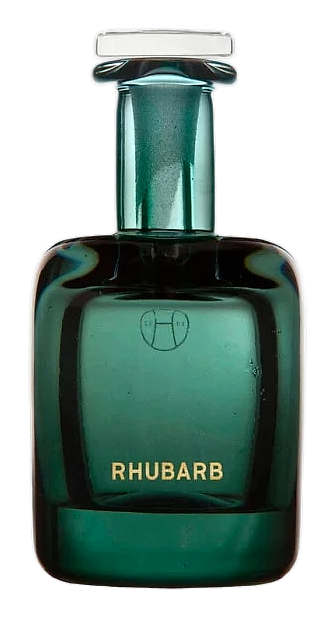
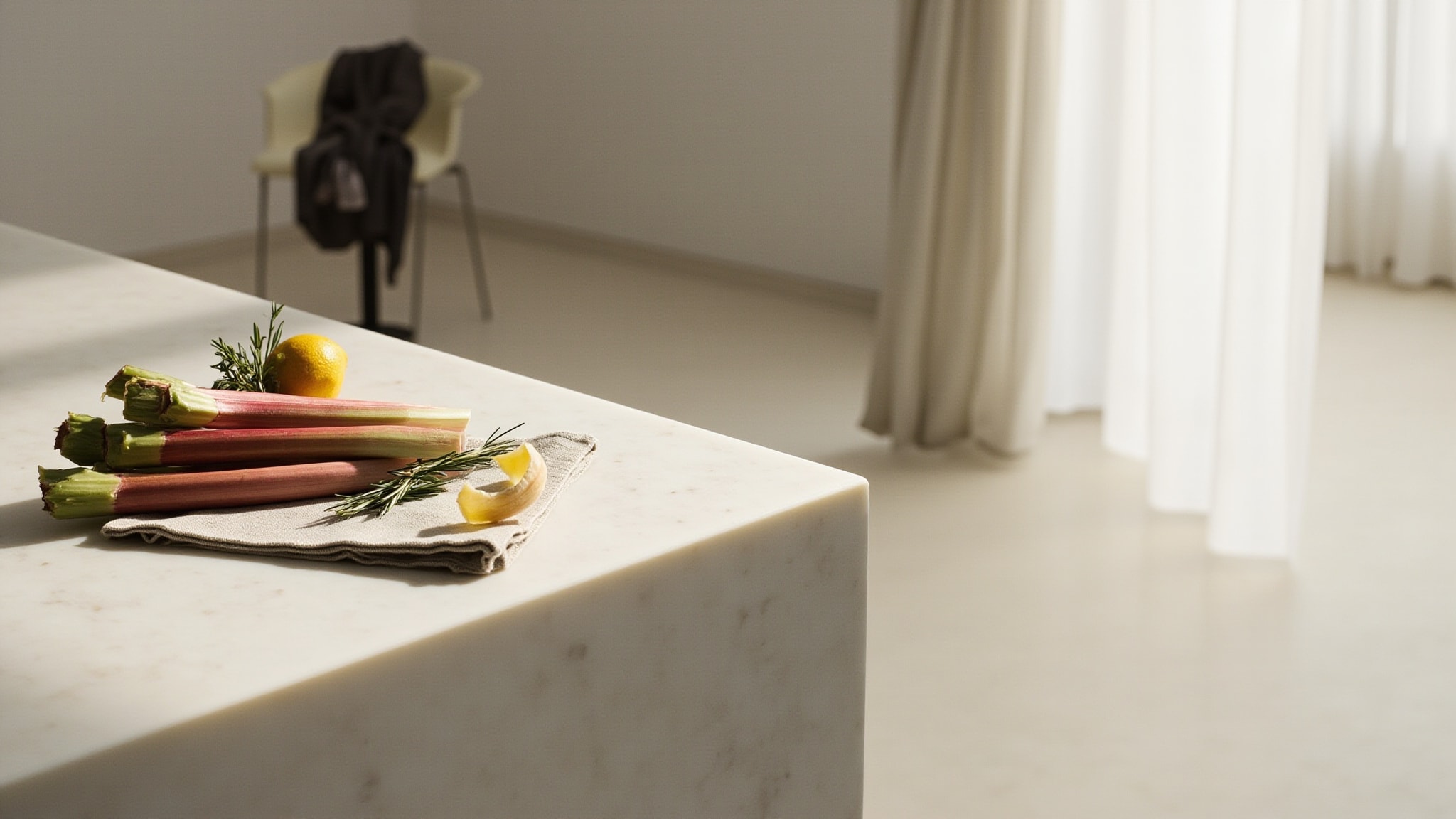
Lyn Harris's grandmother kept a garden. The kind with rhubarb pushing up through early soil, vivid pink stalks forced into the light under a canopy of green leaves. Rhubarb, released in 2023, draws directly from that memory. No abstraction, no literary detour. Just a raw material Harris treats the way she treats every ingredient in the Perfumer H catalogue: as a single, honest statement deserving of its own bottle. Rhubarb isn't a story about rhubarb. It's rhubarb, surrounded by a few companions that know when to step back.
The interesting choice isn't the rhubarb itself. It's what Harris does around it. Lemon and rosemary sharpen the sour-tart crack of the stalk, cutting into the fruit's bright acidity before it can tip into something purely culinary. Tunisian orange blossom absolute and Turkish rose water soften the edges just enough to keep it from reading as a kitchen ingredient rather than a perfume, lending a waxy, slightly honeyed floral cushion behind the tartness.
The evolution
The first spray is loud and fast, almost aggressive in its green sharpness. Sicilian lemon hits first, then the rhubarb cracks open like something bitten into, sour and vegetal and unmistakable. Within fifteen minutes the rosemary arrives, herbal and cooling, and the whole top phase hums at a frequency that reads almost medicinal in the best way. The heart phase shifts the register downward. The orange blossom and rose water soften the edges without sweetening the composition, and the woods begin their slow takeover. By the third hour the rhubarb has mostly faded but left a green ghost in its wake. What's left is a clean, dry woods accord, cedarwood and juniper holding the structure together like ribs under skin. Six to eight hours later, close to skin, the rosemary lingers longest, and the whole thing smells like the memory of the garden rather than the garden itself.
Cultural impact
Rhubarb sits firmly in the green-fresh category, but it reads more like a place than a typical perfume. Wearers describe the sour-tart crack of forced rhubarb at its center, surrounded by the dry snap of rosemary and the waxy warmth of orange blossom, with cedar and juniper turning the base into something almost twig-like and earthy. It appeals to the collector who values a clearly drawn material over a crowded composition, someone who wants the fragrance to announce what it is and then let that single idea carry the whole wear.