
The Story
Why it exists.
The beginning
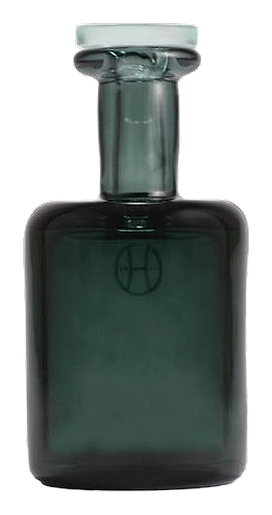
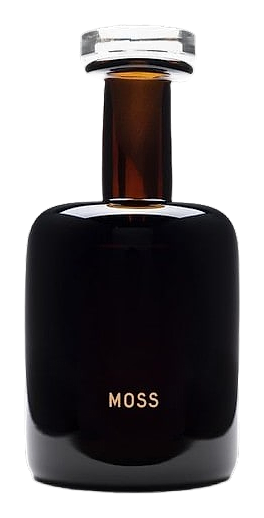
Oakmoss. Tree moss. The stuff that covers forest floors and smells like damp stone and decay, not exactly glamorous, but essential. Harris saw something else: a cool, androgynous fougere waiting to be built. Oakmoss and tree moss form the heart of the composition, lending their cool, slightly resinous green quality to the structure. Grapefruit and mandarin zest open the fragrance with bitter brightness, creating an initial impression that is sharp and energizing. Pine needle and lavender add an aromatic edge, contributing herbal and slightly camphorated notes that deepen the green character. The base settles into patchouli, tree moss, vetiver, and a hint of amber, creating a dry, earthy foundation that grounds the brighter opening notes without introducing warmth or sweetness.
Grapefruit, lavender, and vetiver appear in countless fragrances, yet in Moss they are recontextualized within a structure that foregrounds tree moss and oakmoss. These materials serve as the architectural backbone of the composition, shaping how the other elements relate to one another rather than simply contributing their own scent. The result is a fragrance that smells green in a way most green fragrances do not achieve: not the bright cut of galbanum or the sharp bite of fig leaf, but a cool, damp, slightly marine quality that recalls actual forest floor.
The evolution
Moss opens with a sharp citrus burst, grapefruit and mandarin zest arriving together, bright and almost astringent. The bitterness reads like cold air, crisp and immediate. Thirty minutes in, the citrus softens but does not disappear. French lavender moves forward, and with it comes the oakmoss, that cool, green, slightly resinous quality that gives the composition its name. The transition is not dramatic but gradual, the green notes building quietly beneath the citrus. As the fragrance develops, pine needle and vetiver become more apparent. The vetiver contributes its characteristic root-like quality, grounding the green notes without introducing sweetness. Patchouli anchors the base, dry and earthy, with tree moss adding a deep green persistence that lingers through the drydown.
Cultural impact
Moss attracts those who find revelation in materials others overlook. It is a fragrance that centers on oakmoss and tree moss, positioning these green, atmospheric notes as the defining character rather than a supporting element. The composition takes a material that many houses use sparingly as a base note and gives it prominence throughout the fragrance, from opening through to drydown. The Perfumer H catalogue reads like a diary of ingredients, and Moss represents a sustained exploration of forest floor qualities, translating cool, damp, slightly marine greenness into a wearable form.