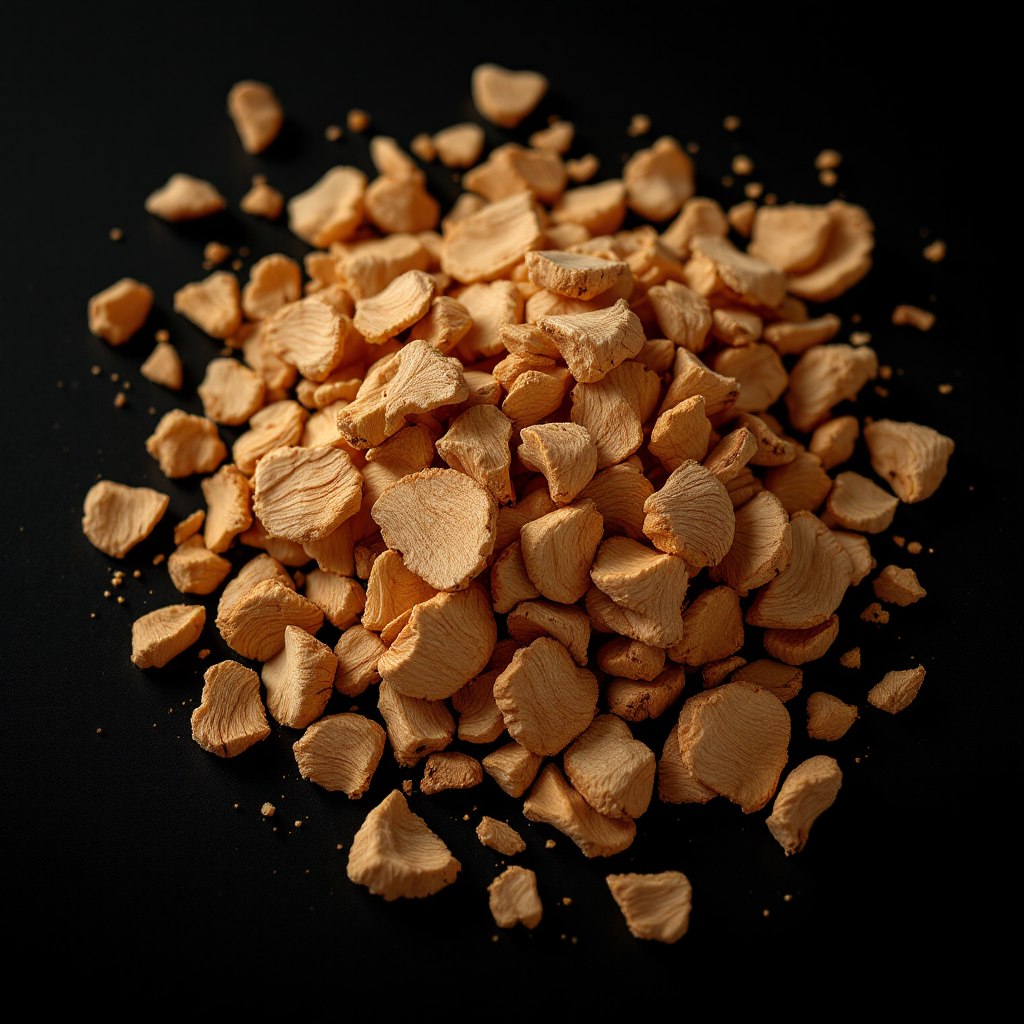
Siberian Stone Pine Needle
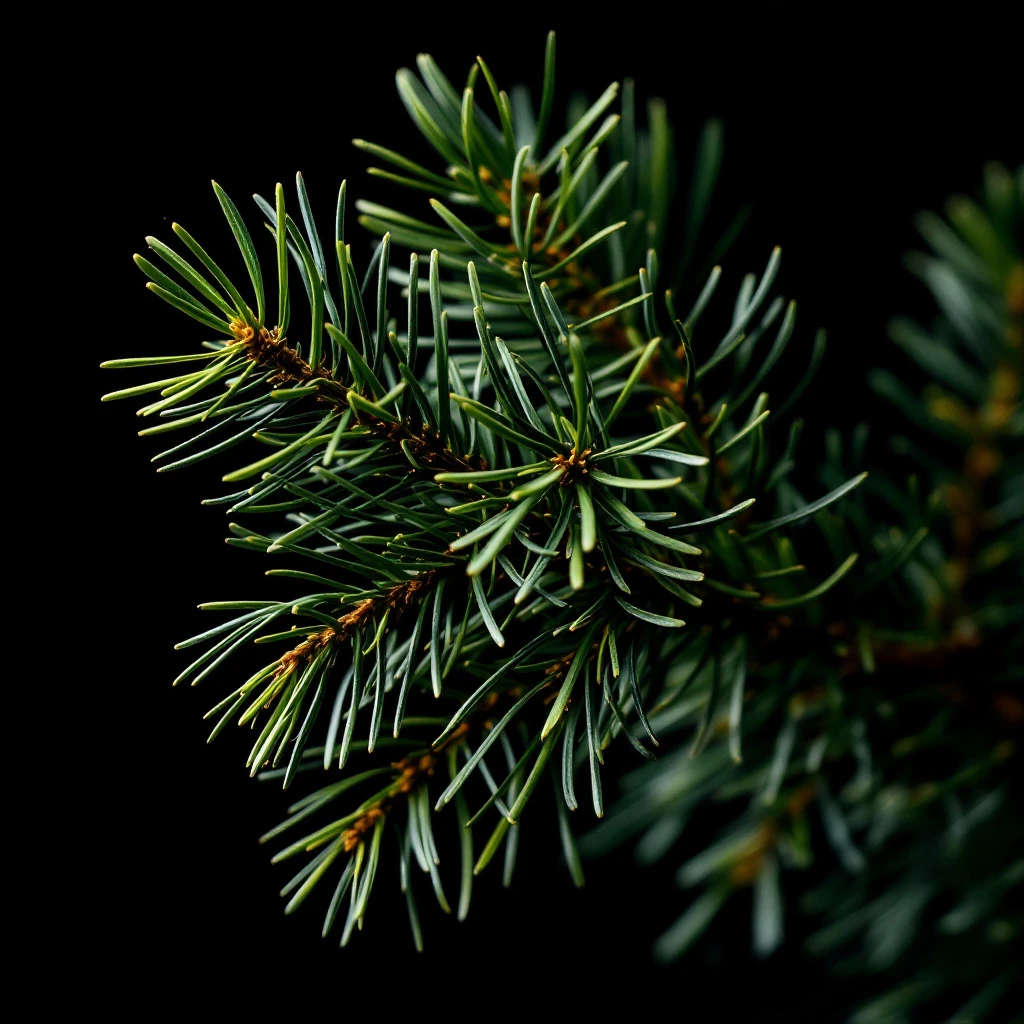
Siberian Stone Pine Needle captures the crisp, untamed spirit of subarctic forests. Distilled from Abies sibirica needles gathered across the vast Russian taiga, this material delivers a forest-fresh aroma with balsamic sweetness and clean, resinous undertones that evoke open skies and cold mountain air.
Character
How it smells
Boreal wilderness captured in a bottle.
Siberian pine needle oil contains bornyl acetate, the same compound responsible for the distinctive scent of Korean pine forests that perfumers travel thousands of miles to experience.




Origin
Russia
Pine needle aromatics have accompanied human civilization since ancient Egypt, where priests employed the oil in embalming rituals around 2000 BCE. Greek and Roman physicians documented pine's medicinal properties extensively, recommending pine-scented baths for respiratory ailments and muscular pain.
In Siberian cultures, the indigenous Evenki and Khanty peoples burned pine needles during ceremonial gatherings, believing the smoke carried prayers to spirit worlds. Russian foragers developed systematic pine needle harvesting during the 17th century, supplying aromatic materials to monasteries where monks crafted healing balms.
The material gained prominence in European perfumery during the 19th century when Russian traders established reliable supply routes connecting Siberian forests to Grasse, France. Contemporary fragrance houses still source Siberian pine needle oil from the same boreal regions, maintaining centuries-old relationships with local harvesting communities.
Wears it best
Fragrances featuring Siberian Stone Pine Needle
Brands
Brands known for Siberian Stone Pine Needle
Good to know
Questions, answered
The essentials on Siberian Stone Pine Needle in perfumery: how it smells, where it comes from, and how it behaves on skin.
What does Siberian Stone Pine Needle smell like?
Siberian Stone Pine Needle offers a sharp, forest-fresh opening with clean pine character. The scent features balsamic sweetness and subtle resinous undertones reminiscent of walking through snow-covered conifer groves. Drydown reveals woody, almost camphoraceous warmth.
How is Siberian Stone Pine Needle oil extracted?
Steam distillation extracts the oil from dried needles and twigs of Abies sibirica. Steam passes through plant material, carrying volatile aromatic compounds into cooling coils where condensation separates the essential oil from water. The process preserves sensitive compounds like bornyl acetate and limonene.
What chemical compounds define Siberian Stone Pine Needle's aroma?
Bornyl acetate contributes the dominant fresh-camphor character. Alpha-pinene and beta-pinene add sharp, woody pine notes. Limonene provides subtle citrus-fresh undertone. These three compounds typically comprise 60-70% of the oil's composition.
Is Siberian Stone Pine Needle harvested sustainably?
Ethical sourcing programs require needles and twigs come from timber operations, not live tree harvesting. This approach utilizes wood already felled for lumber, creating income for forest communities while preventing overharvesting of wild Siberian pine populations.
What fragrance families pair well with Siberian Stone Pine Needle?
The material integrates seamlessly into fougere structures alongside lavender and oakmoss. Woody bases featuring cedarwood and sandalwood amplify its forest character. Fresh citrus top notes enhance its natural brightness. It also complements other conifer materials like Douglas fir and juniper.
Where does Siberian Stone Pine Needle originate?
Abies sibirica grows across the Siberian taiga, Russia's vast subarctic forest stretching from the Ural Mountains to the Pacific coast. Harvesting concentrates in regions near Irkutsk and Krasnoyarsk, where cold winters produce needle oil with exceptionally high bornyl acetate content.
How long has pine been used in perfumery?
Ancient Egyptians incorporated pine resin in perfumes and ceremonial incense around 2000 BCE. European perfumers adopted pine needle distillation during the 19th century, establishing Siberian sourcing routes by the 1840s. The material has maintained continuous use in fine fragrance for over 150 years.
Does synthetic replacement exist for Siberian Stone Pine Needle?
Synthetic bornyl acetate mimics one aspect of the oil's aroma but lacks the complexity of natural steam-distilled material. Naturals contain trace compounds that create olfactory depth and subtle variations between batches. Most luxury fragrance houses specify natural origin for pine needle accords.