The Story
Why it exists.
The beginning
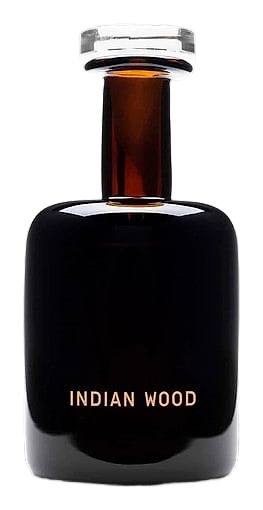
Lyn Harris has always been drawn to materials with weight, not loudness, but presence. Indian Wood began with a question: what does sacred smell like when it isn't a church or a mosque, but a place? Harris spent years studying how Indian perfumery uses sandalwood not as a base note but as a meditation. The result isn't a geographical fragrance. It's an emotional one. Sandalwood from Mysore, papyrus from Kerala, cardamom from Cochin, each ingredient sourced from regions where these materials have been part of ritual and daily life for centuries. The name, Indian Wood, honors that lineage without claiming to represent it.
What makes Indian Wood unusual in the Perfumer H catalogue is its structure, or rather, its refusal of conventional structure. Where most fragrances announce their top notes with confidence, this one arrives warm. The heart is the opening: Indian sandalwood and papyrus assert themselves immediately, with pepper and cardamom arriving not as a sharp first impression but as a gradual awareness, like noticing smoke in a room only after you've been breathing it for a while. Harris has described her work as "decluttering" the nose. Indian Wood is the most complete expression of that philosophy, a fragrance that asks you to slow down and find the message in the material.
The evolution
The opening announces itself with the warm spiciness of black pepper and cardamom, held up by a citrus brightness from bitter orange that stops it from going heavy too soon. Frankincense is present from the first minute, not as an accent but as a foundation, lending a resinous, slightly medicinal quality that grounds the top notes before they can scatter. As the first hour passes, the Indian sandalwood and papyrus begin their slow take-over. The papyrus adds an almost paper-like dryness; the sandalwood adds cream. By the second hour, you're wearing warm wood, not spice. The cedar and cashmeran arrive in the base, smoothing everything into a warm, slightly powdery finish. The bourbon vanilla appears last, barely, a whisper under the wood. Six to eight hours later, what's left on skin is the quiet memory of warmth. Not a statement. A settling.
Cultural impact
Indian Wood joins a quiet tradition in contemporary perfumery: Western noses reaching toward Eastern material culture. What separates it from heritage houses that use Indian ingredients as supporting players is the foregrounding, sandalwood and papyrus as the architecture, not the atmosphere. For collectors who find Gypsy Water too austere or Hwyl too brooding, this offers an entry point into meditative woody fragrance without the theatrical gesture. The 2023 launch places it in a lineage of material-focused, unhurried scents from a house that built its reputation on the radical act of simplicity.