The Story
Why it exists.
The beginning
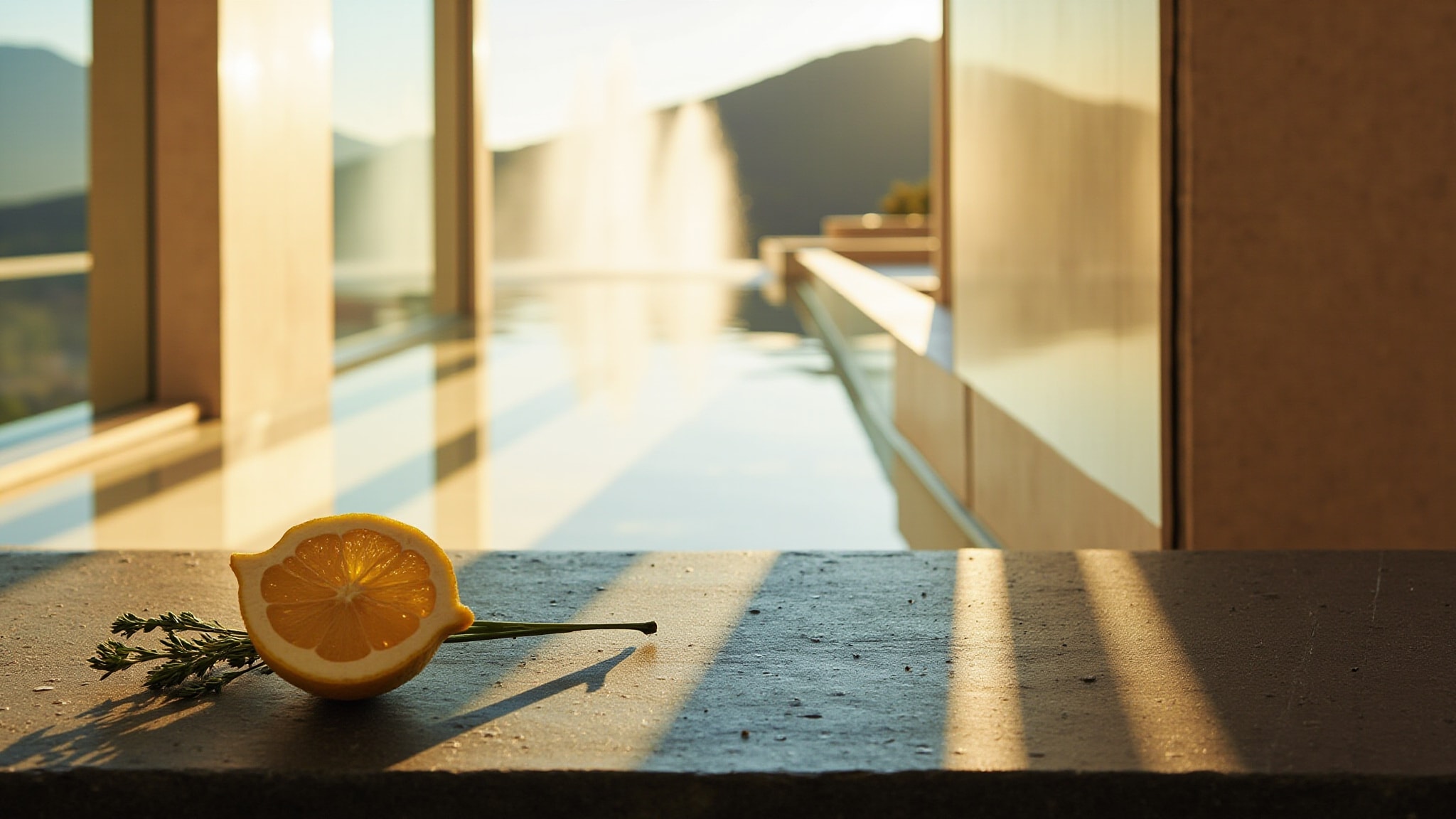
Niagara is named for the waterfall, and the brand treats that reference literally. The composition lives in the mist, in the spray that hits your face when you stand too close to the cascade. Paolo Gigli built the scent around the moment before the water falls: bright, sharp, and saturated with motion. The aquatic heart is the roar translated into olfaction. Everything else, the Amalfi lemon at the top, the jasmine threading through the middle, the sandalwood and amber at the base, exists to frame that single sensation. The opening hits with that sharp citrus clarity, almost like biting into the rind of a sun-warmed lemon, the green pith and all. Then the water notes arrive, and they carry something mineral rather than briny, the kind of cold you feel when wind picks up off a wet surface.
What makes this composition work is the tension between the citrus-aquatic opening and the woody-creamy base. Artemisia brings a bitter green bite that most floral-aquatics avoid. It anchors the bright top notes in something herbal rather than purely sweet, giving the lemon and bergamot a slightly medicinal edge. The jasmine in the heart is sheer, almost transparent, used more for its watery white-flower quality than for indolic depth. Then the base does the heavy lifting: sandalwood and patchouli give the drydown an earthy creaminess, while amber and musk create the impression of skin that has been cool and wet for a while and is now warming back up.
The evolution
The opening is almost confrontational. Amalfi lemon and bergamot cut straight through, sharpened further by the green bitterness of artemisia. It smells like cutting into a fresh citrus stem, the bright pulp and the bitter pith meeting on the same knife. Then something shifts as the composition settles. The aquatic notes arrive, and they do not smell like the ocean. They smell like mineral water, like the cold spray off a rock face, the kind of wetness that has weight to it. The jasmine weaves in quietly, a white thread that you barely notice until it's gone, lending a clean floral lift that prevents the heart from feeling too austere. The heart phase is where the fragrance shows its range: cool, damp, slightly soapy in a clean way, with the sandalwood already pushing up from below like a foundation being laid. As the citrus fades entirely, a creamy warmth takes over.
Cultural impact
Niagara belongs to a particular tradition of Italian aquatic compositions that take water as their central subject and treat it with seriousness. The mineral clarity at its core keeps it from reading as a simple summer splash, and the woody base gives it enough weight to feel considered. The fragrance rewards attention, revealing more of itself as the hours pass rather than exhausting its appeal in the first spray. There's a patience to how it's built, a sense that the perfumer trusted the materials to unfold on their own schedule.