
The Story
Why it exists.
The beginning
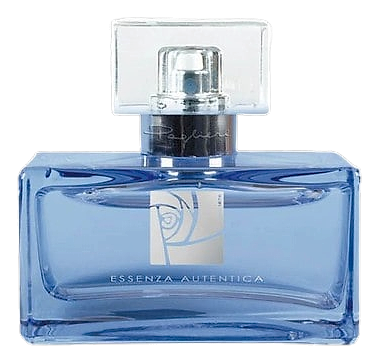
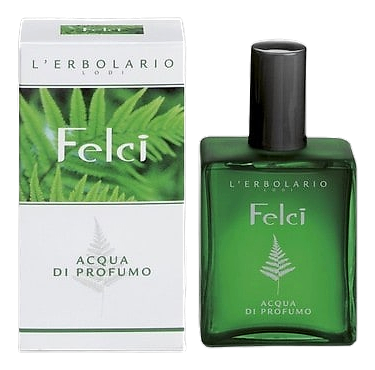
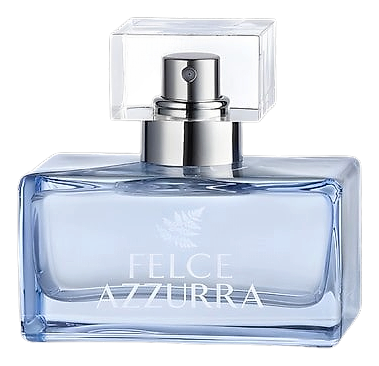
1923. Paglieri launches a cologne called Felce Azzurra. The name means blue fern, a clean, botanical reference that captures something specific about the scent without trying to explain it. Within years, the bottle shows up in Italian homes with the kind of quiet regularity that doesn't need advertising. The formula that emerged was simple in ambition and stubborn in execution, a musk-driven cologne with powdery sweetness that felt less like a luxury purchase and more like a piece of domestic furniture. Over a century later, that hasn't changed. The juice inside smells like soft soap left on a warm windowsill: an opening of citrus zest and green herbal notes that lift off the skin quickly, never shouting, never lingering past its welcome.
The choice to build Felce Azzurra around musk rather than a complex floral or citrus structure gives it a particular weight. This formula strips complexity back, letting the musk carry the load, which is why it reads powdery and warm rather than green or sharp. The animalic accord in the base gives it an almost human warmth, skin-adjacent rather than abstract. It's a fougère that forgot to be complicated.
The evolution
The opening hits clean and close. Not a bright, citrus-driven entry. Something quieter, almost soapy at first, the kind of scent that smells like it's already been on someone for twenty minutes. Over the first hour, that cool, powdery top softens into something warmer. The animalic accord starts to surface, giving the musk a depth that wasn't there at first spray. It's subtle. Not the kind of evolution that announces itself. By the third or fourth hour, the musk has fully taken over, warm, intimate, and slightly sweet, settling into whatever fabric it landed on. The next morning, a sweater or scarf will still carry a ghost of it. That persistence is the point. This isn't a fragrance that performs. It's one that stays.
Cultural impact
Felce Azzurra occupies a specific corner of the fragrance world. It's not trying to be a luxury statement or a conceptual art piece, and that absence of ambition is precisely the point. The fragrance earned its place through repetition rather than through marketing campaigns or celebrity endorsements. Bottles passed from one user to the next without anyone needing to explain why. The scent itself carries much of that cultural weight. It smells like the inside of a bathroom where someone just ran hot water, where soap has been used and the air is thick with steam and lavender and something vaguely powdery underneath.