The Story
Why it exists.
The beginning
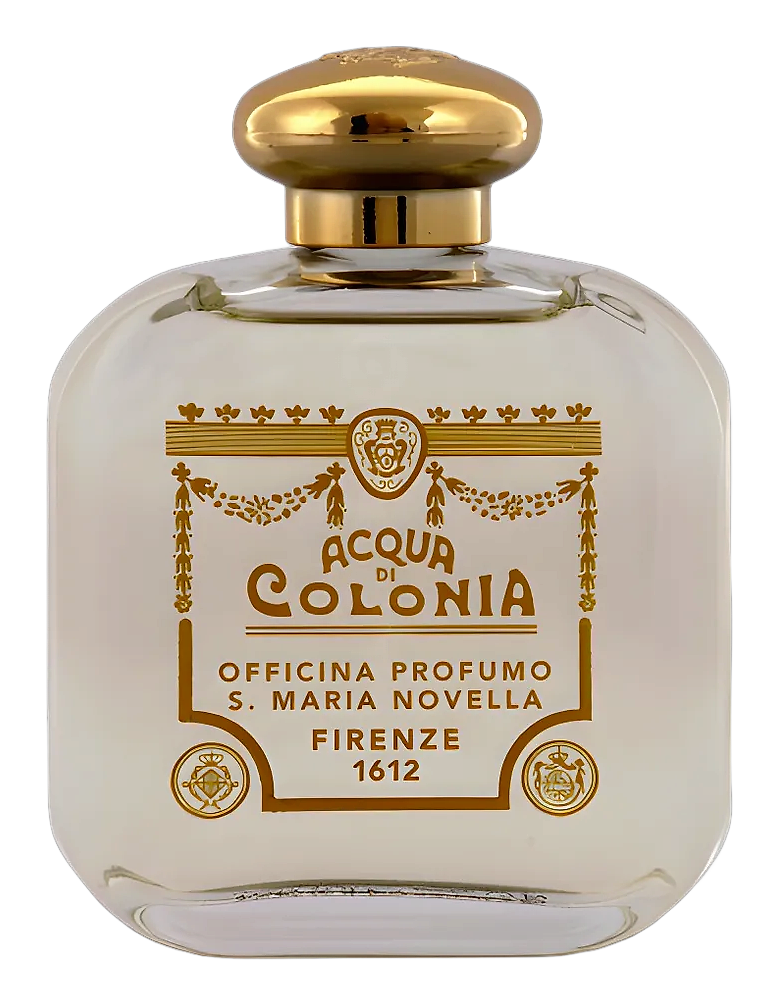
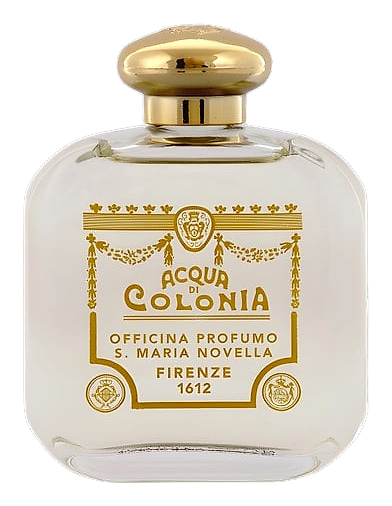
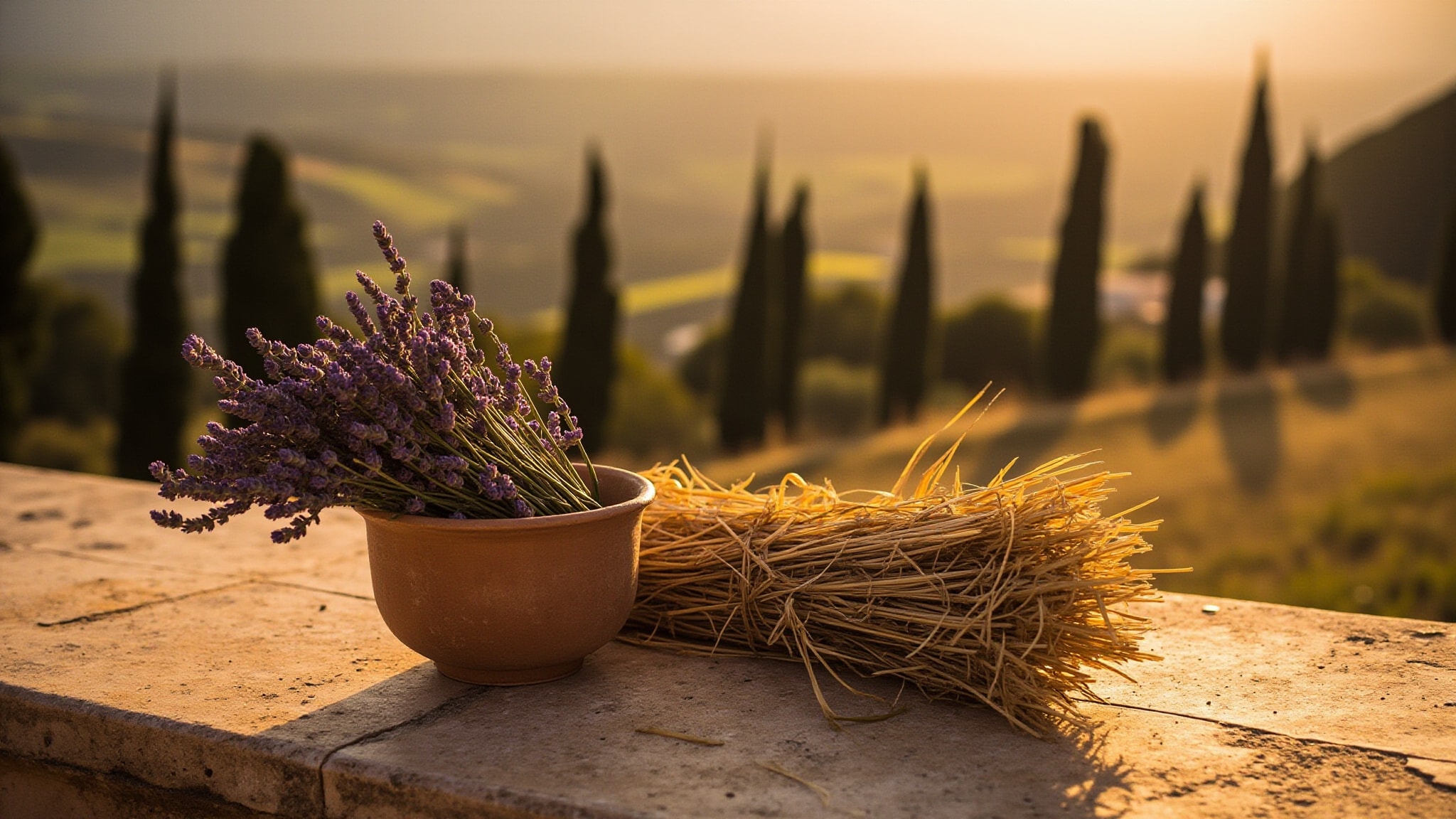
Fieno was composed in 1886 at the Officina Profumo-Farmaceutica di Santa Maria Novella, the Florentine pharmacy founded by Dominican friars in 1221. The brief was simple: capture the smell of Tuscan summer, specifically, the moment when meadow grass is cut and the air turns golden and warm. The apothecary tradition gave the perfumers access to botanical ingredients few others could source, and they built the fragrance around freshly harvested hay infused with the herbs that grew alongside it.
What makes Fieno unusual is the honesty of the hay accord. Coumarin, present in clover and dried grasses, gives it that boozy, almond-like warmth, but the Italian florals keep it from going medicinal. Hawthorn and myrtle add a slightly bitter, aromatic edge that root the composition in the Mediterranean landscape rather than a generic green note. The result is a hay that smells like a specific place and time, not a vague abstraction.
The evolution
Fieno opens on citrus and bergamot, clean, bright, brief. Within minutes the hay arrives, not sharp or grassy but warm, honeyed, almost powdery. The heart introduces lavender and rose, which soften the herbal character into something that reads closer to dusty florals than a meadow. As it settles, the vanilla and benzoin emerge, adding a creamy, resinous warmth that rounds the edges. The drydown is where Fieno earns its reputation: hay and sandalwood, close to the skin, lasting well past sunset on most wearers.
Cultural impact
Fieno has outlasted every trend in perfumery. Launched in 1886, it remains in production, one of the oldest continuously sold fragrances in the world. It occupies a rare position: old enough to be a classic, quiet enough to feel current. Wearers who return to it describe it as the scent of someone who doesn't need to try.