The Story
Why it exists.
The beginning
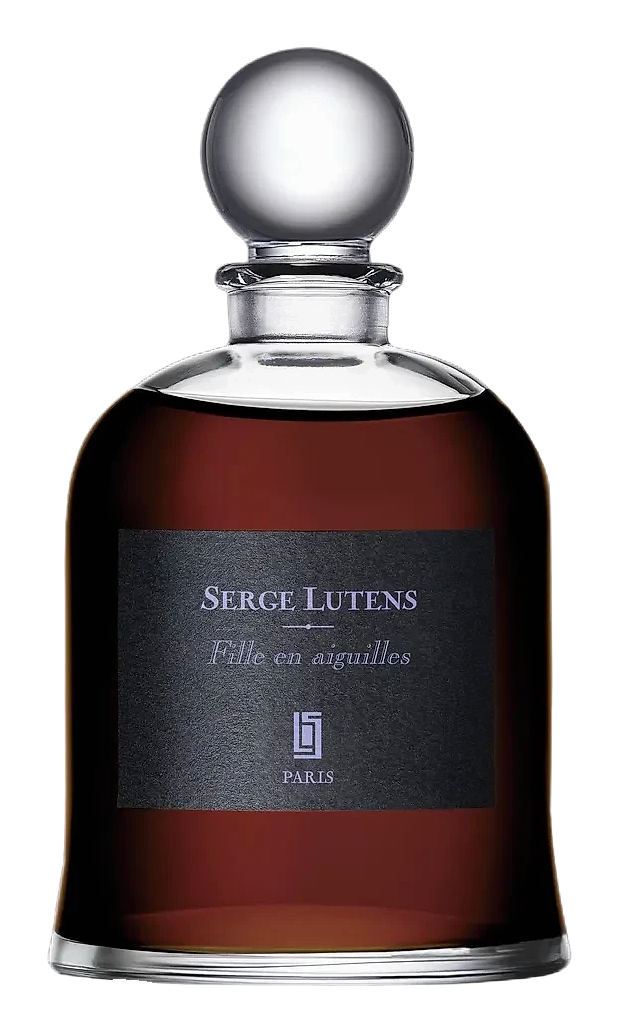
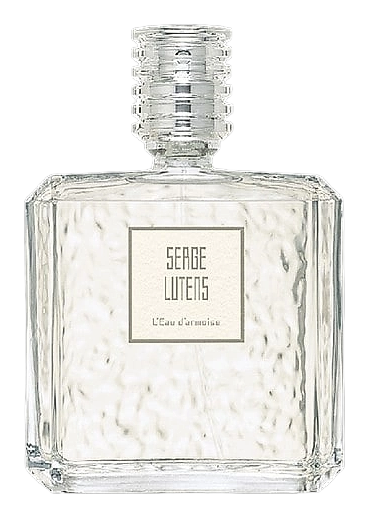
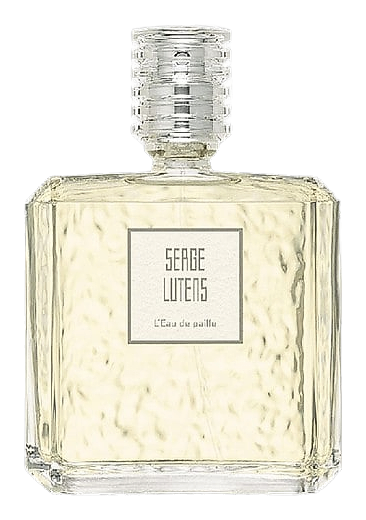
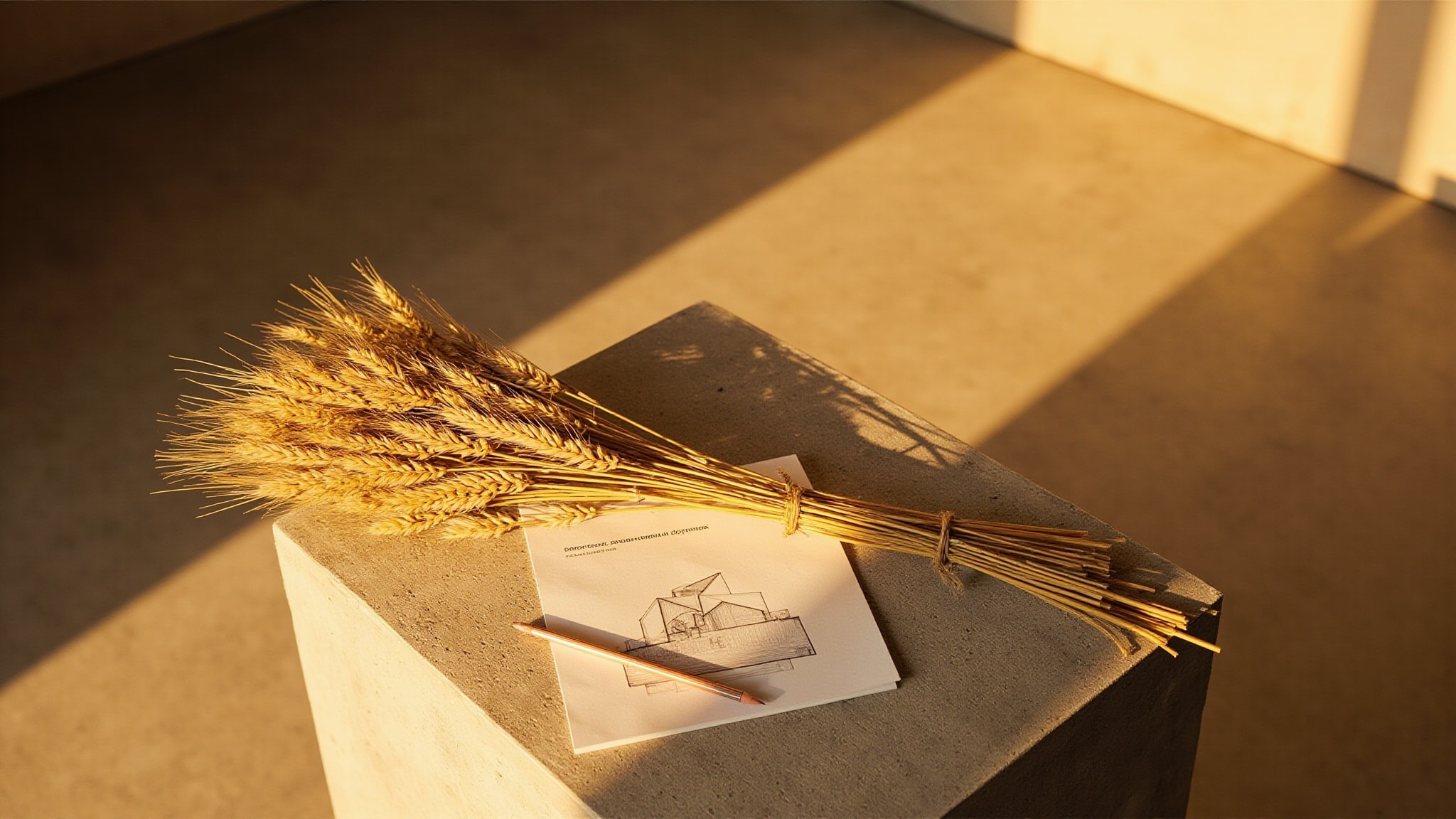
L'Eau de Paille arrived in 2019 from Christopher Sheldrake, Lutens' collaborator since 1992, and it reads like a quiet correction. The house built its reputation on dense, confrontational compositions, amber so thick it slows you down, florals that veer into territory most houses won't touch. This is different. Straw, vetiver, and a thread of incense. Dry where the others are heavy. The brand's own note describes it as an essence "for those who don't like to get wet", a reference to the stalks tangled in hair, the blond color of dried grain. It's Lutens stripped to something essential, asking whether restraint can carry the same weight as abundance.
What makes the composition unusual is its refusal to resolve into something comforting. Hay could smell like bedding, like animal warmth, like farm life rendered quaint. Instead, Sheldrake lets it stay mineral and dry, vetiver's earthy root cutting through any sweetness, incense providing smoke without warmth. The three notes don't build toward a crescendo. They exist in near-equilibrium, each holding the others back from becoming too much. It's less a pyramid than a plateau: flat, open, honest. The kind of structure that takes confidence to execute because there's nowhere to hide the materials.
The evolution
The opening arrives green and immediate, cut stems, fresh sap, the smell of something recently alive. Within minutes, the hay asserts itself, not sweet but warm, the way dry stalks smell when you crush them between your fingers. The vetiver anchors the middle act, earthy and slightly bitter, keeping the composition from floating away entirely. Incense appears last, a wisp of smoke that doesn't perform, just lingers at the edges. By hour three, you're left with something close to skin, grain dust, warm vetiver root, a ghost of the smoke. On fabric, the hay persists into the next day, fainter but still present, like the memory of a field after the combine has passed.
Cultural impact
L'Eau de Paille occupies an unusual position in the Lutens catalogue: it's the one most likely to be called accessible. Reviewers describe it as a departure from the rich, amber-forward compositions that made the house famous, green, gentle, light where others are heavy. Some see this as a flaw, noting it lacks the "wow" or unusual factor associated with the brand. Others appreciate exactly that quality: a Lutens for people who want the house's aesthetic without its intensity. The moderate sillage and intimate wear mean it rarely forces itself on a room, which suits certain wearers and frustrates others who prefer fragrances that announce themselves.