
The Story
Why it exists.
The beginning
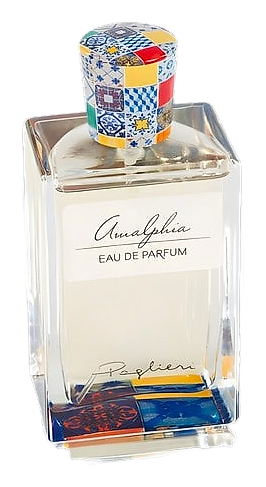
Amalphia is named for the Amalfi Coast, that stretch of Italian coastline where cliffs drop into cobalt water and the light has a particular warmth. The name carries that weight: Mediterranean sun, lemon groves, the smell of the sea meeting warm stone. In 2016, Paglieri tasked perfumers Henri Bergia and Eric Fracapane with translating that feeling into a bottle. The result is a fragrance that captures the quiet drama of coastal Italy, where stone walls hold the day's heat and the air carries salt and citrus in equal measure. It's a scent that lingers in memory the way a perfect afternoon by the water does, unhurried and distinctly itself.
The perfumers built Amalphia around a tension that defines great Italian fragrance: brightness that doesn't assault, warmth that doesn't suffocate. The citrus opening is generous, yuzu, bergamot, mandarin, grapefruit, but arrives clean rather than sweet. The heart shifts into something quieter: white tea and water lily bring a meditative quality, an almost aquatic stillness that separates this from the standard fresh-citrus crowd. Guatemala cardamom appears in some extractions, adding a quiet spice that bridges the florals to the base. It's an unusual move in a fragrance this restrained, and it gives the heart something to chew on.
The evolution
The opening arrives crisp and immediate, citrus oils hitting the skin with the clarity of cold air off water. Yuzu leads, backed by bergamot's sharper green note. The mandarin and grapefruit follow within minutes, adding sweetness and a slight bitterness that keeps things honest. By the time you reach the car, the florals are already taking over. White tea and water lily arrive together, carrying that slightly medicinal clarity that tea notes bring, clean, astringent, meditative. Lily of the valley adds its green, almost dewy character while rose sits quietly underneath, not performing. The drydown takes its time. Forty minutes in, the base begins to settle: musk and white cedar arriving soft and clean, amber lending a warmth that stays close to the skin. The woody notes don't project, they linger. The scent stays intimate, close, the kind that requires someone leaning in to notice.
Cultural impact
Amalphia represents Paglieri's modern interpretation of Mediterranean olfactory traditions. The fragrance entered a market increasingly saturated with mass-appealing synthetic compositions, offering a clean, natural-smelling citrus-floral option for those who appreciate understated perfumery. Its balance of yuzu with Italian green mandarin and white tea creates a distinctive character that bridges coastal Italian sensibility with contemporary fragrance sensibilities. The scent has found its audience among those who seek something beyond the obvious, a fragrance that rewards attention without demanding it.