The Story
Why it exists.
The beginning
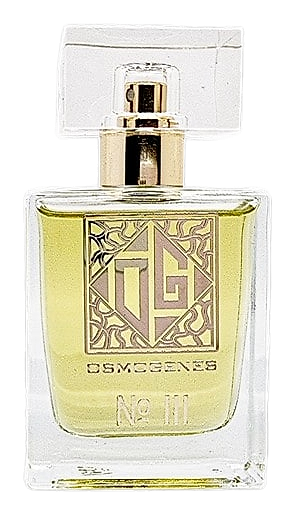
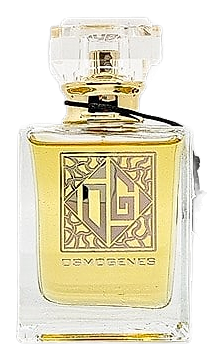
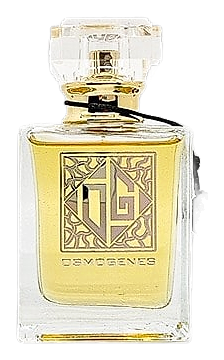
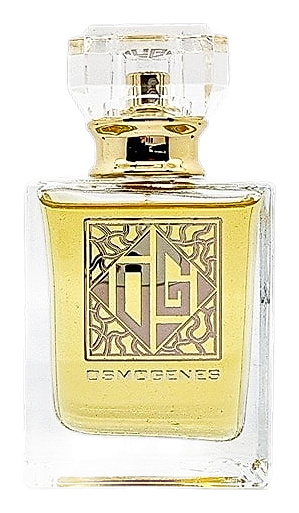
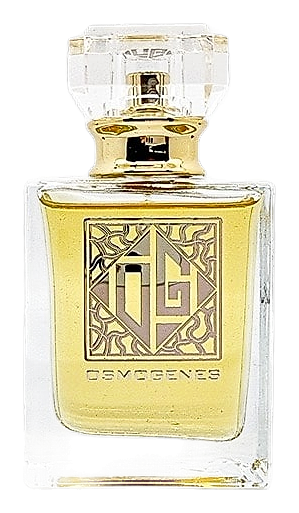
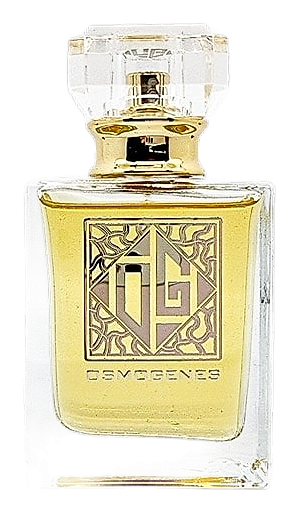
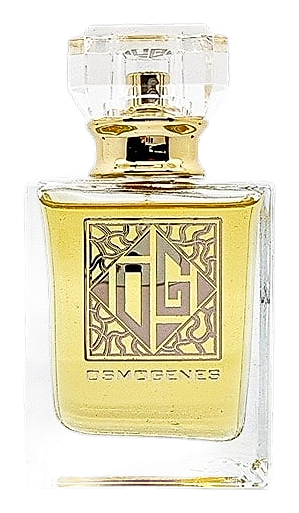
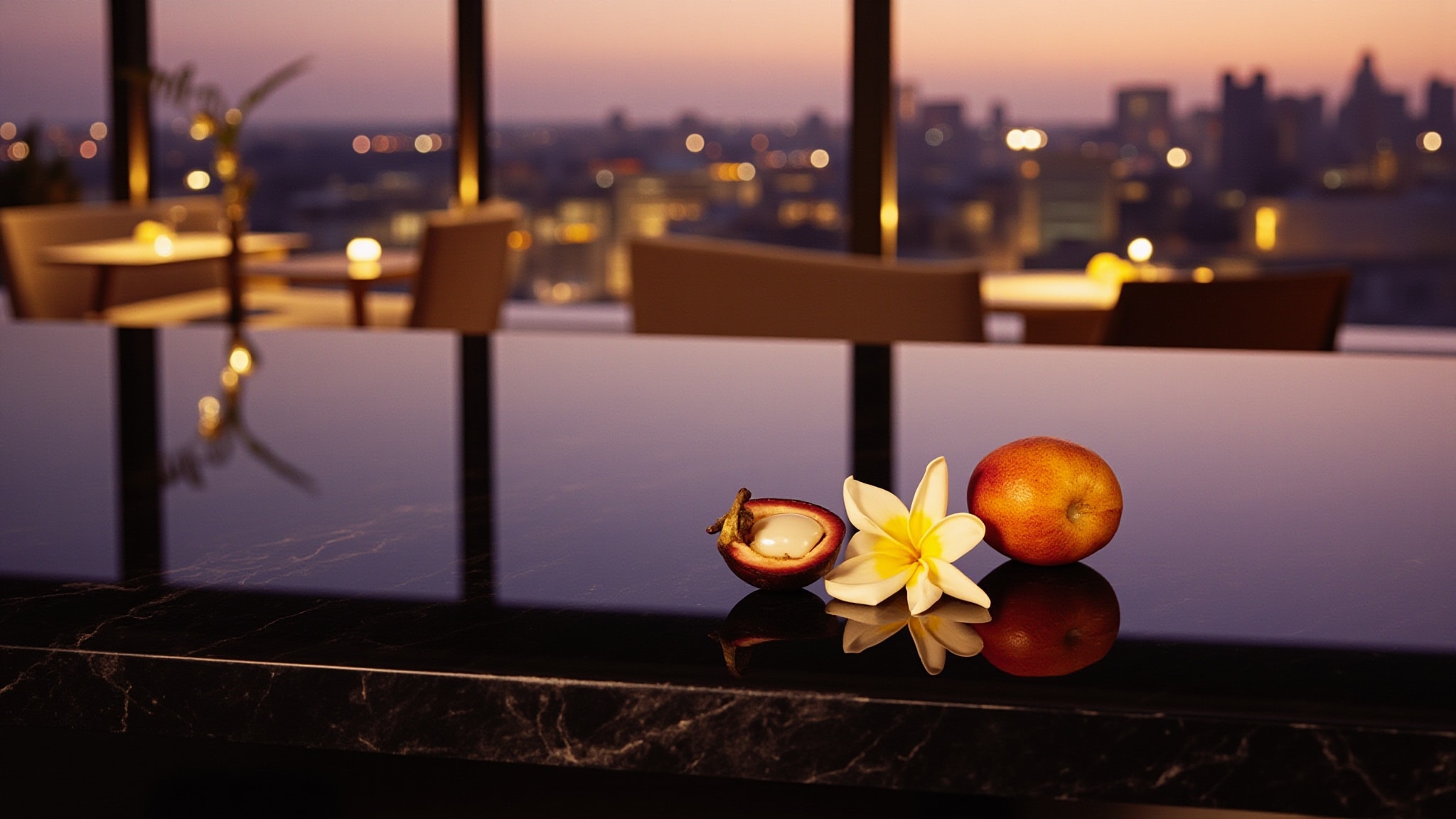
Paradise Flower arrived in 2019 from the studio of Olga Gosina, the perfumer behind OsmoGenes Perfumes. The Russian title, Райский цветок, carries the same meaning, a flower of paradise, and the bilingual naming is intentional. Every fragrance in the OsmoGenes catalog carries both languages, a signature gesture that positions the work between Eastern and Western fragrance traditions. Gosina composed this as a portrait of indulgence, the kind that arrives without guilt. The perfume reads as edible at first sniff. Peach, mangosteen, and star anise give it a fruit-stand immediacy, while ylang-ylang and frangipani thicken the center into something almost confectionary. It's tropical, but built with a Russian perfumer's instinct for structure. Nothing floats.
What sets Paradise Flower apart is the tension between its sweetness and its base. Choya Nakh, a traditional Indian distillate of fermented plum and sandalwood, appears in the heart, lending a leathery, boozy undertone that most tropical fragrances never touch. The base carries civet, the real animalic material, which means the perfume doesn't stay cute for long. Sandalwood and tonka bean smooth the landing, but that civet keeps the whole composition slightly feral. It's the difference between a fruit cocktail and a fruit cocktail served at a place with low lighting and a cover charge.
The evolution
The first ten minutes are pure fruit noise. Peach, mangosteen, orange, and a flicker of star anise that reads almost as licorice before dissolving. Then the floral weight arrives, frangipani and ylang-ylang laying down a creamy, almost sunscreen-like layer, with honey making everything gleam. Choya Nakh creeps in around the 45-minute mark, adding a plum-skin bitterness underneath the sweetness. This is where the perfume shifts identity, from pretty to present. By the two-hour mark the florals have receded and the base takes over: sandalwood cream, tonka bean's almond-vanilla warmth, vetiver's dry green edge, and that civet, which never fully leaves. It doesn't project far after the first hour, but the drydown stays on skin for the full 4-6 hour window, and on fabric the next morning you'll catch vanilla, fir balsam, and a trace of something musky that clings like warmth.
Cultural impact
Paradise Flower occupies an unusual corner of niche perfumery: a tropical floral with genuine animalic backbone, rather than the synthetic vanilla-coconut confections that dominate the genre. It speaks to the Russian niche tradition's willingness to embed provocative materials, real civet, fermented plum distillate, fir balsam, inside otherwise pretty compositions. Wearers who gravitate toward it tend to want their florals to have an edge, their sweetness to come with a pulse. It's a fragrance that doesn't apologize for being loud in the first ten minutes and intimate for the rest of the day.