
The Story
Why it exists.
The beginning
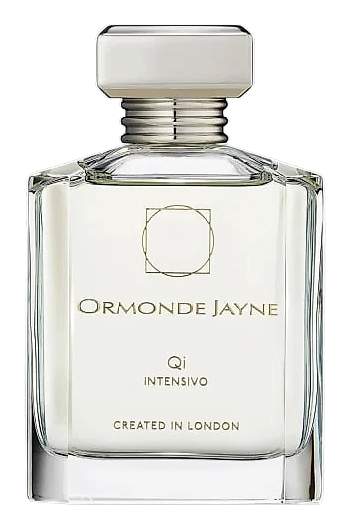
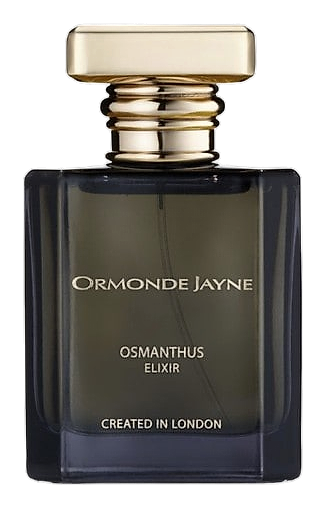
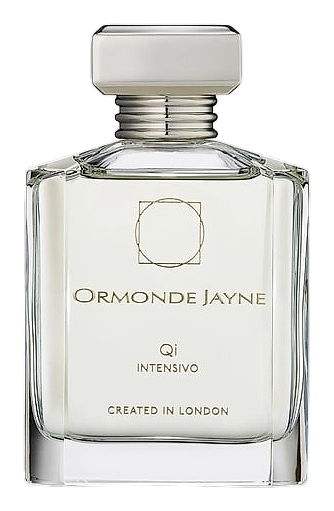
Qi was born from a journey east and a question Ormonde Jayne founder Linda Pilkington kept turning over: what does breath smell like? The answer arrived in the Chinese preference for the lightest, most delicate scents, the ones that don't announce themselves but somehow never leave. Geza Schön built the fragrance around that principle. No walls torn down. No grand statements. Just the honest exhale of something that knows exactly what it is.
The tea note is the tell. Mate and green tea work together here in a way that's harder to pull off than it looks, getting that slightly bitter, slightly mineral quality without tipping into astringency. The osmanthus absolute adds a peachy softness that keeps the whole thing from going medicinal. It's a composition that rewards patience. The restraint isn't an accident, it's the whole craft.
The evolution
The opening arrives bright and clean, lemon blossom hits first with a citrus sharpness that softens almost immediately as the freesia and neroli fold in. Thirty minutes in, the tea takes over. That's when Qi shifts from pleasant to something worth paying attention to. The mate note sits just beneath the surface, giving the floral heart a slightly bitter counterweight that keeps it from going sweet. By hour three, the moss and benzoin anchor everything into a quiet, skin-close warmth that lingers through the workday. What stays longest is the musk, not loud, just there, like a second skin you almost forget you're wearing.
Cultural impact
Qi occupies a specific space in the niche market, the fragrance for someone who wants personality without projection. It's the opposite of the statement scent. In a fragrance culture that often rewards boldness, Qi asks a different question: what if restraint is the whole point? Wearers who connect with it tend to be the ones who've moved past needing scent to announce them. They want it to complete a thought, not start one.