
The Story
Why it exists.
The beginning
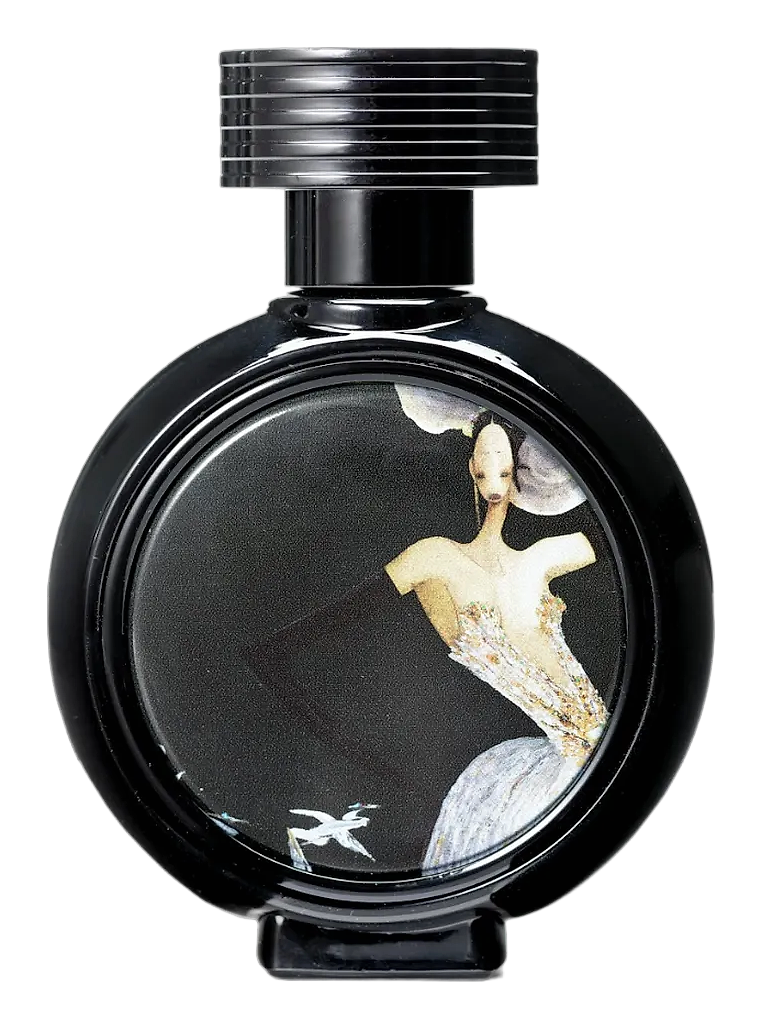
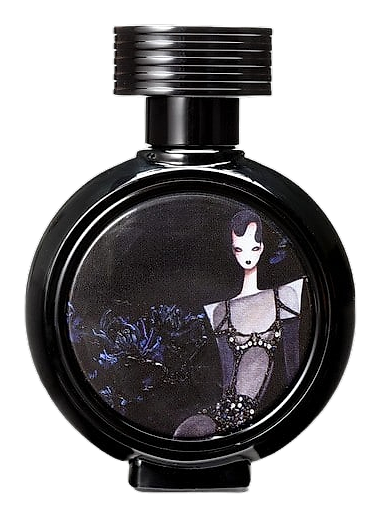
Closed Gate began as a question: what if mystery had a scent? Benoît Bergia wasn't interested in fragrance as announcement. He was interested in fragrance as encounter, the kind that only happens when someone crosses into your space, not when they announce themselves from across it. The gate became the metaphor. A barrier, yes. But one that opens from either side. The name came first, and from there the notes assembled themselves around that single image of threshold.
What makes Closed Gate unusual is the double appearance of labdanum, in the top notes and the base. Most fragrances use it once, as a fixative anchor. Here it bookends the composition, appearing fresh and almost sharp at the opening before settling into its deeper, stickier balsamic role in the drydown. The effect is a fragrance that tastes different depending on when you smell it. Early: green-resinous, tingly with Sichuan pepper. Late: warm, skin-like, quietly sweet. Same material, two different fragrances. That's not an accident. That's architecture.
The evolution
The Sichuan pepper announces itself first, a clean, bright tingle that sits just above the skin for the first twenty minutes. Then the labdanum arrives, turning the brightness into something thicker, more resinous. The green notes arrive mid-sequence, almost herbal, cutting through the sweetness before sandalwood smooths everything into cream. By hour three, the composition has shifted entirely. The pepper is gone. The green is gone. What's left is vanilla, musk, and labdanum, a warm, skin-close pulse that doesn't project so much as invite. On fabric, it lasts into the next day. On skin, eight to ten hours with moderate sillage throughout. The drydown is the payoff: quiet, intimate, and impossible to pin down.
Cultural impact
Closed Gate emerged in 2018 during a period of renewed interest in intimate, resin-forward compositions within the niche fragrance market. The Haute Fragrance Company's decision to launch a quieter, more restrained fragrance at this moment reflected a counter-trend against the blockbuster projection fragrances dominating the era. The fragrance's name itself, a gate that is closed rather than open, speaks to the introspective, personal nature of the scent, positioning it as a private experience rather than a public statement. Benoît Bergia and Vincent Ricord built their house on the philosophy of numbered, deliberate releases rather than seasonal excess, and Closed Gate exemplifies this curated approach.