The Story
Why it exists.
The beginning
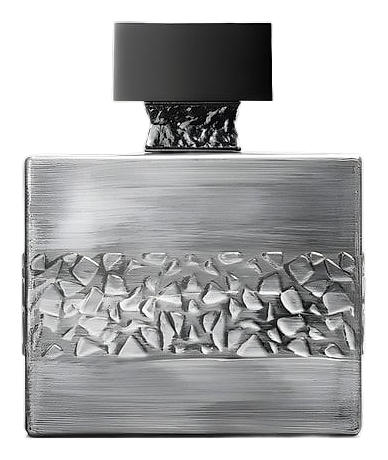
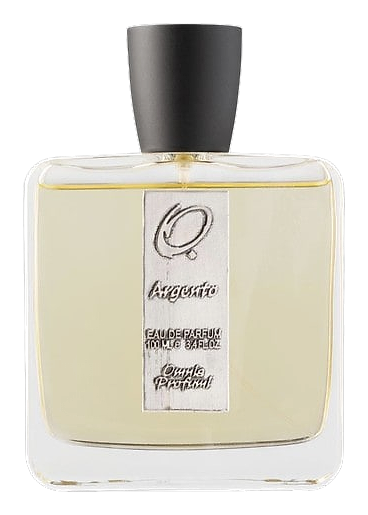
Argento launched in 2012 by Omnia Profumi, an Italian house founded by perfumer Fabrizio Tagliacarne. Argento, Italian for silver, was his interpretation of the metal itself, not its shine but its weight, its coolness, its quiet tensile strength. The bottle tells the same story: square, angular, set against the rounder, more bulbous silhouettes of the brand's other releases, as if the flacon itself had been struck from a sheet of sterling. This was perfumery as silversmithing, scent as a tactile substance you could almost hold in your hand. The composition leans into that material reading with a conviction that few fragrances attempt. Grapefruit's pithy bite, coriander's green pepper, and a cold flicker of something almost metallic open the scent with the chill of metal held against skin.
The choice to lead with ingredients that suggest cold metal and open air marks Argento as an exercise in translation. Tagliacarne didn't reach for obvious masculine codes. He translated a physical substance into olfactory terms, pairing grapefruit and coriander's bright astringency with frankincense, galbanum, and sage to suggest the patina, not the polish. Russian leather, clove, and nutmeg at the heart pull the composition into warmer territory, while the base leans on sandalwood, vetiver, patchouli, and amber to give the metal something to oxidize against.
The evolution
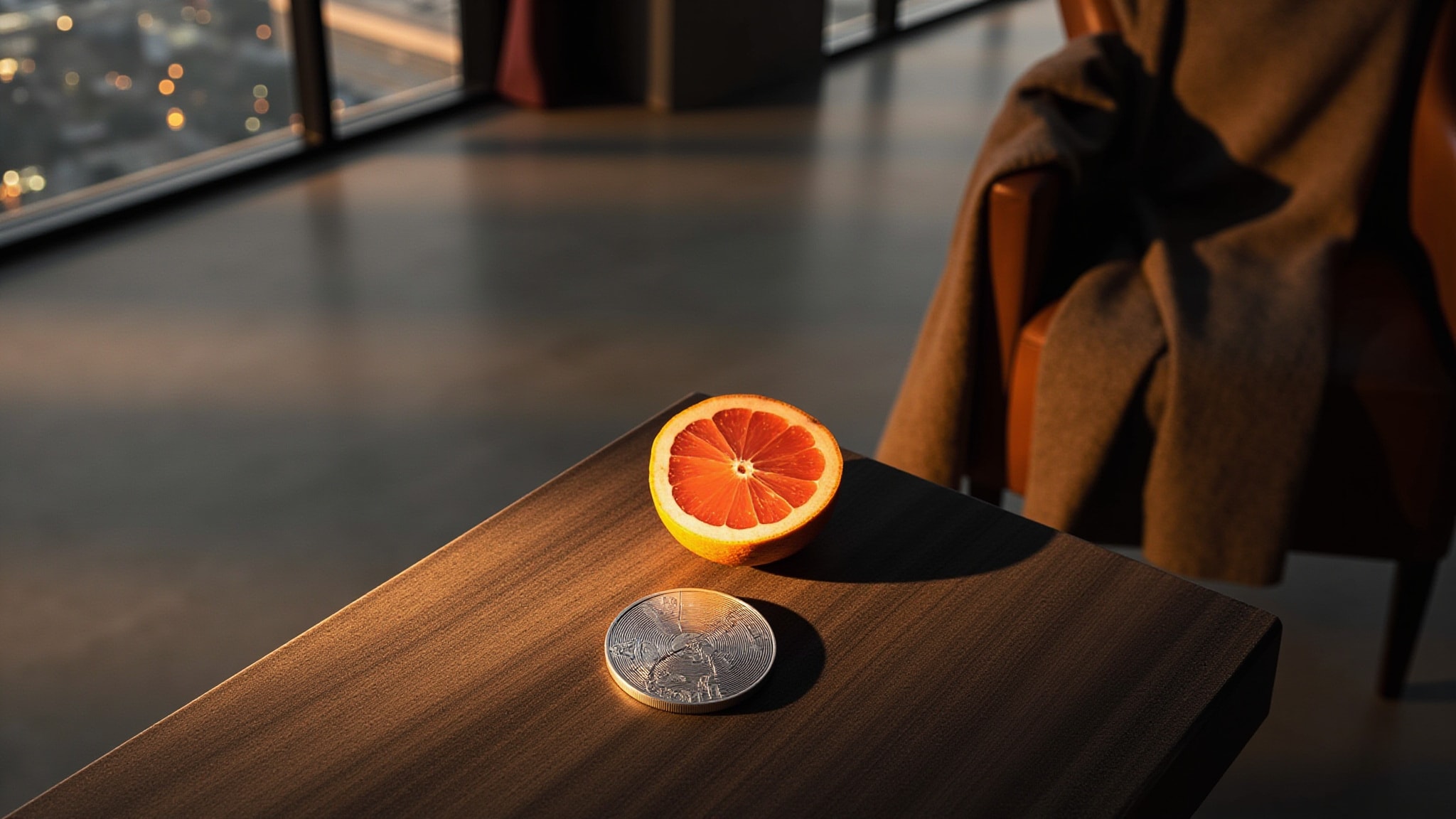
The first ten minutes belong to the cold snap. Grapefruit and tangerine hit sharp, laced with coriander and that strange ozonic-metallic flicker, like a coin held too long in a frozen palm. Geranium softens the edges just enough. Then the silver warms. Clove and nutmeg push through, frankincense smolders, and Russian leather arrives with its birch-tar weight, pulling the composition out of the citrus register and into something older, wood-paneled, library-still. The heart lingers longer than you'd expect, sage and galbanum keeping the aromatics sharp while the spices deepen. By hour four the drydown is doing the heavy lifting: sandalwood rounds things out, vetiver adds smoke, patchouli grounds, and amber settles everything into a warm, close-to-skin finish.
Cultural impact
Argento holds particular appeal for collectors drawn to compositions that emphasize structure and material presence over easy comfort or sentimental warmth. Its appeal is specific: the metallic ozonic opening either hooks you or doesn't, and the wearer who connects with it tends to be someone who values contrast, architectural clarity, and the interplay of cold and warm registers. The fragrance rewards attention, revealing different facets as it moves from the chilled opening through the spiced heart and into the resinous, wooded base.