
The Story
Why it exists.
The beginning
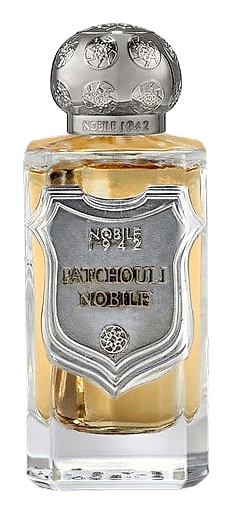
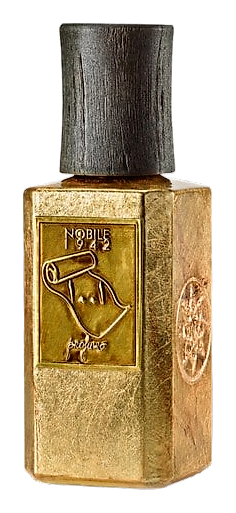
Patchouli Estratto arrived in 2011 from Nobile 1942. The Estratto is the concentrated expression of the house's Patchouli Nobile, and the choice of format matters here. This isn't an eau de parfum turned up a notch. The brief was straightforward: take patchouli seriously. Not as a supporting note, not as a background hum, but as the lead voice in a composition that treats it like it deserves the spotlight. What the Estratto does is commit to the note in a way most concentrations hesitate to. Patchouli has a reputation for playing second fiddle, for lurking in the base of fougères and orientals while brighter materials get the billing. Here it walks on alone, wrapped in just enough supporting structure to let its texture speak.
What's interesting is the structural decision. The citrus and frankincense appear, but they're scaffolding, not counterweight. Labdanum and tonka bean do the heavy lifting underneath, giving the patchouli somewhere rich to sink into rather than something to bounce against. The result is a composition that reads as patchouli from first spray to last breath, just at different temperatures. The opening is cold, almost mineral. The drydown is warm, resinous, almost edible. Same note, different rooms.
The evolution
The first fifteen minutes are deceptive. Lemon and frankincense cut through with a brightness that almost reads as a different fragrance, clean and slightly sharp, the white pepper adding a dry tickle at the edges. There's patchouli underneath, but it hasn't fully arrived yet. It feels like the overture before the curtain goes up. Then the handoff. Around the thirty-minute mark, the citrus thins and the patchouli climbs. The aged, slightly fermented version, deep and almost loamy. Labdanum and guaiac wood give it a resinous frame, and a thread of jasmine adds something unexpectedly soft, a floral warmth that keeps the earth from going cold. By hour three, the base has taken over completely. Oakmoss, tonka bean, sandalwood, and that second wave of patchouli blend into something warm and slightly sweet. The extrait concentration means this phase doesn't just arrive, it stays.
Cultural impact
Patchouli Estratto sits in a category that doesn't get discussed as often as it should: the patchouli composition where the note is the composition. Most fragrances that feature patchouli use it as one ingredient in a larger formula, a grounding presence beneath citrus or florals or woods. Here the structure is inverted. The Estratto format compounds that choice, taking a note that was already given lead billing and giving it even more space to develop. Luca Turin named Patchouli Nobile among ten noteworthy fragrances in a 2009 Sunday Times feature, and the Estratto carries that critical attention forward into its denser format.
The House
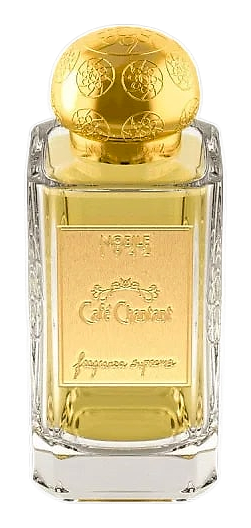
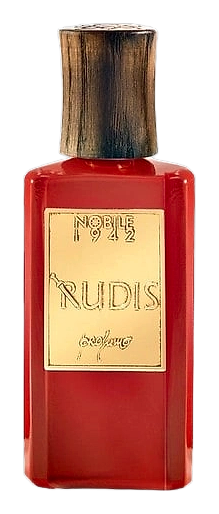
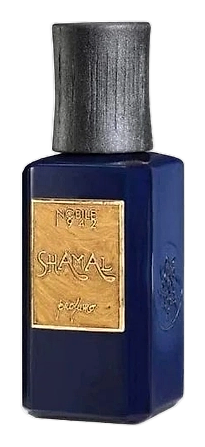
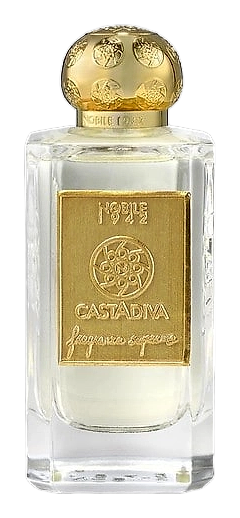
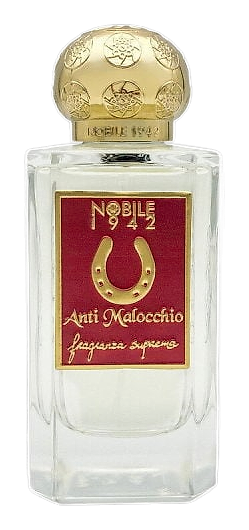
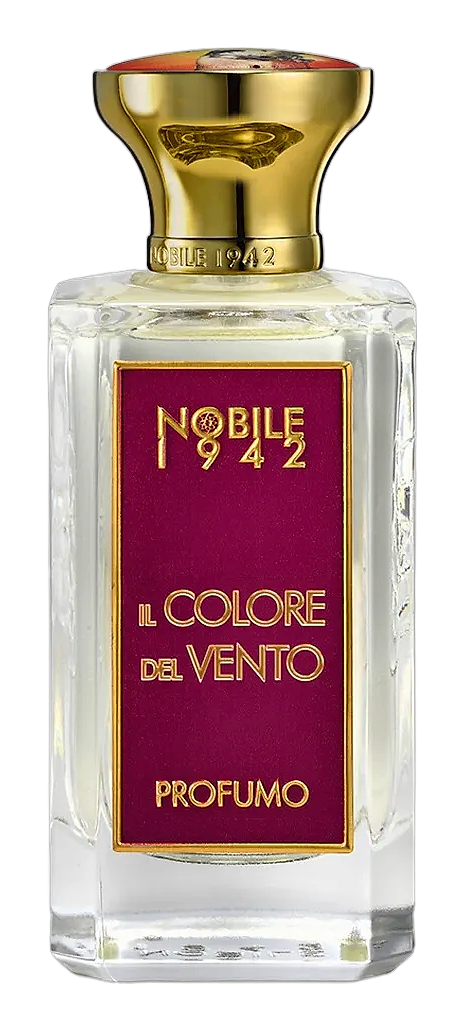
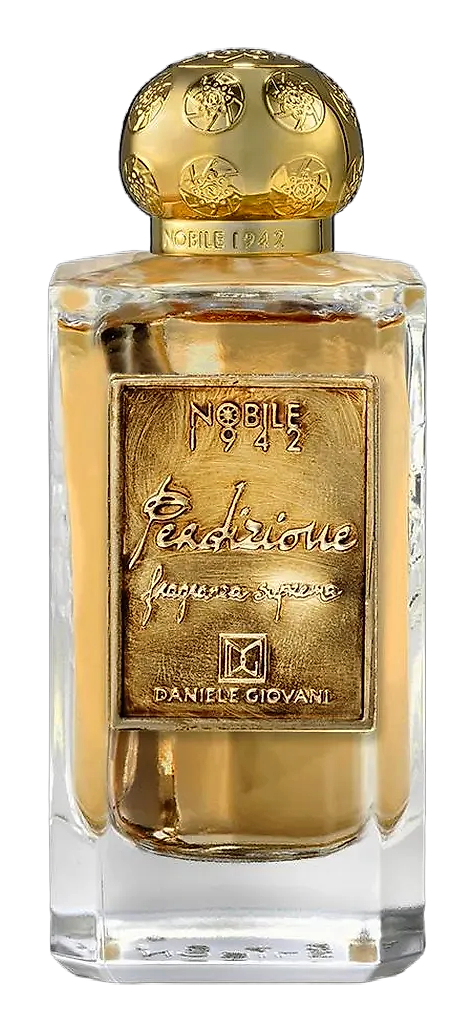
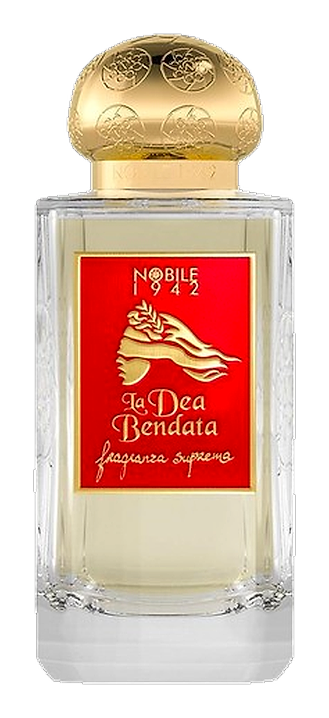
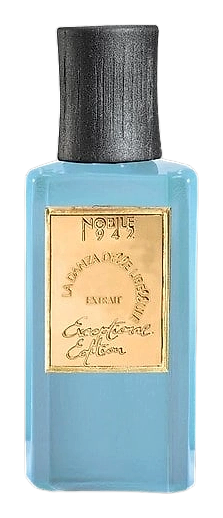
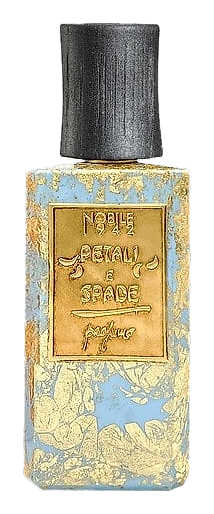
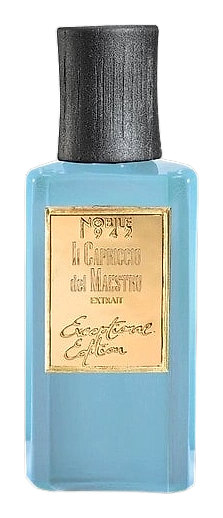
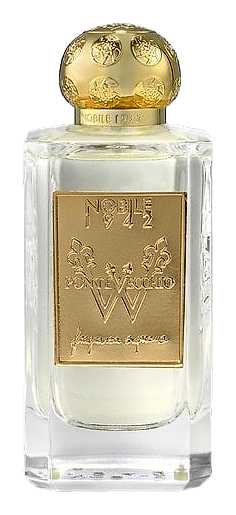
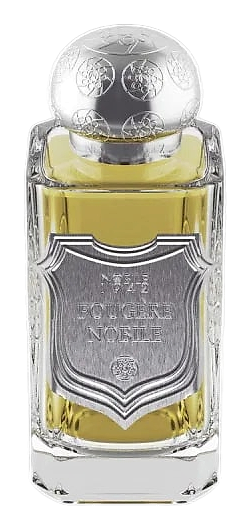
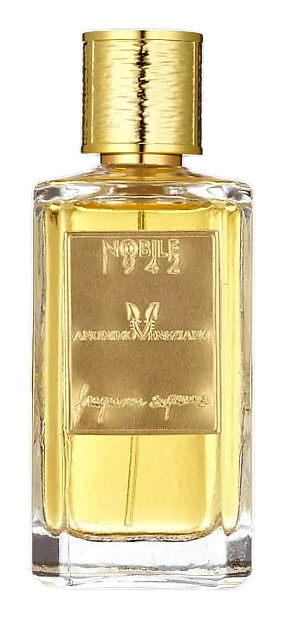
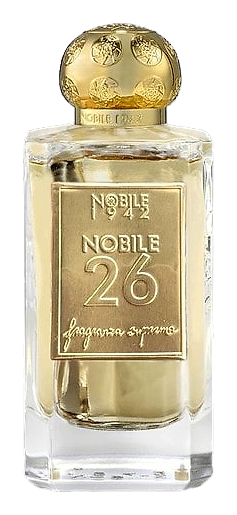
Nobile 1942Nobile 1942 is an Italian niche fragrance house based in Naples, founded around 2004-2005 by Massimo Nobile and his wife Stefania Giannino. The brand carries forward a family perfumery tradition dating back to 1942, when the Nobile family established their perfumery during wartime Italy. Now in its third generation, the house crafts small-batch fragrances that draw from classical Italian opera and theatrical traditions. Each fragrance carries an Italian title, reflecting the brand's commitment to expressing Italian cultural heritage through scent. The collection includes notable releases such as Profumo Imperiale (2010), Café Chantant Estratto (2012), and Il Capriccio del Maestro (2018), alongside several exceptional edition releases. Nobile 1942 positions itself as an alternative to mass-market fragrance production, emphasizing artisanal quality and familial continuity over commercial scale.
The Creator
Marie DuchêneMarie’s style leans toward naturalism, favoring botanical absolutes, fine woods, and delicate florals. She often begins with a single heart‑note—lavender, rose, or jasmine—then builds a supporting structure of citrus top notes and soft musks.