
The Story
Why it exists.
The beginning
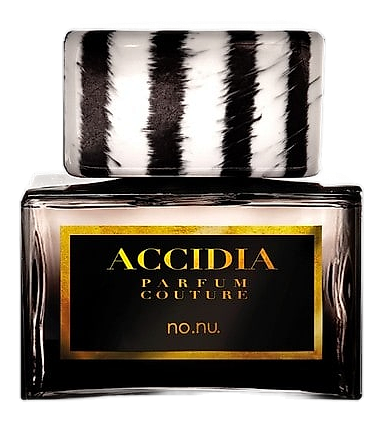
Accidia arrives as an enigmatic, oriental composition shaped by a contrast that gives it its pull: pungent notes meet enveloping ones, while darkness gives way to a reassuring glow. Pink pepper and black pepper establish the opening, but the heart moves toward incense, rose, cedar leaves, cypriol, and labdanum. That turn matters. What begins with a clean sting becomes something more magnetic, less obvious, and more like a state of mind than a simple scent. Pepper and ginger supply the initial flash, while styrax adds a dark resinous edge. As the composition settles, rose and incense bring a warmer, more human center. Oud, benzoin, amber, vanilla, and tolu balsam form a soft base around it, leaving a layered trail of spice, floral resin, wood, and sweetness.
Pepper and ginger bring the first flash, joined by styrax and its dark resinous edge. Rose and incense then move toward the center, bringing a softer, more human quality to the composition. Cedar leaves and cypriol add texture beside labdanum, which lends a warm, ambery presence. Beneath them, oud and benzoin deepen the structure, while amber, vanilla, and tolu balsam extend the softer side of the scent. Together, the notes shift from peppery heat to resinous warmth, then linger as a rounded trail of wood, floral, and sweet balsamic notes.
The evolution
Accidia starts with a clean, peppery snap. Black pepper and pink pepper make the first impression almost brisk, while ginger brings a lift of heat and styrax drops a glossy, resinous shadow underneath. As the opening softens, the composition turns toward rose, incense, cedar leaves, cypriol, and labdanum. Sharp pepper gradually gives way to floral warmth, resin, wood, and a softly spiced center. Oud and benzoin add depth, while amber, vanilla, and tolu balsam keep the later notes warm. As the bright edges fade, the fragrance leaves a dark floral-resin trail with layers of spice, wood, sweetness, and balsamic softness.
Cultural impact
Accidia can be discovered through its composition rather than a narrative built around it. Its progression from pepper and ginger into rose, incense, cedar leaves, cypriol, and labdanum reflects the idea that a fragrance can shift between contrasting textures and moods. Oud, benzoin, amber, vanilla, and tolu balsam extend that arc with depth and warmth. For those exploring niche perfumery, the scent offers a clear point of entry: familiar spice and floral materials moving together in an unfamiliar, atmospheric way.