The Story
Why it exists.
The beginning
The skies above Renaissance Italy held a particular blue, the kind found in the robes of the Virgin Mary. That color came from woad, a plant grown in Central Italy and cultivated with care for centuries. Così Blu translates its weight, the divinity, the stillness, the sense of something larger looking back. The fragrance is built around cool absinthe and warm incense, the sacred meeting the sensual in unexpected ways.
The note structure here is unusual. Absinthe opens cold and medicinal, green, almost sharp, before the warm spices arrive: cinnamon, nutmeg, cardamom. That inversion matters. The heart brings magnolia and jasmine, florals that carry weight rather than brightness. The base is where the quality shows: frankincense with smoky depth, sandalwood with creamy richness, and animalics, civet, castoreum, ambergris, that arrive quietly and refuse to leave. The composition has endurance, not just attention.
The evolution
The opening is absinthe. Cold, green, slightly bitter. It clears the air. Then the spices arrive, warm, almost edible, sliding against the cool opening like two different temperatures meeting on skin. The strawberry note adds a faint sweetness beneath the spice. Magnolia and rose take over, florals that carry weight. The frankincense builds in the background, adding smoke. The animalics begin their reveal. Civet, then castoreum, present, alive, not dirty but distinct. Vanilla and sandalwood round everything into something warm and close. On skin, it reads as intimate and persistent, present without overwhelming.
Cultural impact
Così Blu occupies a specific space in the niche fragrance world: the intersection of sacred and sensual. It reaches back toward something older, something that smells like churches and the particular blue used in Renaissance painting. The animalics, civet and castoreum, and heavy resin base generate discussion. Some find it too austere, others find it deeply addictive. That tension is part of the point. It's not for everyone, and it's not trying to be.
The House
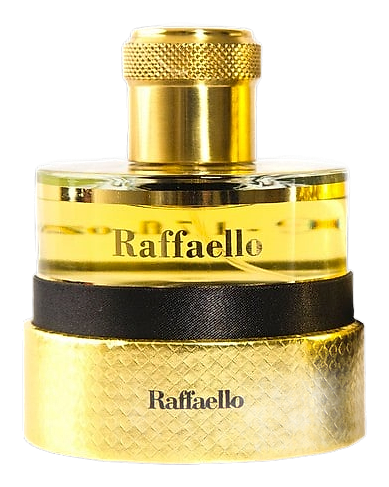
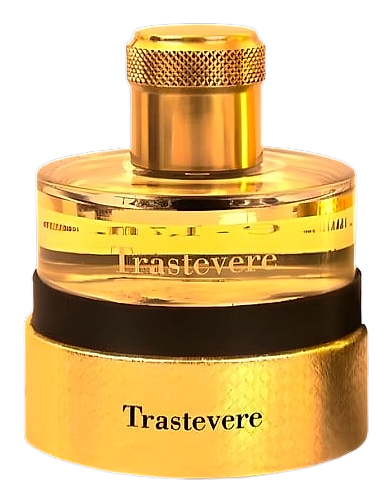
Pantheon RomaPantheon Roma is an Italian niche perfume house rooted in the historic heart of Rome. Founded by the perfumer Paolo Fadelli and now guided by his son Leone, the brand translates the city’s Renaissance art, architecture and street aromas into concentrated olfactory stories. Each fragrance is presented as an extrait‑style perfume, meaning the scent is built around a high proportion of pure aromatic ingredients. The line balances familiar Italian notes such as citrus, leather and amber with rarer materials sourced from traditional trade routes, creating scents that feel both timeless and immediate. Pantheon Roma positions itself as a family‑run atelier that respects the past while crafting modern, wearable narratives for discerning collectors.
The Creator
Arturetto LandiLandi favors a clean, linear construction that highlights a single theme before introducing supporting layers. He often begins with a bright top—Italian bergamot, Sicilian lemon, or Calabrian orange—then anchors the heart with aromatic herbs or soft florals.