



Heritage
A house, in its own words
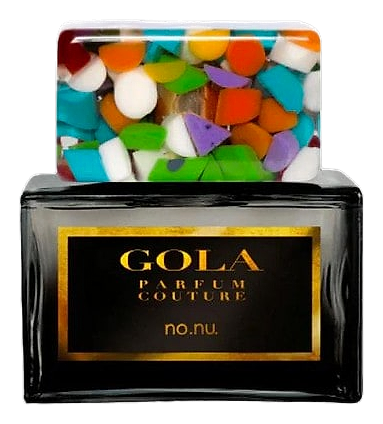
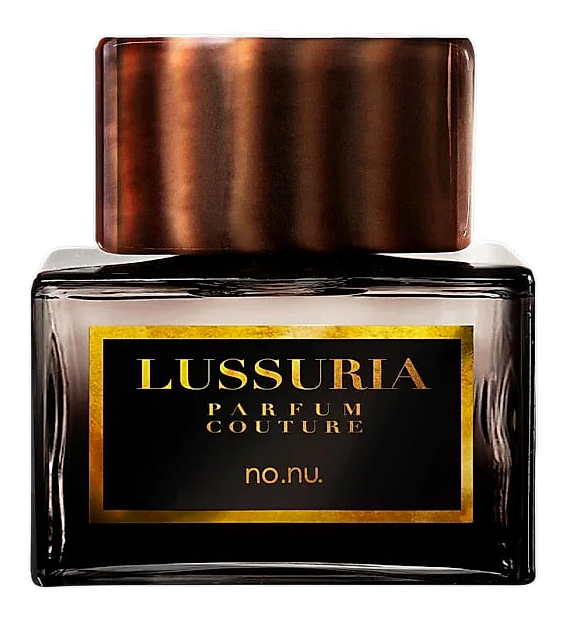
The origins of No.Nu remain largely undocumented in available sources. The brand appears to have emerged suddenly in 2024 with a complete seven-fragrance collection, a launch strategy that suggests either substantial pre-production development or a deliberate entrance into the niche fragrance market as a fully-formed concept. Unlike many independent fragrance houses that grow organically through individual fragrance releases, No.Nu entered the market with its entire thematic framework visible from the start. The choice of the seven deadly sins as a organizing principle draws on Western moral philosophy with roots in early Christian theology, later codified by Pope Gregory I in the sixth century. This framework has appeared in various artistic contexts, from literature to visual arts, but represents an unusual approach in contemporary perfumery where brands more commonly build identities around ingredients, emotions, or places. No information is available regarding whether No.Nu has any connection to established fragrance houses or operates as an independent venture. The brand name itself, No.Nu, offers no immediate etymological clue to its founders or geographic origins. No.Nu's creative vision centers on olfactory interpretations of moral transgression. The seven deadly sins framework provides a lens through which fragrance composition becomes narrative, with each scent representing not merely a smell but a psychological or spiritual state. This approach places the brand within a tradition of concept-driven perfumery where fragrance serves as a medium for exploring ideas beyond conventional hedonistic or cosmetic purposes. The Italian terminology for the sins suggests an aesthetic indebted to European literary and philosophical traditions, potentially appealing to consumers interested in perfumery as cultural commentary. Without disclosed perfumers, the creative process behind each composition remains opaque, leaving consumers to interpret the fragrances through the thematic titles provided. This interpretive gap may be intentional, positioning the brand experience around personal association rather than perfumer biography or marketing narrative. The simultaneous release of all seven fragrances creates a complete ethical landscape rather than asking consumers to engage serially with the collection.