
The Story
Why it exists.
The beginning
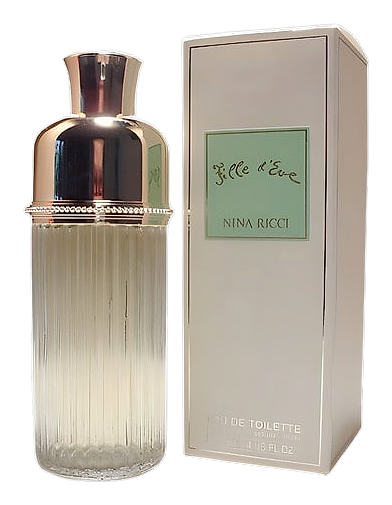
Fille d'Eve, Daughter of Eve, from perfumers Jacques Bercia and Michel Hy. The name alone carries weight: temptation, knowledge, the moment before everything changes. This wasn't a fragrance for little girls. It was for women who understood that innocence and knowingness could occupy the same space, the same skin. Bercia and Hy built it as a chypre, that most French of structures: bergamot and citrus to open, florals to enchant, moss and animalic base to anchor. The name suggested a story. The composition delivered it.
What makes Fille d'Eve unusual within the chypre tradition is the costus. This material, vegetal, earthy, faintly sweaty, sits in the base like a secret. Most modern chypres have softened their animalic edges. Fille d'Eve keeps its. The honeysuckle in the heart adds nectarous sweetness that could read girlish, but the plum conserve and clove spice push it somewhere more complex. Sugar and warmth. A garden that knows what it's doing.
The evolution
The bergamot arrives first, bright, golden, clean. The honeysuckle joins the composition, sweet and slightly heady, pulling it toward something ripe. The plum emerges as a middle note, rich and fruity, while clove adds a whisper of warmth. Costus appears: animalic, vegetal and close to skin, showing this isn't purely a floral. It settles into the drydown gradually. Oakmoss and leather emerge, softened by musk and amber. As the fragrance dries, the initial brightness gives way to deeper, earthier tones, the fruitiness mellowing into something richer. The warmth lingers, softened by the musk and amber until the final moments fade to a powdery memory.
Cultural impact
Fille d'Eve belongs to a lineage of chypres that defined serious women's fragrances. The costus note puts it closer to the vintage end of the spectrum, appreciated by those who understand what animalic means in a perfume context. Its fruit and animalic warmth give it an earthier, more grounded character than many of its contemporaries.