The Story
Why it exists.
The beginning
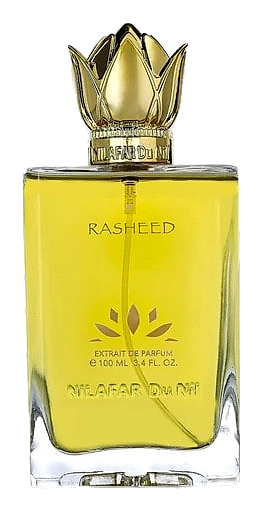
Rasheed arrived in 2025 from Dominique Ropion, a perfumer known for building tension through opposites rather than decoration. Here, raspberry and black pepper sit against leather, birch tar, and myrrh, creating a fragrance that feels less like a neat history lesson and more like a live conversation between polish and instinct. The heart adds rose, geranium, labdanum, and frankincense, giving the composition a green, resinous pulse before the woody base settles in.
The interesting part is the fruit-smoke combination. Raspberry supplies a bright, almost tart opening, while cypriol and black pepper sharpen it with mineral, peppery heat. The rose and geranium bring floral structure without making the composition sweet or traditionally pretty. Then leather, birch tar, myrrh, and sandalwood do the heavy lifting, turning the fragrance toward a resinous, smoky finish with enough grip to stay memorable.
The evolution
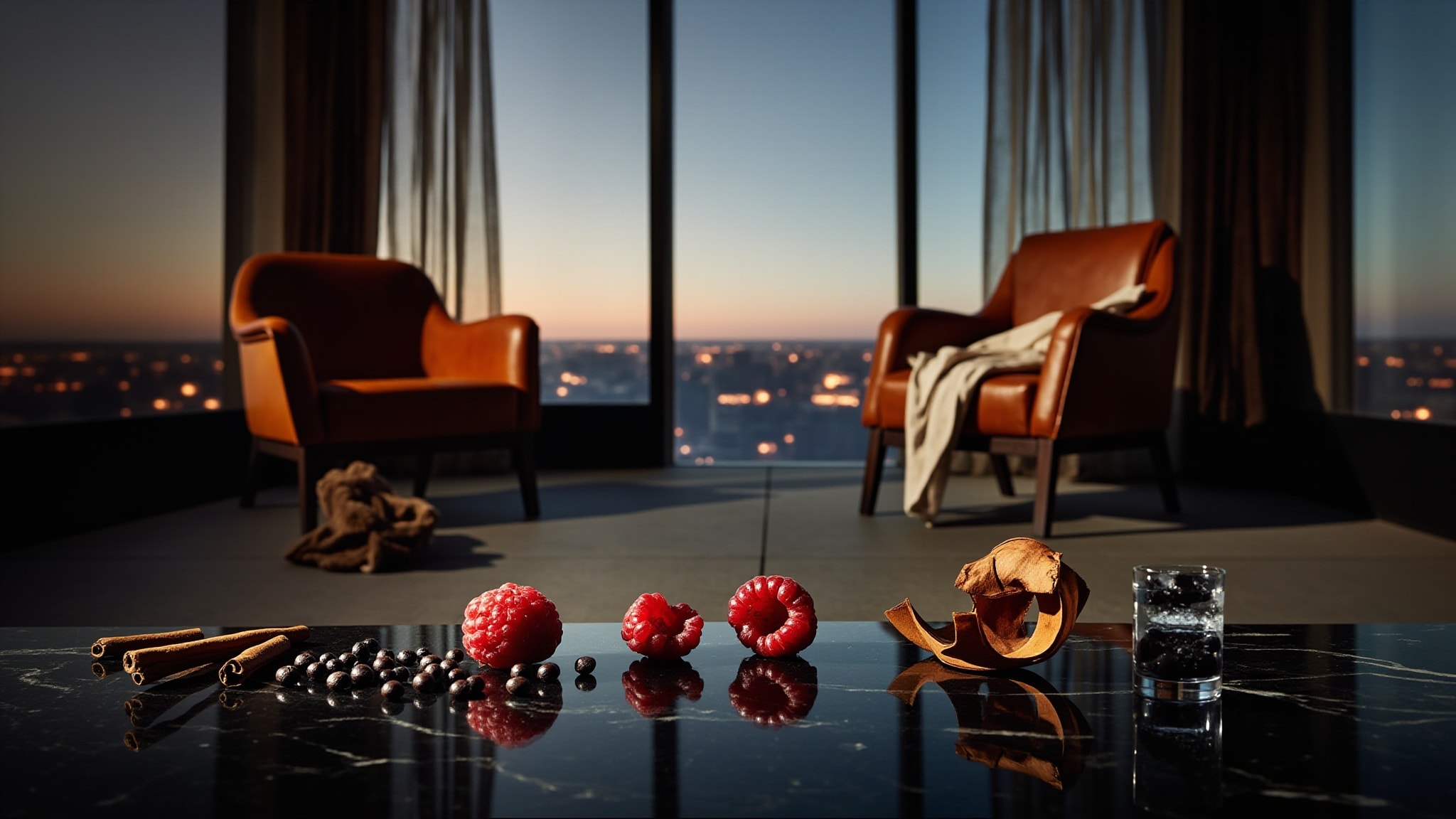
Rasheed begins with raspberry, black pepper, cinnamon, and cypriol arranged like sparks on dark metal. The fruit is immediately tempered by pepper and cypriol, so the opening feels lively rather than dessert-like. The cypriol adds a leathery, slightly bitter edge that keeps the sweetness honest, while the cinnamon threads warmth through the fruit without pushing it toward gourmand territory. As the heart arrives, rose and geranium soften the heat with a green floral lift, while labdanum and frankincense add resinous depth. The labdanum brings a sticky, amber-like warmth that grounds the florals, and the frankincense lends a cool, almost mentholated brightness that keeps the heart from feeling heavy. The base takes over gradually: leather becomes more tactile, birch tar brings a dry smoky edge, and myrrh settles into an earthy, incense-like warmth with sandalwood underneath.
Cultural impact
Rasheed arrives in the niche space as a woody-spicy composition that leans on ingredients with deep regional associations: leather, birch tar, myrrh, and cypriol all carry echoes of old-world smoke, incense, and the kind of scent that once filled temples and trade routes. Raspberry and rose at the top give it a modern brightness, but the heart and base pull firmly toward something older and heavier. The cypriol and myrrh together create an incense-like thread that runs through the entire wear, while the birch tar adds a dry, smoky character that feels deliberate rather than accidental.
The House
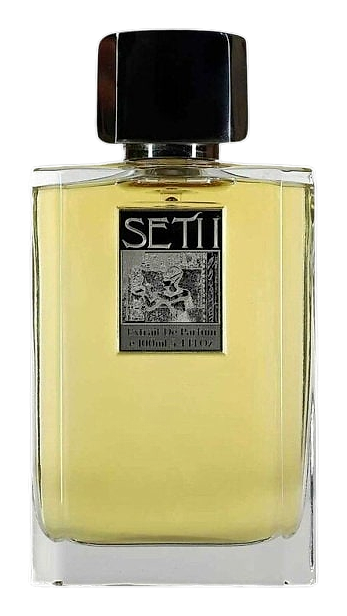
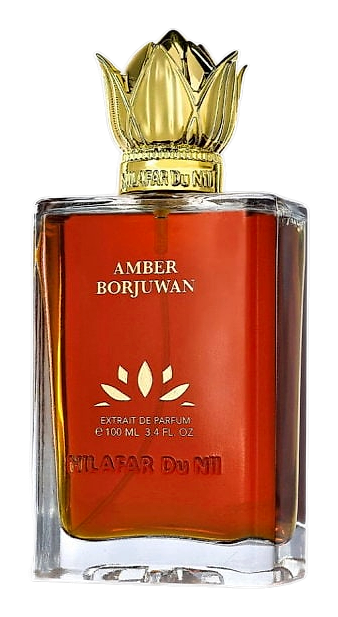
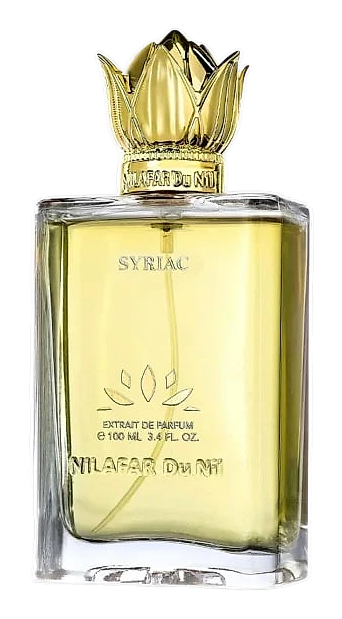
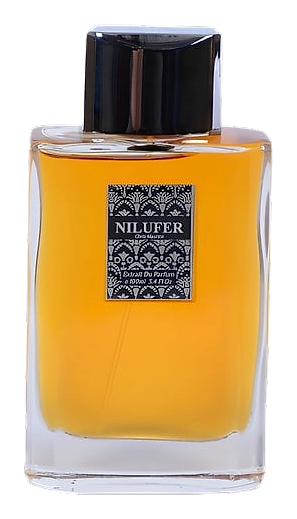
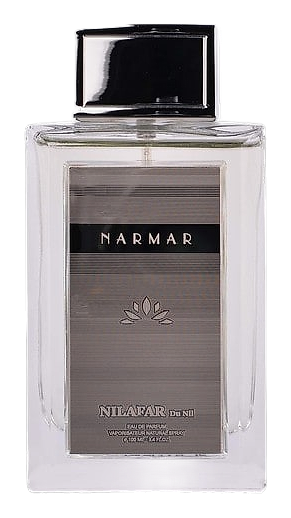
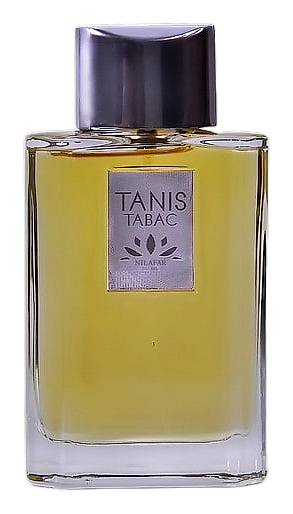
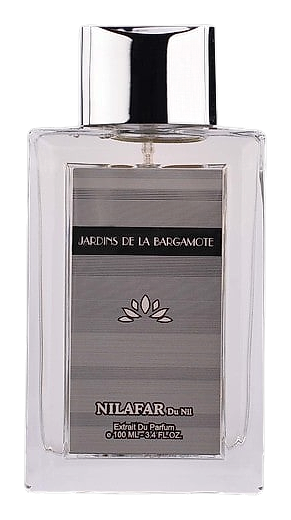
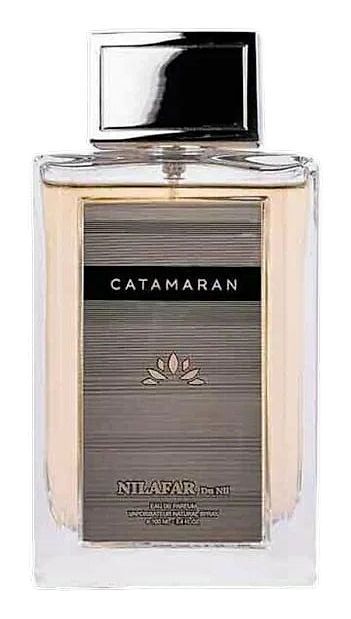
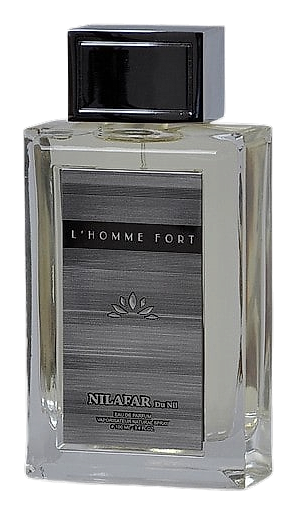
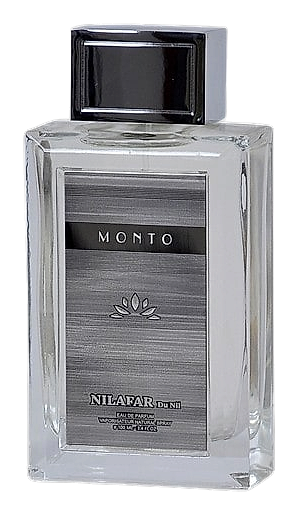
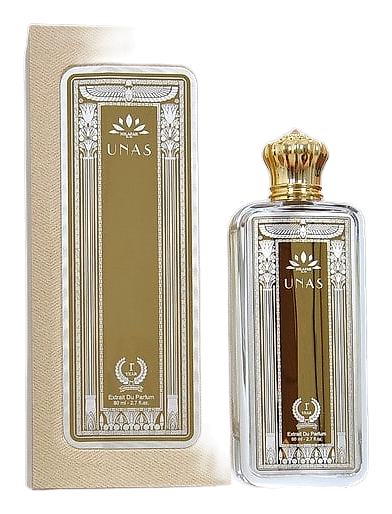
Nilafar du NilNilafar du Nil is a niche fragrance house founded in Cairo in November 2019 by AbdelFattah Nassar and Waseem Daaboul, operating under Syrian-Egyptian ownership. The brand draws its name from the Turkish word 'nilüfer,' meaning lotus, referencing the flower that held deep symbolic weight in ancient Egyptian culture as a symbol of rebirth and resilience. The house specializes in high-concentration extrait de parfum formulations, with a catalog that prominently features Egyptian historical and mythological themes. Fragrance names such as Trajan (referencing the Roman pharaoh of Egypt), Seti I, Narmar, and Unas point to a creative direction rooted in ancient Egyptian civilization. The house releases multiple new compositions annually, with recent additions including Amber Borjuwan, Rasheed, and Syriac in 2025, building on earlier work that produced signature scents like Zenia (2019), L'Homme Fort (2019), and Catamaran Parfum (2024).
The Creator
Dominique RopionDominique Ropion’s style is characterized by its opulence and sophistication. He's a master of layering and creating rich, complex accords.