The Story
Why it exists.
The beginning
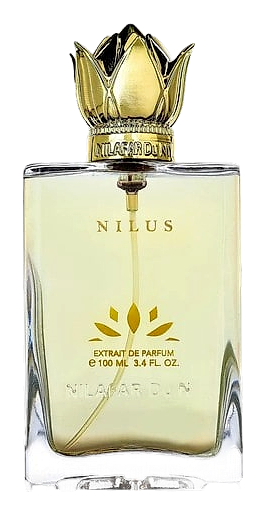
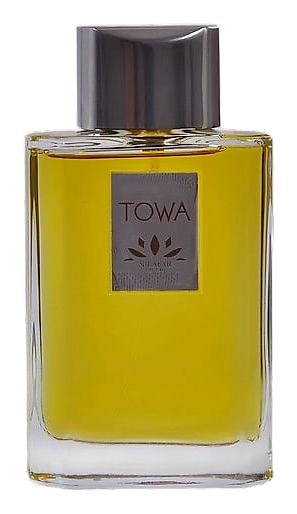
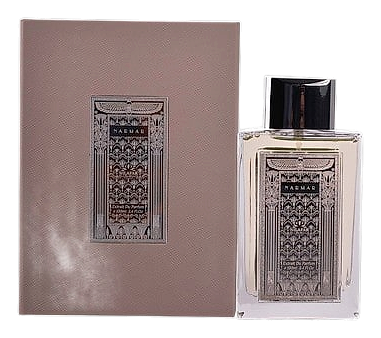
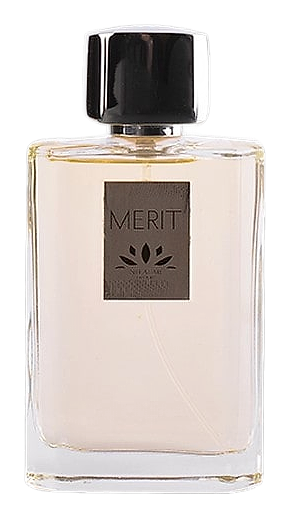
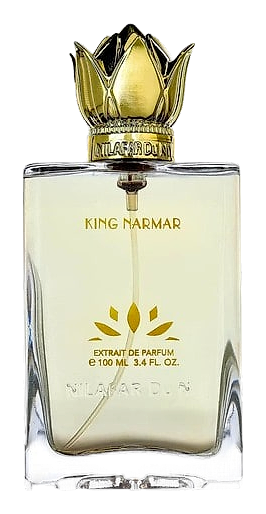
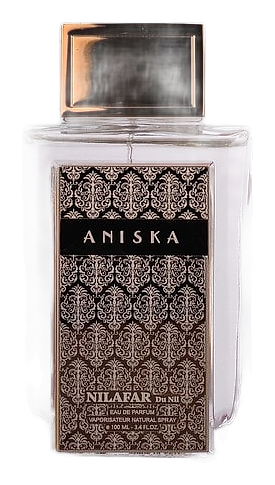
Aniska launched in 2021 as part of a young house whose catalogue gathers weight and ritual around them. The brand opens a conversation about lotus as a recurring motif in perfumery, a flower with deep symbolic charge in cultures across history, associated in many traditions with rebirth and the bloom that opens at dusk. From the early days, the house turned toward releases that use historical and mythological reference points, translating those ideas into contemporary extrait de parfum work with a clear point of view. Aniska sits in that catalogue as a fragrance built for a strong, confident woman who draws her strength from beauty and allure.
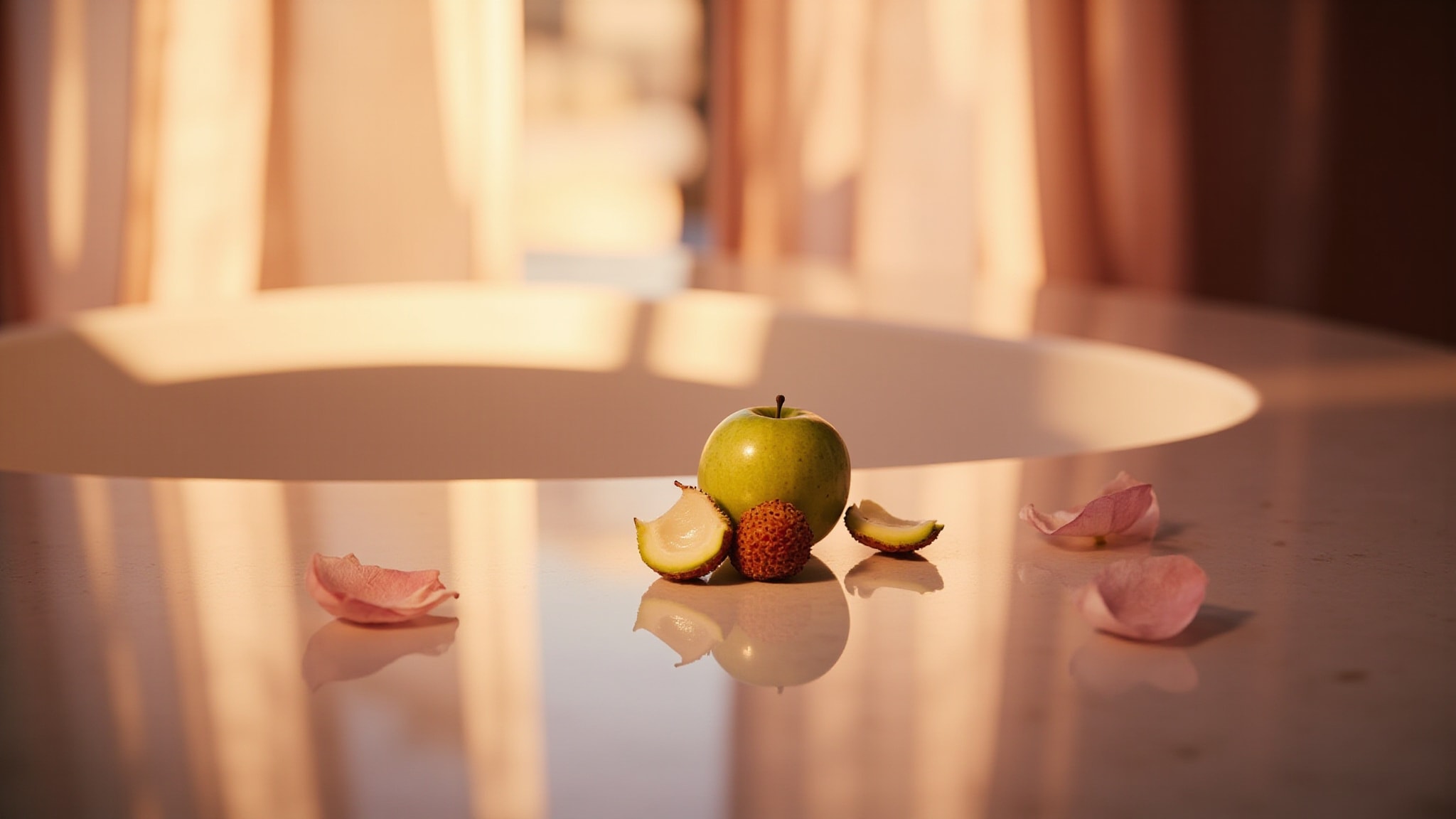
The interesting move here sits in the fruit-floral pairing, with green apple and lychee placed at the top, brightening the opening in a way that shapes everything that follows. They set a clarity that the jasmine and rose only deepen rather than dominate, with the indolic curl of jasmine and the velvety pull of rose weaving into each other rather than competing for attention. The floral heart has a softness to it, more of a hush than a shout, and that hush matters because it lets the fruit's initial snap linger in memory without feeling disconnected from what comes next.
The evolution
The green apple lands first, cold and almost tart, like a bite taken with the front teeth. Lychee arrives within minutes, wet and translucent, layering a syrupy sweetness underneath the sharpness. Orange pushes in for the first ten minutes as well, though it rarely stays long enough to register as a distinct note. Most of the opening feels like cold fruit juice on a warm day. Rose and jasmine take over around the 20-minute mark. The rose is full and rounded, more Turkish Delight than fresh-cut stem, and the jasmine sits just behind it, adding a soapy warmth without going indolic. This is the soft center of the fragrance, the part that earns its floral-fruity classification. The musk starts threading through by the end of the first hour, warming the florals from underneath. By hour three or four the sandalwood has settled. It is creamy rather than dry, and it carries the musk through the rest of the wear. The fruit is gone entirely, and the florals have faded to a faint creaminess.
Cultural impact
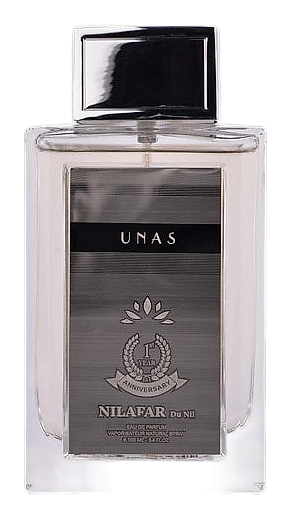
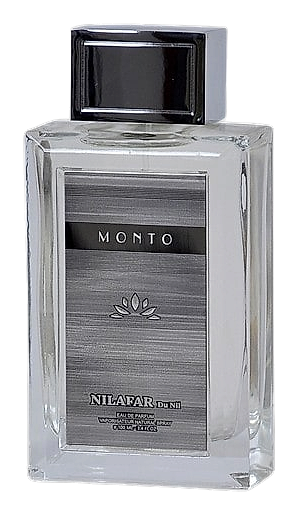
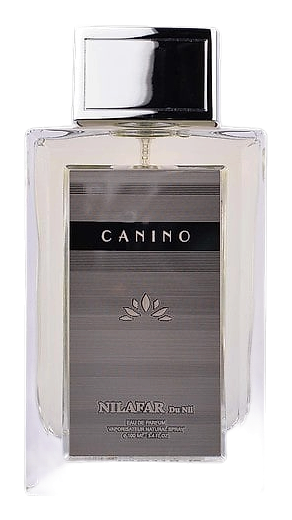
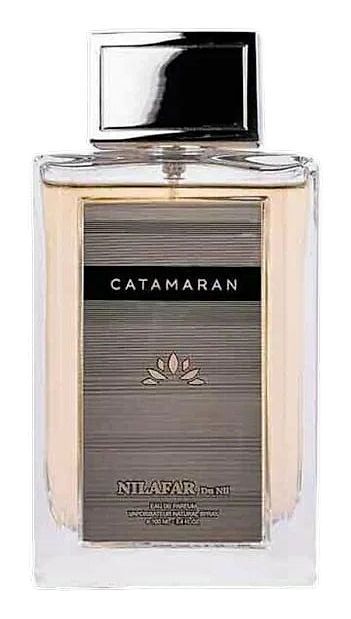
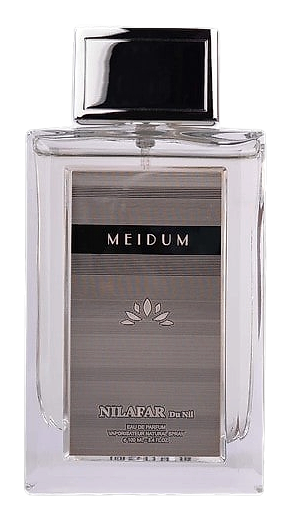
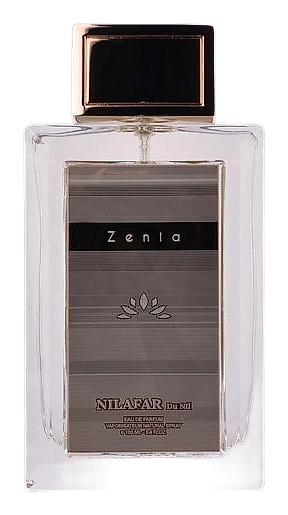
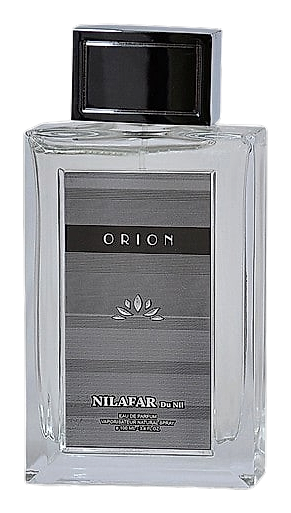
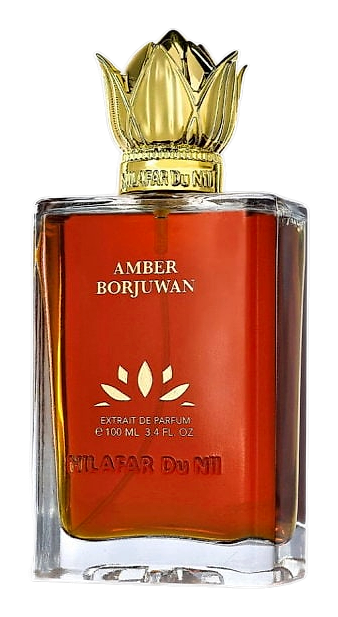
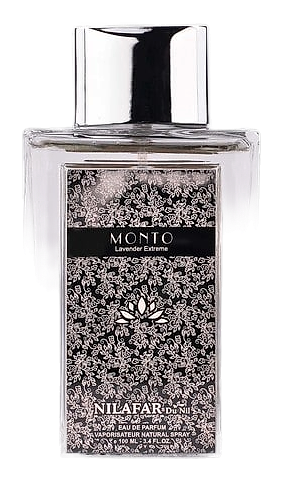
Aniska occupies an unusual position within the Nilafar du Nil catalogue. Where several siblings tilt toward heavier materials and darker palettes, Aniska turns toward a floral fruity register built around green apple, lychee, jasmine, and rose, with sandalwood and musk grounding the close. That structural choice gives it a different kind of presence: the bright fruit opening, the soft floral heart, and the creamy, skin-close drydown make it read as a composition designed for daily intimacy rather than theatrical projection.