The Story
Why it exists.
The beginning
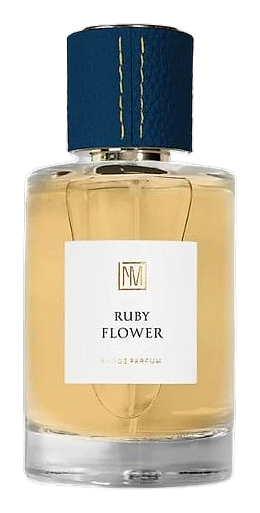
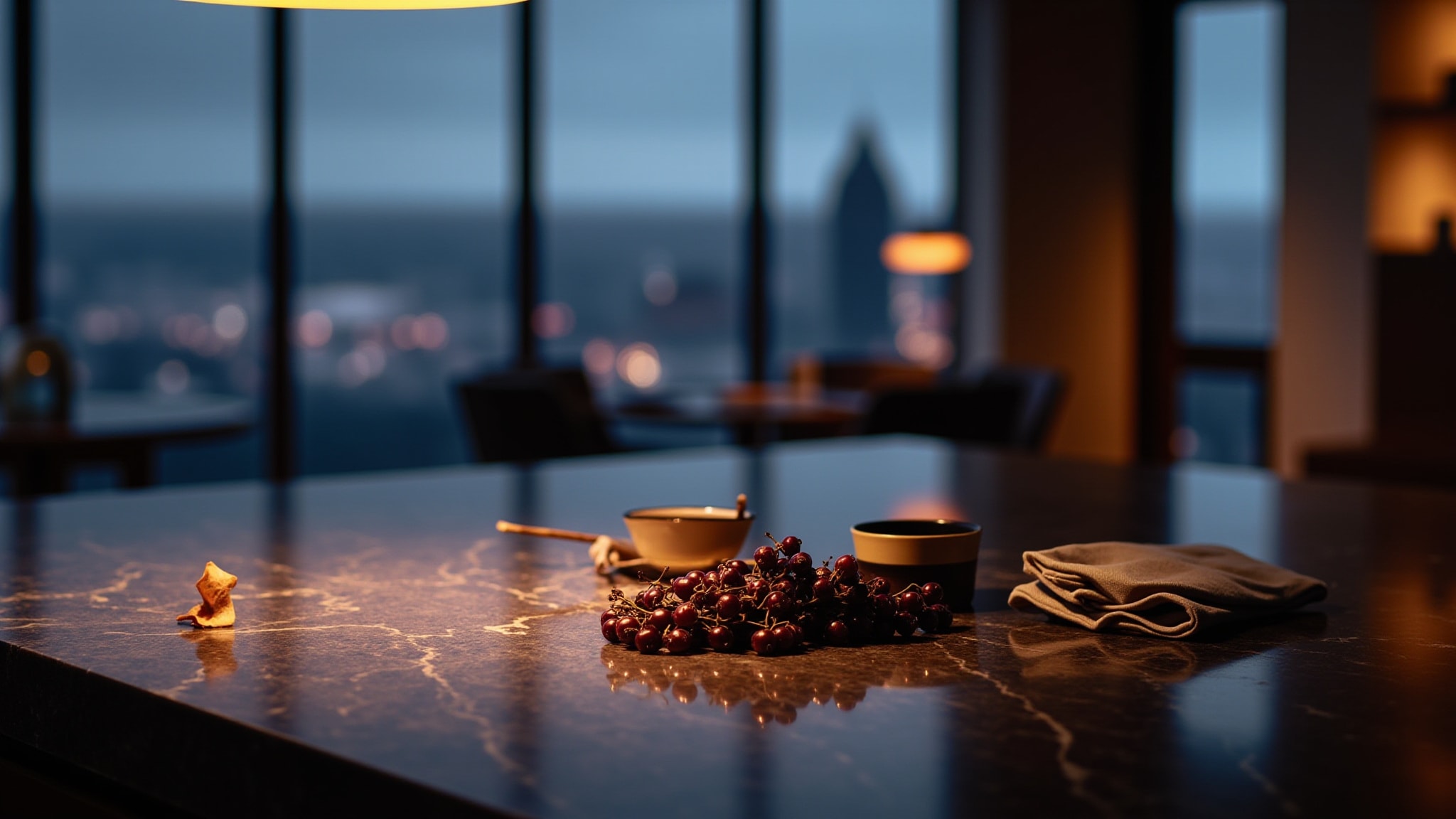
Ruby Flower is a composition of warmth and contrast, built from a small constellation of ingredients that reveal themselves slowly. Blackcurrant, vanilla, and red flowers rise from the blend like heat from sun-warmed stone, intense yet delicate. It is a landscape translated into scent, a study in what fragrance can hold when it resists trend and trusts its own instincts. There is a tension at the heart of Ruby Flower: austere and generous at the same time, stone by day and fire at sunset. It offers something warm without weight, sweet without surrender. The composition moves from tart fruit through resinous benzoin to a golden drydown where vanilla and cedarwood hold the structure.
What makes this composition interesting is the structural honesty of its warmth. Blackcurrant opens with a tart, almost wine-like brightness, the kind of fruit character that reads as fermented rather than fresh. Mandarin leaf gives the top a green, slightly bitter edge that keeps the sweetness from collapsing into something juvenile. Cinnamon arrives not as dessert spice but as dry heat, the kind that lingers in the air after a match is struck. The heart layers a red-floral abstraction over benzoin and vetiver, grounding the florals in earth. Tonka bean absolute bridges the middle and base, contributing a creamy, almond-like warmth that softens the resin without diluting it.
The evolution
The first thirty minutes belong to blackcurrant and cinnamon, sharp and warm at once, almost syrupy in their density. Mandarin leaf adds a green thread that prevents the opening from reading as gourmand. The scent announces itself clearly, but without shouting. By the forty-minute mark, the red florals begin to surface, veiled and indistinct, more an impression of petals than a named bloom. Benzoin thickens the air, and vetiver adds a cool, rooty counterweight. The composition settles into its heart phase with a resinous, slightly smoky character that feels warmer than the opening suggested. Tonka absolute drifts in around this time as well, pulling the edges toward cream and softening the transition between heart and base. The drydown is where Ruby Flower settles into its truest identity. Vanilla, amber, and Atlas cedar take over, and the cinnamon profile takes the edges off.
Cultural impact
Ruby Flower enters the current landscape of amber-floral orientals as a composition that prioritizes intimacy over projection. Its character leans warm with structure, sweetness tempered by resin, the kind of scent that feels chosen rather than applied. It sits comfortably among other compositions that value closeness over broadcast, fragrances designed to be discovered up close rather than announced across a room. What distinguishes Ruby Flower from many of its peers is the careful balance between fruit and spice, between the tartness of blackcurrant and the dry heat of cinnamon.