
The Story
Why it exists.
The beginning
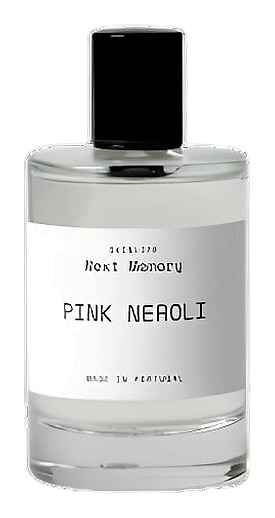
Pink Neroli arrived in 2020, created by perfumer Daniel Josier. The brief was to translate a specific kind of warmth into a bottle: the smell of an afternoon spent somewhere the air carries blossom. Josier built the composition around restraint, keeping it from disappearing into the air with enough structure underneath to anchor the neroli's clean, vegetal brightness. The result is neroli in its truest form, unembellished and direct. Pink Neroli emerged alongside other compositions from the same house, each rooted in a particular sensory moment rather than a marketing concept. Josier's approach here treats the flower as the main event, with every other element present only to keep that central character legible from the first spritz to the last trace on skin.
What defines this neroli is its refusal to dress the flower in sweetness. No sugar coating, no syrupy base trying to make the blossom last longer than nature intended. The leaves in the opening serve as a counterweight, pulling the composition back toward green and slightly bitter before the flower takes over. Beeswax and cedarwood at the base hold the whole thing close to skin without dragging it toward resinous heaviness. The composition is built on what neroli actually smells like, not what people want it to smell like.
The evolution
The first twenty minutes belong to bergamot and leaves, sharp and vegetal in a way that feels more garden than glass bottle. Then neroli arrives, and the composition softens into orange blossom joining it in that golden, slightly waxy territory the flower occupies in nature. There's a soapy undertone here that some will love and others will resist. As the hours pass, the florals recede. Beeswax takes the center, warm and waxy, almost like the inside of a honeycomb left out in the sun. The cedarwood grounds everything, woody without leaning masculine, dry without being austere. What remains is skin-close: a faint beeswax warmth, a trace of cedar, the memory of blossom hanging in the air long after the wearer has left the room.
Cultural impact
Pink Neroli has found its audience among wearers who treat fragrance as a private ritual rather than a social performance. The composition rewards attention, revealing more of itself the longer it sits on skin. In a category where neroli is often treated as a fleeting top note and forgotten, this one earns attention by letting the flower carry the entire structure. It's a neroli that believes in neroli, without apology or embellishment.