The Story
Why it exists.
The beginning
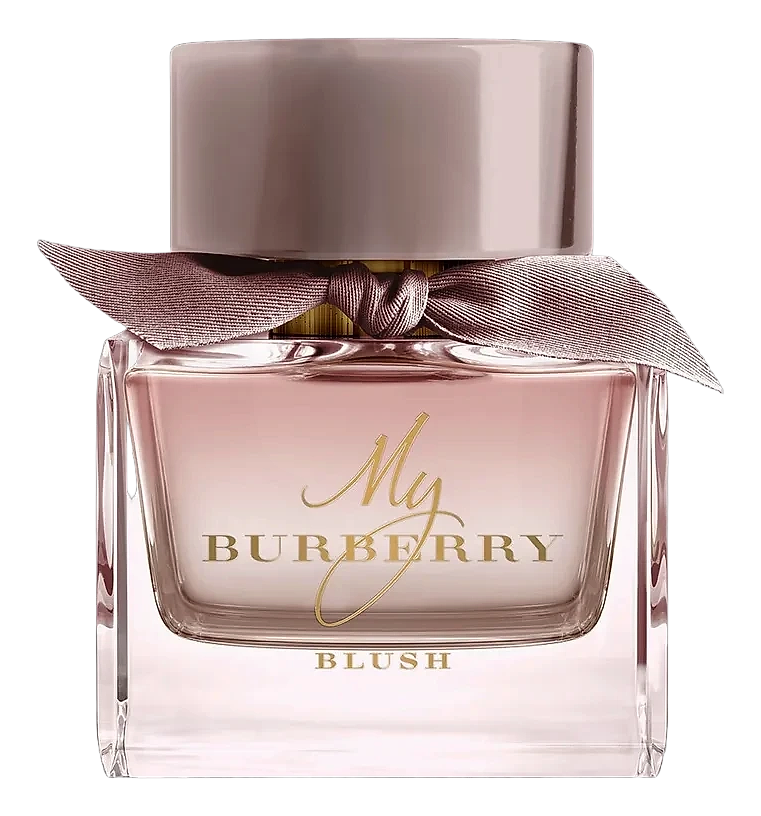
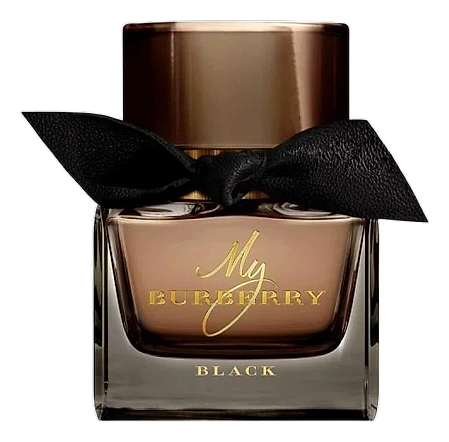
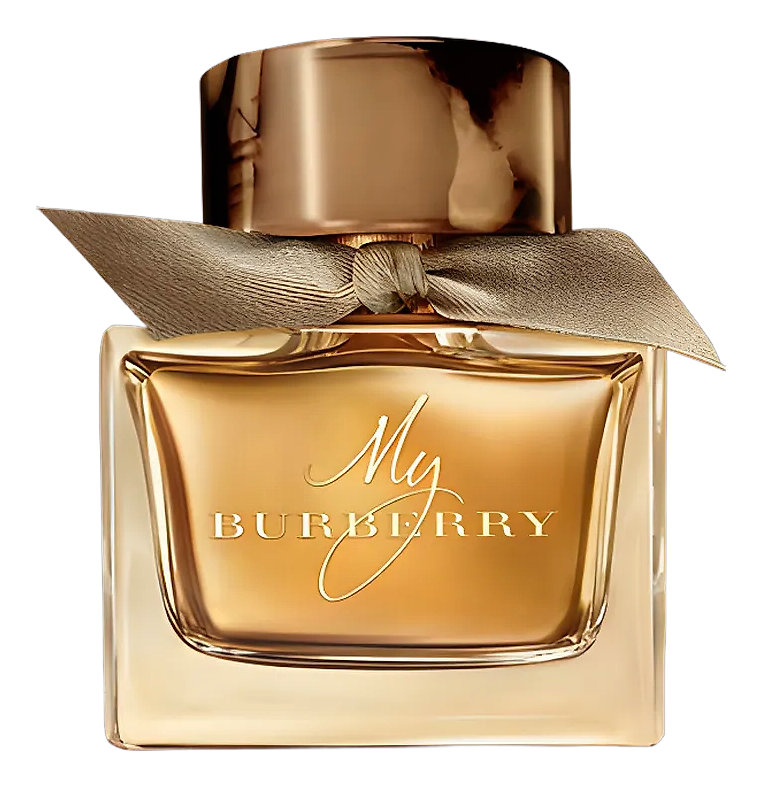
Francis Kurkdjian created My Burberry in 2014 as Burberry's flagship women's fragrance, a scent meant to translate the house's fashion identity into liquid form. The brief was specific: capture a London garden after the rain. Not a sunny garden, a wet one. The kind of green that only exists when water's just stopped falling and the air is full of it. That's the tension at the heart of this fragrance, and Kurkdjian built it from the ground up around that idea. The bottle reinforces it. Horn-finish cap echoing trench coat buttons, a hand-tied bow in English-woven gabardine, the same fabric Thomas Burberry invented to protect people from British weather. The fragrance is the other half of that story: what you smell when the coat comes off and you're standing in the garden it was made to shelter you from.
Sweet pea is the unexpected choice here. It doesn't produce actual perfumery oil, what's used is a recreated aromatic impression of crushed petals and dew-covered stems. This gives My Burberry's opening a green freshness that's harder to place than the usual bergamot or rose, which is exactly the point. The geranium leaf amplifies that effect, adding a faintly camphorated, herbal quality that makes the top feel aqueous rather than sweet. Together, these two notes create an impression of a garden that's still wet, still cool, still morning. It's a sophisticated move in a mainstream fragrance, bypassing the obvious to build an impression from materials that don't shout.
The evolution
The opening hits quickly, bergamot bright and citrus-clean, then sweet pea's green impression unfolds within minutes, giving the whole thing an aqueous, rain-washed quality. The bergamot doesn't linger. By the 15-minute mark it's receded and the geranium leaf takes over, extending that just-after-the-shower freshness like a garden that's still wet. The freesia keeps it cool, the quince threads in a subtle honeyed fruit that stops the green from going sharp. This middle phase is where My Burberry earns its name, it genuinely smells like standing in a London garden the morning after rain, that particular air where everything is damp and dewy and green. Around the 3-hour mark the base arrives. The damask rose is there, but it's not the loud, heady rose of other florals. It's warmer, deeper, grounded by patchouli that keeps the whole thing earth-forward and intimate. By hour 6-8, you're left with a quiet skin-scent: rose dried on skin, patchouli barely there, that singular freshness gone quiet like the moment after a storm has passed.
Cultural impact
My Burberry arrived in 2014 as one of Burberry's most strategically important fragrance launches, backed by the brand's largest coordinated campaign to date. Mario Testino photographed Kate Moss and Cara Delevingne for the campaign imagery, two figures who embody the brand's dual identity: heritage authority and defiant cool. The fragrance was positioned as a pillar of Burberry's beauty division, designed to carry the house's fashion identity into the luxury fragrance arena. Its concept, a London garden after rain, is a direct expression of the house's Britishness, translating the same cultural register that built the trench coat into something you wear on skin.