The Story
Why it exists.
The beginning
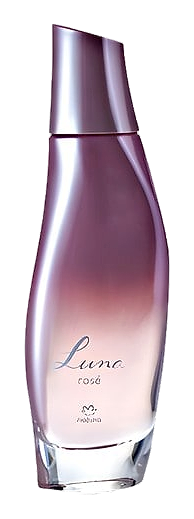
Verônica Kato designed Luna Rosé with a specific tension in mind, the idea that a rose doesn't have to be heavy to be lasting. Launched in 2015, the fragrance sits within Natura's broader tradition of botanical-forward compositions, but it moves differently than the house's earthier references. The name carries the duality: Luna, the cool precision of the moon, and Rosé, the warmth and color of the flower. Kato worked within that contrast from the start, building an opening that sparkles before the rose arrives, so that when it does, it feels like a reveal rather than an assumption. The goal was never a rose that shouts. It was a rose that stays.
The note structure itself is what makes Luna Rosé interesting. Six top notes, citrus, pink pepper, green, aquatic, create an opening that's unusually complex for a fresh-floral. Most fragrances in this category lean on two or three top notes and call it done. Here, the pink pepper adds a subtle spice that keeps the citrus from feeling generic, and the aquatic notes create a cool, almost translucent quality that makes the rose heart feel like it's emerging through morning mist rather than sitting on top of it. The base expands the same way. Cashmeran adds a velvety softness that bridges the florals to the woods.
The evolution
The opening hits immediately. Bergamot and Sicilian lemon create a burst that's bright and clean, the kind that makes people turn their head before they've figured out why. Pink pepper adds a gentle sparkle that cuts through the sweetness without adding heat. The green notes and aquatic elements arrive within minutes, shifting the character from pure citrus to something cooler, almost mineral, the smell of dew on petals, not the petals themselves. Mandarin orange softens the edges. By the thirty-minute mark, the citrus begins to recede and the heart takes over. This is where the rose earns its place. It doesn't dominate. It layers, rose first, then peony adding body, then violet and lily of the valley and jasmine building the quiet complexity of a bouquet that was arranged by someone who knows what they're doing. The green and aquatic notes don't disappear. They stay underneath, a cool foundation that keeps the florals from going heavy. Peony adds a powdery softness that works beautifully with the musk and cashmeran arriving in the base.
Cultural impact
Launched in 2015 by Natura, one of Brazil's largest cosmetics and fragrance houses, Luna Rosé arrived during a period when the regional fragrance market was gaining international recognition. As a Brazilian mass-market release with a sophisticated floral-aquatic structure, it represented a bridge between accessible everyday wear and more nuanced perfumery. The fragrance's success helped cement Natura's reputation as a serious player in the Latin American fragrance landscape, while its rose-and-citrus composition reflected a broader trend toward fresh, gender-neutral florals that dominated the mid-2010s. The 2015 launch also coincided with growing consumer interest in fragrances that offered complexity without intimidation.