The Story
Why it exists.
The beginning
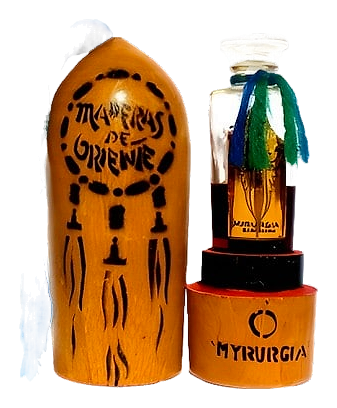
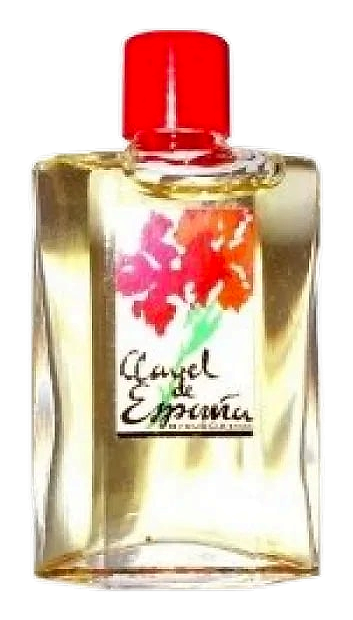
Clavel de España arrived in 1936 from Myrurgia, described in period references as Spain's leading perfumer house. The name translates plainly: Carnation of Spain. The Spanish carnation, with its dense, clove-like fragrance rising from the petals, has a depth that goes beyond what most people associate with cut flowers at all. Myrurgia built the composition around that single bloom, which is why Clavel de España reads as a soliflore rather than a carnation-flanked floral. The fragrance treats the carnation not as an accent note tucked into a bouquet but as the entire architecture of the scent, letting the spicy warmth of the flower's natural clove character carry the composition from opening to drydown.
What's unusual here is the discipline. Clove tops the pyramid, carnation anchors the heart, and the base leans on benzoin, amber, sandalwood, and vanilla. Nothing competes with the carnation. The spice at the top doesn't shout because it's the same spice compound that gives the flower its warmth. Myrurgia understood that a soliflore only works when the supporting notes echo the lead rather than fight it.
The evolution
The first ten minutes are a clove burn, warm and almost resinous, more like a kitchen at midnight than a perfume. Then the carnation arrives and the composition finds its center. It stays there for hours, that creamy-spicy floral that smells less like a bouquet and more like crushed petals between warm fingers. The base emerges slowly, benzoin giving it a syrupy edge, sandalwood softening the edges, amber and vanilla rounding everything into something that reads warmer than it did at the start. The longevity is notable, a real presence on skin that refuses to thin out into a polite whisper hours later. The drydown the next morning is a faint benzoin-vanilla trace, the kind of ghost scent you catch when you lift your wrist to your nose without thinking.
Cultural impact
Clavel de España sits in a small category of vintage soliflores that treat a single flower with the seriousness of an extrait composition. It does something rare in fragrance: it commits entirely to the carnation as a protagonist rather than an accent, building the entire architecture around the spicy, creamy, slightly peppery character of the bloom. The fragrance rewards attention, revealing more of itself the longer it sits on skin, the carnation slowly warming and softening while the base notes emerge to give it depth.