The Story
Why it exists.
The beginning
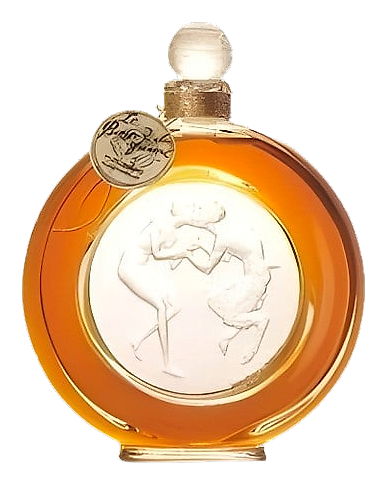
Le Baiser du Faune, the Kiss of the Faun, arrived in 1929 from Molinard, and the flacon was the collaboration that made history. René Lalique designed the bottle, a piece of glasswork that has become inseparable from the scent's identity. The design drew on Lalique's sculptural sensibility, turning the container itself into an object worthy of display long after the juice was gone. It was later named the most beautiful perfume bottle in the world at the 1939 New York World's Fair. The scent itself, however, was discontinued, making surviving bottles a quiet hunt for collectors who care about the era when perfume was art object first. The name itself carries mythology into the bottle, evoking the faun of classical lore, that ancient figure of forest and mischief, of pursuit and tenderness.
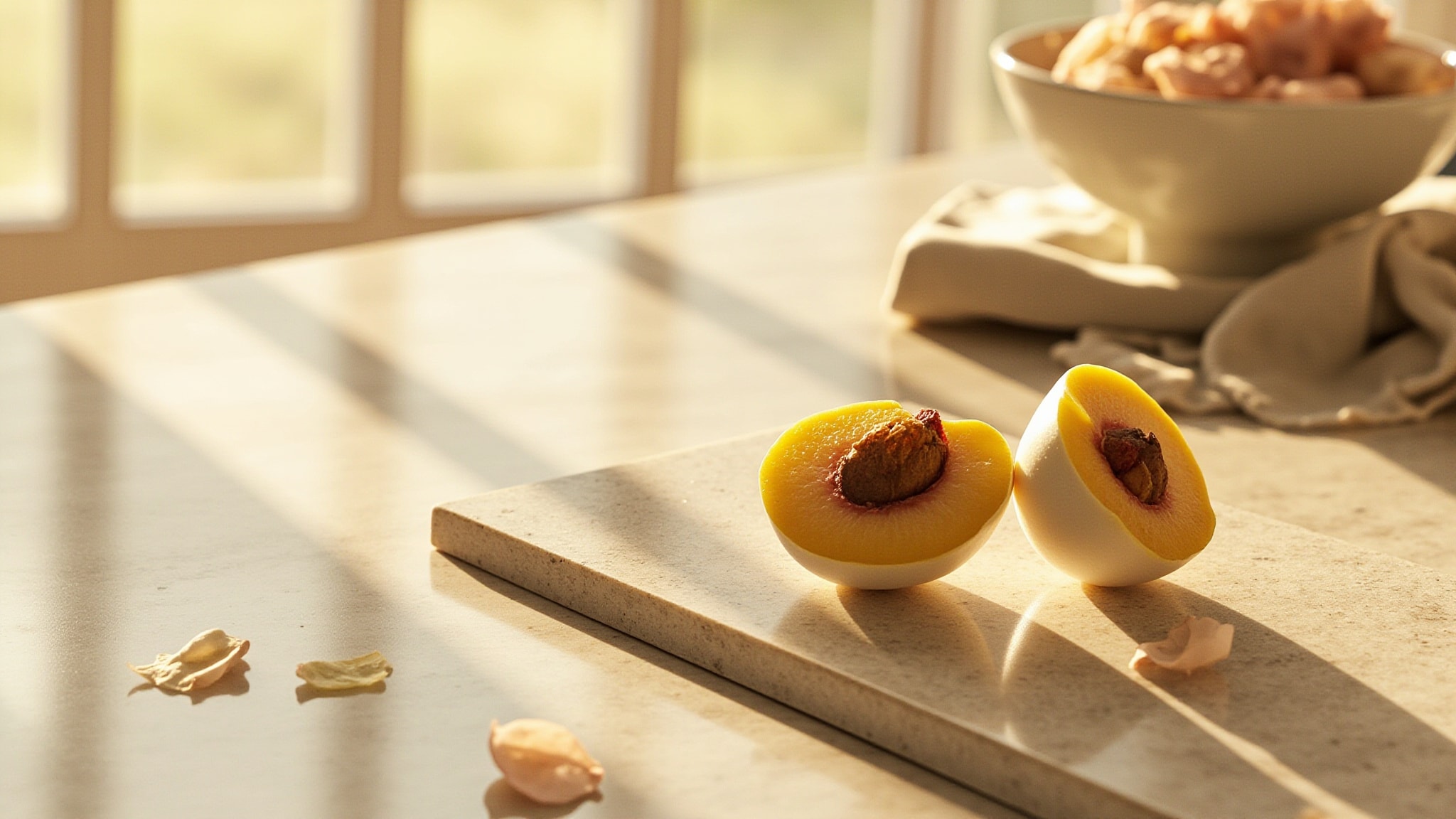
The aldehyde-peach opening was a deliberate choice, a way to crisp the air before any flower arrives. Pairing them with natural rose, violet, and heliotrope grounded that synthetic sparkle in something rooted, like champagne poured into a stone courtyard. The carnation adds clove-warmth, the jasmine brings indolic depth, and the peach softens everything with a fleshy sweetness that keeps the aldehydes from feeling sterile. There is a structural intelligence at work here, a perfumer who understood that the brilliance of aldehydes needs anchoring or it floats away into nothing.
The evolution
The first twenty minutes belong to the aldehydes. They arrive with that characteristic fizzy lift, bright and almost metallic, sharpened by bergamot and rounded by peach. The florals are present but held back, waiting. As the aldehydes burn off, the heart opens fully. Rose and jasmine take the lead, carnation adding its clove-edged warmth, violet dropping a soft, slightly powdery sweetness underneath. Heliotrope threads through everything with an almond-vanilla softness that makes the bouquet feel intimate. The musk and oakmoss eventually settle the composition into a skin-scent that feels warm and slightly woody. The sandalwood adds creamy depth without ever becoming heavy. The amber warms the base from underneath. It does not project loudly at this stage, but it stays.
Cultural impact
Le Baiser du Faune belongs to a moment of extraordinary attention to the perfume bottle as an object of beauty, and the collaboration between Molinard and Lalique produced one of the defining flacons of the era. René Lalique designed the bottle for the 1929 release, and it was later named the most beautiful perfume bottle in the world at the 1939 New York World's Fair. The bottle itself became a cultural artifact, reproduced and referenced long after the scent inside it had become difficult to find. The fragrance was discontinued decades ago, and surviving bottles circulate among collectors who prize both the composition and its container.