
The Story
Why it exists.
The beginning
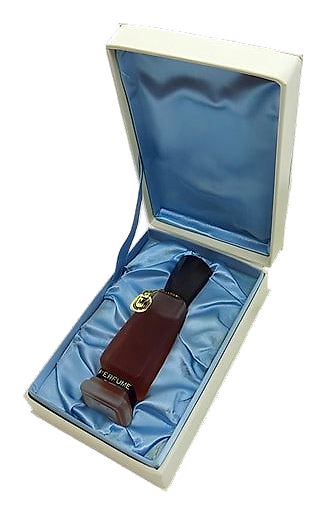
Mikimoto entered fragrance in 1970, bringing the same restraint that built its reputation in cultured pearls into a bottle. The house called on Frank Voelkl, a perfumer known for translating refined materials into wearable compositions, to create the scent. The result was a composition that never raises its voice. Citrus opens with clarity, iris gives it that pearly softness, and the base of oud, sandalwood, and saffron provides the depth that keeps it from floating away. The whole thing reads as polished without being formal, a quiet, deliberate construction that values balance over drama. The citrus opening is bright but measured, more of a glint than a flash.
What makes the composition interesting is the tension between freshness and warmth. The top notes are four citruses stacked together, bergamot, bitter orange, grapefruit, and Sicilian lemon, which unfold in a layered, zesty sequence. But then iris and magnolia take over, two florals that bring powder and weight. And the base is where the fragrance earns its depth: ambergris, oud, sandalwood, and saffron together give it a dry, lasting warmth. Most citrus-led fragrances stay light. This one doesn't. It goes places you don't expect.
The evolution
The opening is all citrus. Bright, sharp, almost a bit sharp enough to make you wince. Then the iris arrives and the whole thing softens. The magnolia follows, adding a creamy, almost soapy quality that gives the scent its pearl-like surface. As the wear continues, the base starts to show. The oud is there but it's quiet, not leathery or animalic. The saffron adds a dry, slightly bitter warmth that sits close to the skin. The citrus eventually fades and what's left is iris over sandalwood with that saffron thread running through it. On fabric the next morning, it's mostly soft sandalwood with a faint echo of the magnolia. It doesn't announce you. It just stays with you. The progression from the bracing citrus top to the hushed, woody base feels less like a transformation and more like a gradual settling, each layer receding just enough to let the next one come forward.
Cultural impact
The 1970 Mikimoto Perfume is a quiet collector's piece. Released in the year the house entered fragrance, it carries the weight of a debut composition that has remained largely under the radar compared to more ubiquitous designer launches of the era. Wearers who find it tend to be people drawn to restraint: the iris-oud combination offers a specific kind of balance, and the saffron gives it a warmth that defines the drydown in a memorable way. It's the kind of scent that doesn't trend, and that's part of its appeal.