The Story
Why it exists.
The beginning
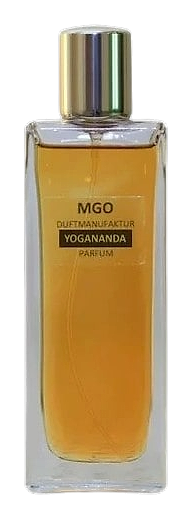
Yogananda arrived in 2017 from Hans Georg Staudt, the German perfumer associated with MGO Duftanker. The composition creates a similar sense of contrast: jasmine and bergamot bring light, powdery floral clarity, while oud, benzoin, civet, and musk settle into something darker and more tactile. No specific personal story behind the name appears in the available history, so the fragrance itself offers the clearest answer. It is built around the tension between a refined floral veil and an animalic, resinous heart. That friction gives Yogananda its character. It feels less like a meditation than a return to center, composed with German directness and a strong emphasis on oud.
The unusual part is how naturally the composition connects materials that usually belong to different fragrance families. Cashmeran gives jasmine a soft, wool-like texture, while neroli keeps the floral side clean and luminous. Indian oud then supplies depth rather than simple smoke. Benzoin and cedar bring warmth and structure, with rose adding a velvety edge. In the base, musk and civet create skin-like intimacy, while Thailand oud, African vanilla, and oakmoss make the drydown darker and more persistent. The result is a floral that doesn't stay polite.
The evolution
The opening begins with jasmine, cashmeran, and bergamot: soft white petals, brushed wool, and a brief lift of citrus. As those notes recede, Indian oud, benzoin, cedar, rose, and neroli take command. The composition grows warmer and more textured, shifting from clean floral brightness to something closer to polished wood and glowing resin. Rose softens the oud without making it tame. In the drydown, musk and civet settle close to skin while Thailand oud, African vanilla, and oakmoss give the fragrance weight. Oakmoss brings a dry, earthy edge; vanilla adds sweetness without turning dessert-like. The final effect is both powdery and animalic, floral and woody, with a trail that can linger. As the composition develops, the initial floral lift gives way to warmer resinous notes, while the base remains close, dark, and persistent.
Cultural impact
Yogananda's character lies in the contrast between polished floral elements and a darker, material-rich composition. Jasmine, rose, and neroli provide a luminous floral framework, while oud, benzoin, cedar, civet, musk, vanilla, and oakmoss add depth and warmth. The name adds a contemplative, inward dimension, but the scent itself resists simple spirituality. It is meditative in atmosphere and richly physical in execution, balancing soft white floral texture with resinous wood, skin-like warmth, and a distinctly animalic drydown.
The House
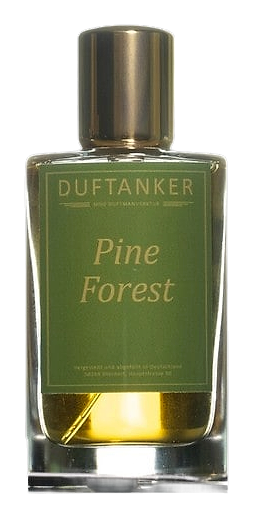
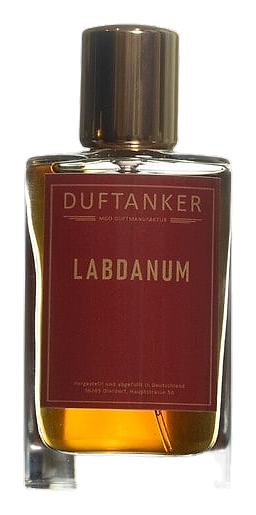
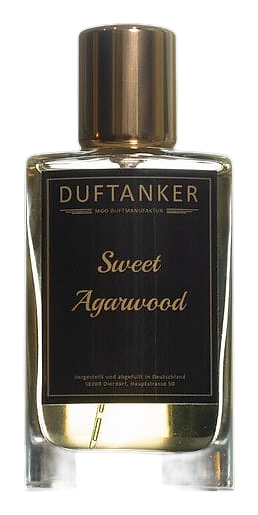
MGO DuftankerMGO Duftanker is a German niche fragrance house founded by Hans Georg Staudt in 2010. The brand operates under the banner of MGO Duftmanufaktur, a designation reflecting its commitment to artisanal production methods. Staudt, born in 1956, developed an early fascination with smells that ultimately led him to fragrance creation. The house produces a collection of approximately 15 perfumes, with offerings ranging from oud-forward compositions like Mystic Oud and Sweet Agarwood to nature-inspired creations such as Pine Forest and Labdanum. The brand also includes numbered formulations like MGO No. 1 and MGO No. 3 within its portfolio. MGO Duftanker operates within Germany's niche perfumery landscape, targeting collectors and fragrance enthusiasts who appreciate distinctive aromatic expressions over mainstream commercial scents.
The Creator
Hans Georg StaudtStaudt favors substance and depth over fleeting impressions. He works with robust, well-made ingredients and constructs fragrances that reward attention.