Hans Georg Staudt
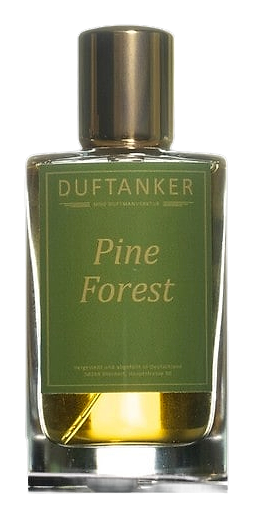
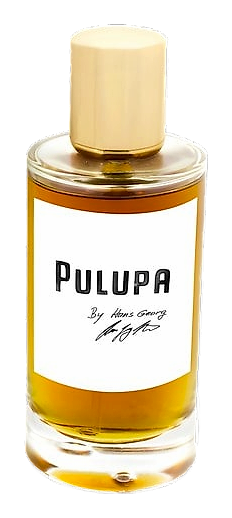
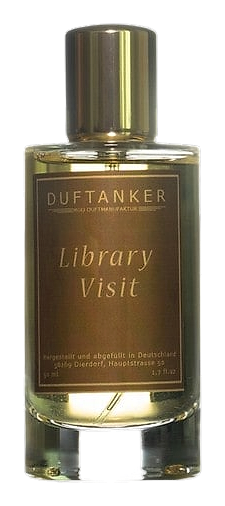
Hans Georg Staudt did not arrive at perfumery through the expected routes. Born in 1956, he spent his formative years drawn to smell before he ever considered it as a profession. Psychology first captured his intellectual attention, but the olfactory world kept pulling him back. The sensory world eventually won out. In 2010, Staudt launched MGO Duftanker, a German independent fragrance house operating from what he calls a Duftmanufaktur—a fragrance manufactory where every formula emerges as a fully realized, handcrafted original. By this point he had already created roughly 300 perfumes, a body of work that revealed his commitment to substance and intentionality over mere novelty. His 2022 publication, "The Perfumer's Path," documents the historical, material, and professional foundations of the discipline he has spent decades mastering. Staudt approaches perfumery as both art and craft, demanding rigorous study alongside creative intuition. He prefers to build slowly rather than chase trends, and he credits his unconventional background with giving him a perspective that purely technical training might obscure.
The hits
Notable creations
The signature
How Hans composes
Staudt favors substance and depth over fleeting impressions. He works with robust, well-made ingredients and constructs fragrances that reward attention. His approach leans classical within a contemporary context, emphasizing structure, progression, and genuine complexity. He has little patience for what he considers hollow effects, preferring instead to build scents around materials that hold their ground. His German training shows in a certain precision and restraint, though he does not shy away from richness when a formula demands it. Traditional perfumery techniques inform his method, but he applies them with flexibility rather than dogma. His work suggests someone who has studied the canon thoroughly before choosing which lessons to carry forward and which to set aside.
Philosophy
What drives Hans
Staudt believes every fragrance should be a genuine original, not a variation on what already exists. He composes each formula himself, by hand, and refuses to simply follow market demand. His work emerges from careful study of materials and their interactions, not from copying successful templates. He has written openly about the history and methodology of perfumery because he thinks the craft demands intellectual seriousness alongside creative flair. Staudt operates MGO Duftanker as a small operation precisely so he can maintain direct control over quality. He makes each recipe himself, treating every bottle as a singular expression rather than an industrial product. His background in psychology informs how he thinks about scent and emotion, but he refuses to reduce fragrance to mere psychological manipulation. He wants the materials themselves to speak truthfully.
The houses
Maisons Hans composes for
In the same league