The Story
Why it exists.
The beginning
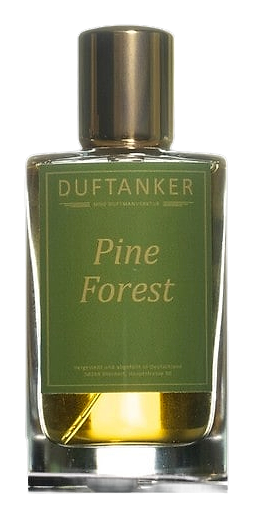
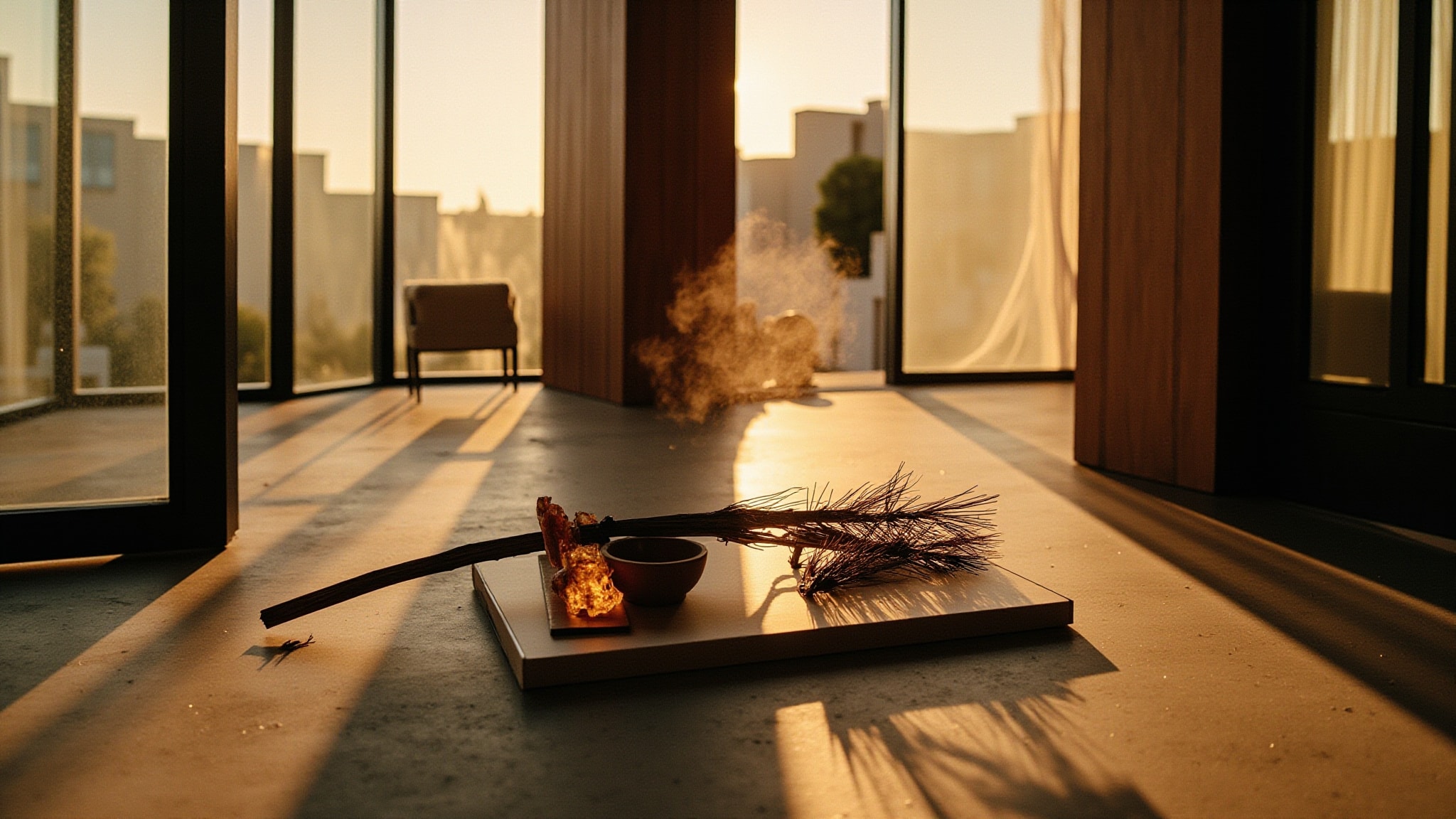
Hans Georg Staudt grew up obsessed with smell, not fragrance as a concept, but the raw material of scent itself. He founded MGO Duftanker in 2010 as a Duftmanufaktur, a handmade operation where he could control every variable. Pine Forest came from a specific memory: standing in a forest at dusk, the temperature dropping, the air carrying every note from canopy to floor. He didn't want to recreate pine. He wanted to recreate that moment. The composition builds outward from conifer, Swiss stone pine, Templin cone, balsam fir, layered with black pepper's sharp edge to capture the cold. Then it deepens into resin and herb, frankincense and oregano working together. Finally, myrrh and labdanum settle like the ground itself. This isn't a pine fragrance. It's a forest.
The note count is unusual, 23 materials across three tiers, more than most niche releases. But look closer: the pyramid isn't adding complexity for its own sake. It's reconstructing the vertical layers of a forest. The cold air at the top where pine needles live. The heart where bark and resin and herbs intermingle. The floor where moss, myrrh, and sage slowly decompose. Black pepper appears in the opening not as a seasoning note but as temperature, the sharpness of cold air on exposed skin. The coriander and carrot seed in the heart aren't decoration. They add an earthy, slightly bitter quality that makes the pine smell real rather than retail. No accord here is pretending to be something it's not.
The evolution
The opening is all conifer, sharp and immediate. Swiss stone pine needle hits first with a cold, almost stinging quality, the temperature of winter air, not a pine-scented cleaner. Templin cone and balsam fir layer beneath it, giving the pine some weight and texture. Black pepper prickles at the edges for the first fifteen minutes, then recedes as the heart warms up. The heart is where Pine Forest earns its complexity. Coriander and oregano arrive slowly, herbal and slightly bitter, preventing the whole thing from becoming sweet or linear. Somali frankincense and Peru balsam provide a dark, resinous warmth that grounds the green elements without softening them. Angelica root adds an earthy quality that echoes the forest floor. This middle phase lasts the longest, 3-4 hours of something that smells like standing inside a dense stand of trees, not standing outside looking in. The drydown shifts quietly. Labdanum absolute and Egyptian myrrh take over from the frankincense, adding a darker, more meditative quality.
Cultural impact
Pine Forest attracts wearers who've moved past idealized forest scents. It reads as realistic rather than aspirational, dense, fragrant, and damp in a way that synthetic pine or fresh laundry accords never achieve. The conifer-balsamic-resinous structure sits somewhere between Serge Lutens Fille en Aiguilles and Filipor Sorcinelli Contre Bombes, not borrowing from either, but occupying adjacent territory for those who want that same atmospheric density without the price of admission.