Templin
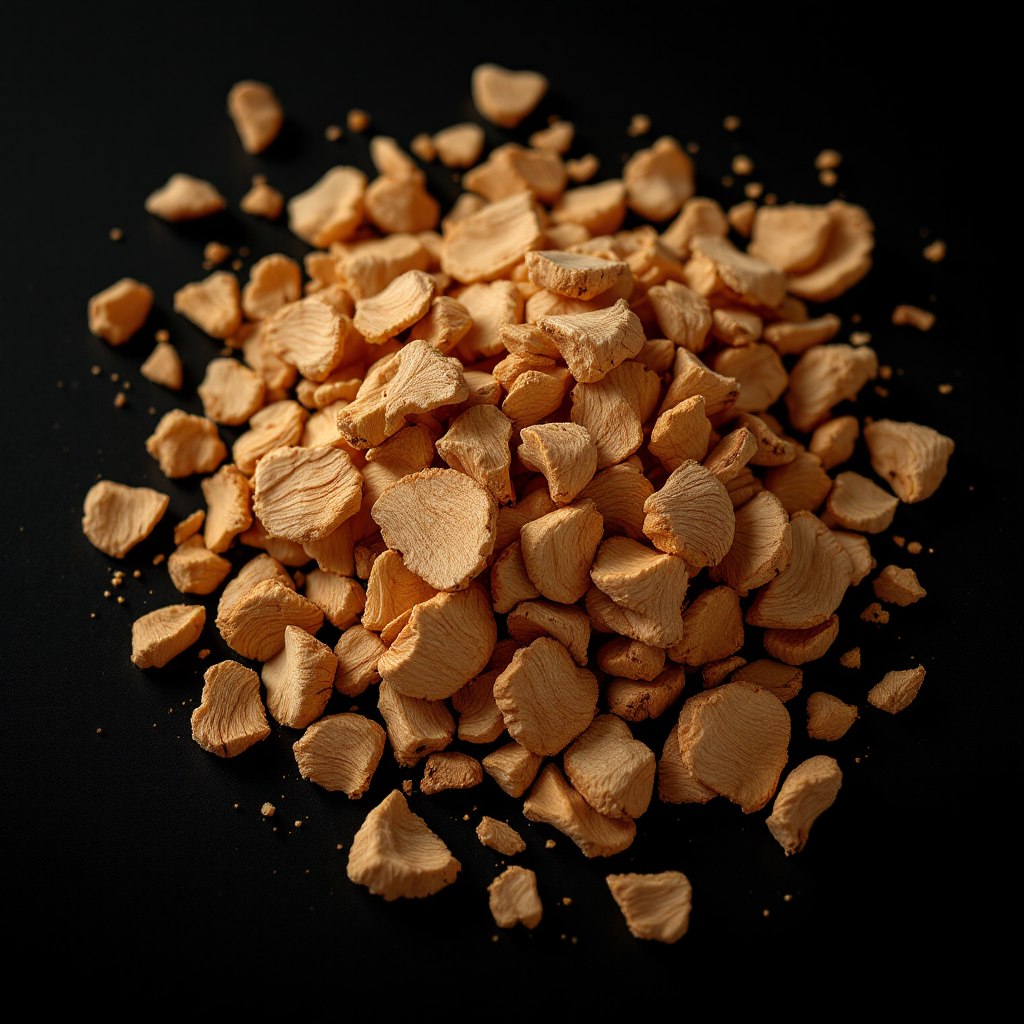
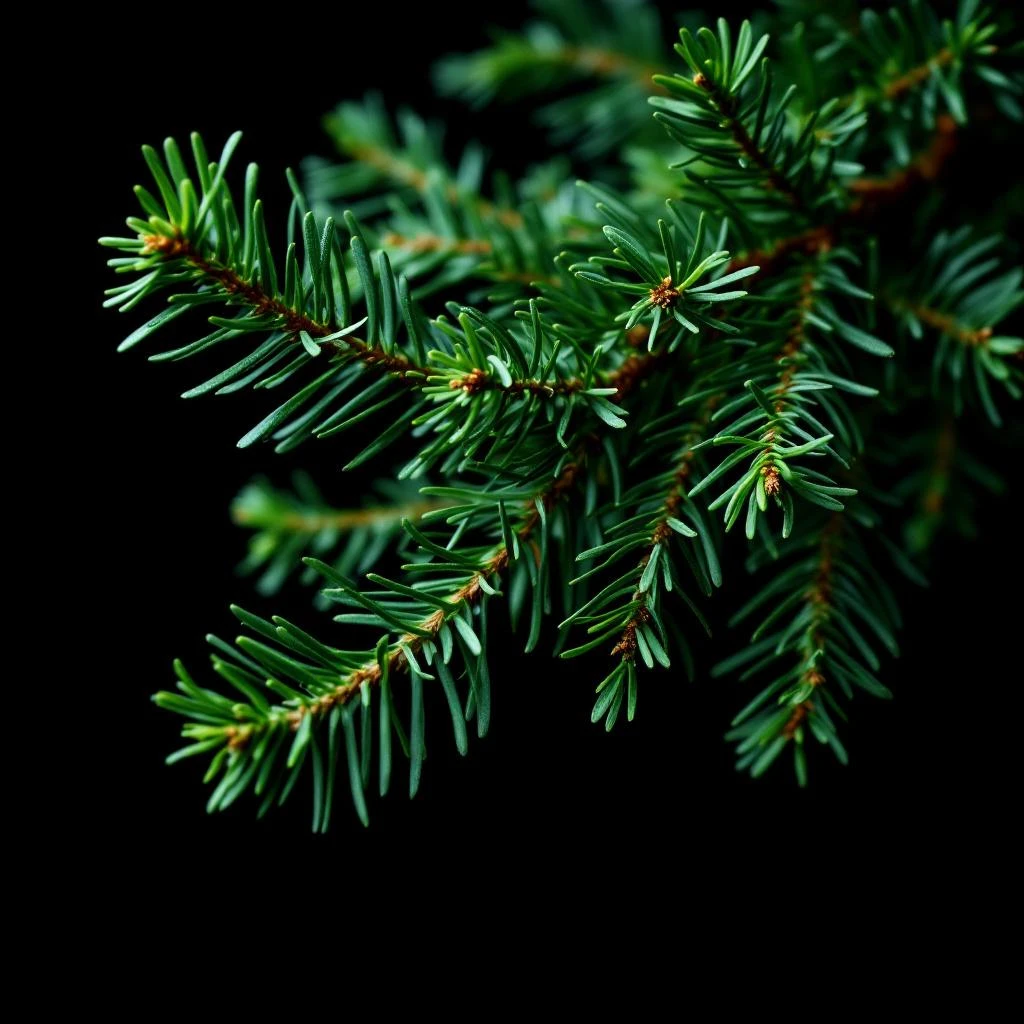
Templin captures the crisp elevation of European silver fir forests. Steam-distilled from young needles and twigs, this oil delivers a sharp, green, pine-forward character with subtle balsamic undertones rarely found in other conifer materials.

Character
How it smells
Fresh alpine air captured in an oil
The name Templin derives from the town in Brandenburg, Germany, where European silver fir populations have thrived for centuries.



Origin
Germany
European silver fir has long occupied Alpine and Central European forests, valued by local populations for timber and traditional medicine. The specific designation Templin emerged from the town of Templin in Brandenburg, Germany, where fir populations became commercially significant for essential oil production during the 19th century. Pre-industrial Alpine communities burned fir needles as incense and incorporated fir-scented preparations into seasonal rituals.
Contemporary perfumery adopted Templin oil as a distinctive conifer material offering different character from Siberian fir or Douglas fir. Its inclusion in fragrance formulations brings authentic forest atmosphere rather than generic pine impression.
Wears it best
Fragrances featuring Templin
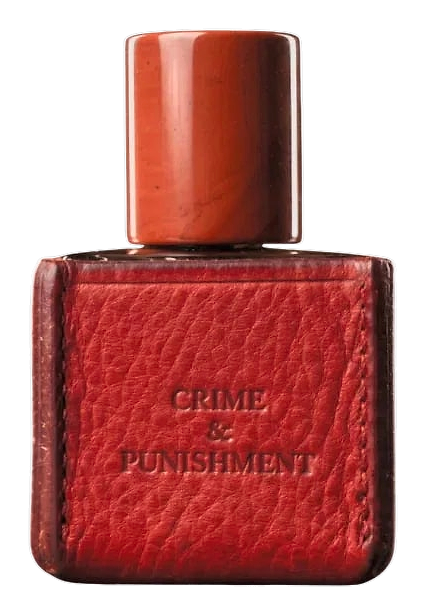
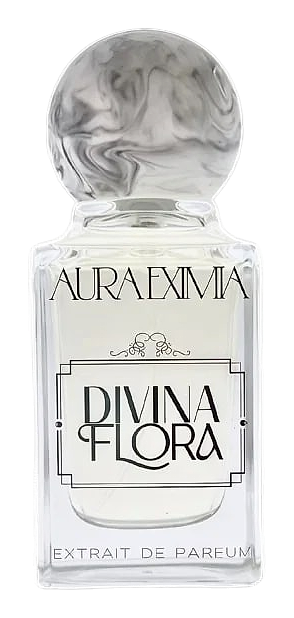
Brands
Brands known for Templin
Good to know
Questions, answered
The essentials on Templin in perfumery: how it smells, where it comes from, and how it behaves on skin.
What does Templin smell like?
Templin presents sharp, green, pine-forward aroma with balsamic undertones. It carries more sweetness than Siberian fir with resinous warmth underlying the crisp conifer character.
Where does Templin originate?
European silver fir grows throughout Alpine and Central European forests. The name Templin specifically traces to Brandenburg, Germany.
Is Templin natural or synthetic?
Templin is a natural ingredient obtained through steam distillation of young fir needles and twigs from Abies alba.
What extraction method produces Templin oil?
Steam distillation extracts Templin oil from fresh needles and young twigs, separating volatile aromatic compounds using controlled steam heat.
Which fragrance families use Templin?
Chypre, fougere, and aromatic fragrance families commonly incorporate Templin for forest and conifer character. It works as heart or top note material.
How much plant material does Templin production require?
Producing one kilogram of finished Templin oil requires approximately 200 kilograms of fresh young needles and twigs.
What parts of the fir tree does Templin use?
Harvesters collect young needles and tender twigs from the upper canopy of European silver fir trees, avoiding older woody material.
How does Templin differ from other fir oils?
Templin offers sweeter, more balsamic character compared to sharper Siberian fir and different resinous qualities than Douglas fir.