Swiss Stone Pine Needle
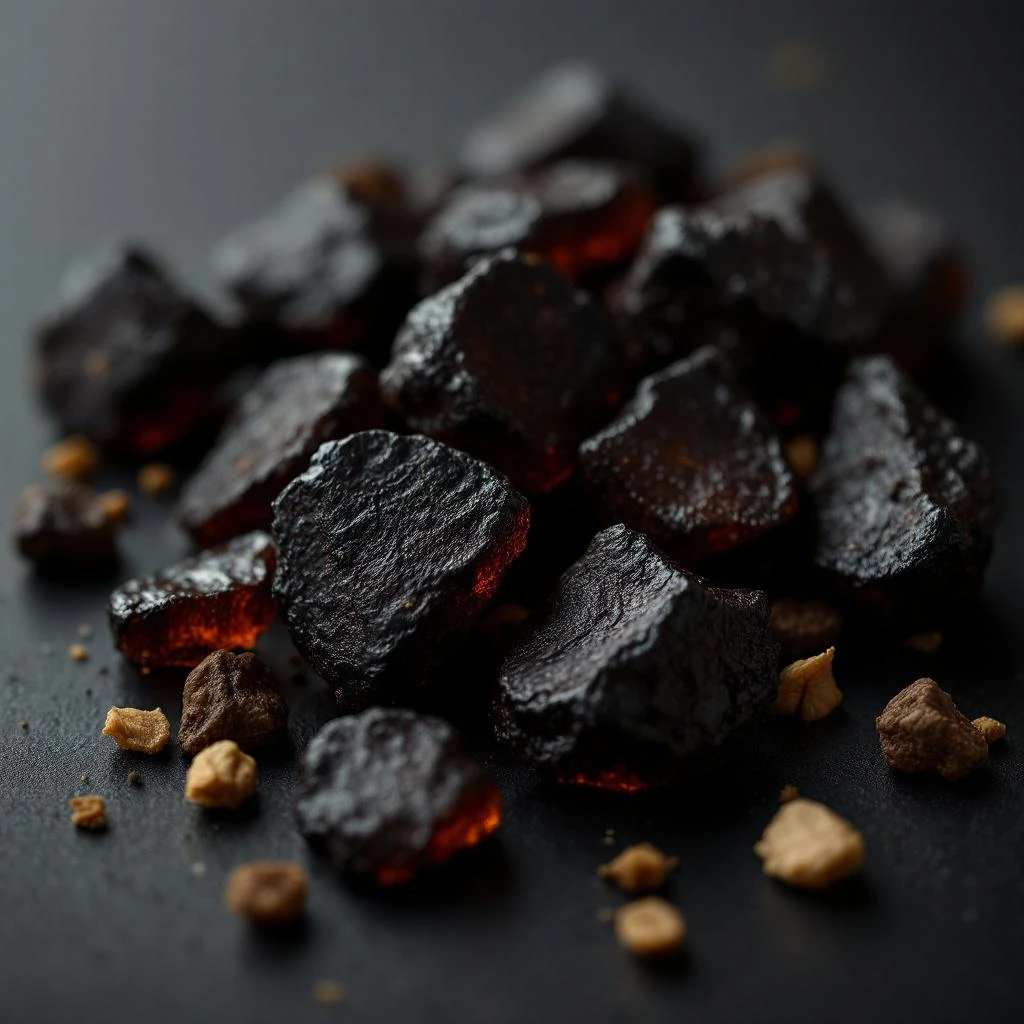
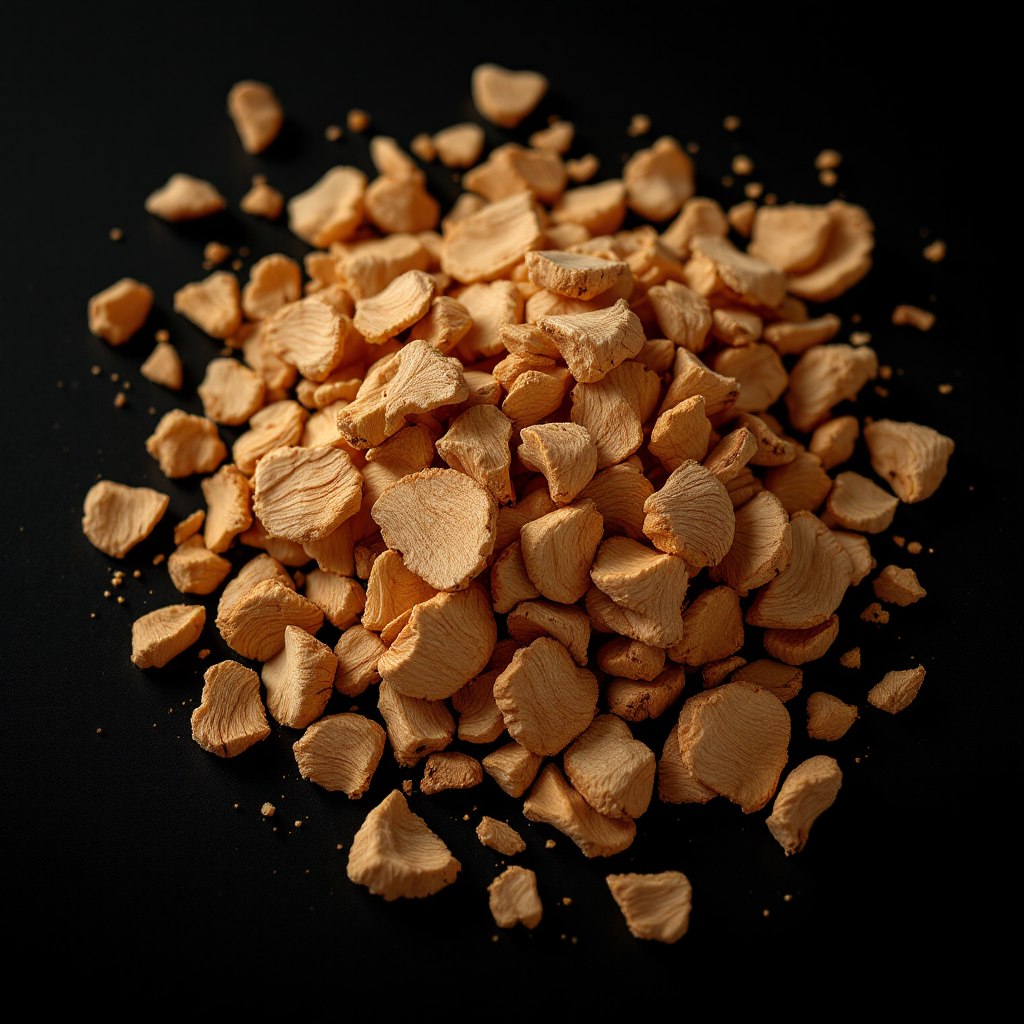
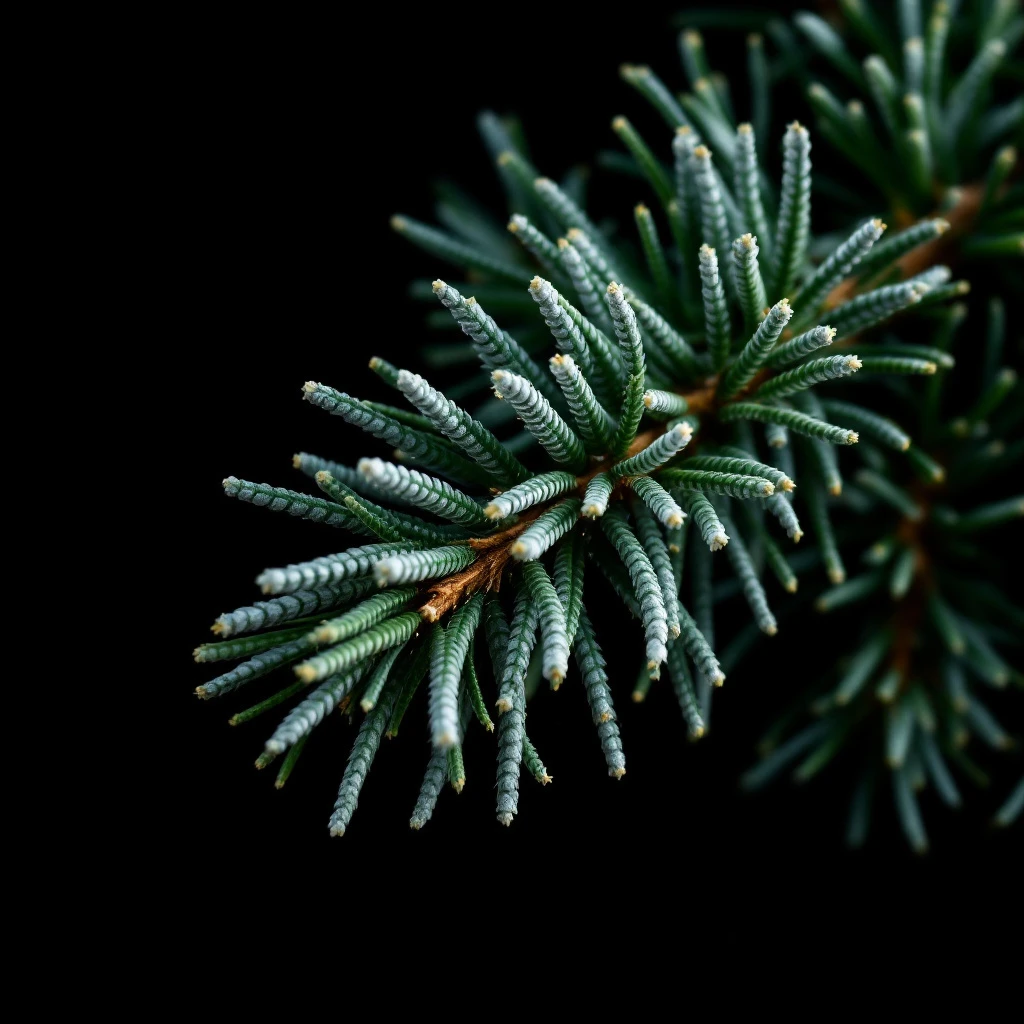
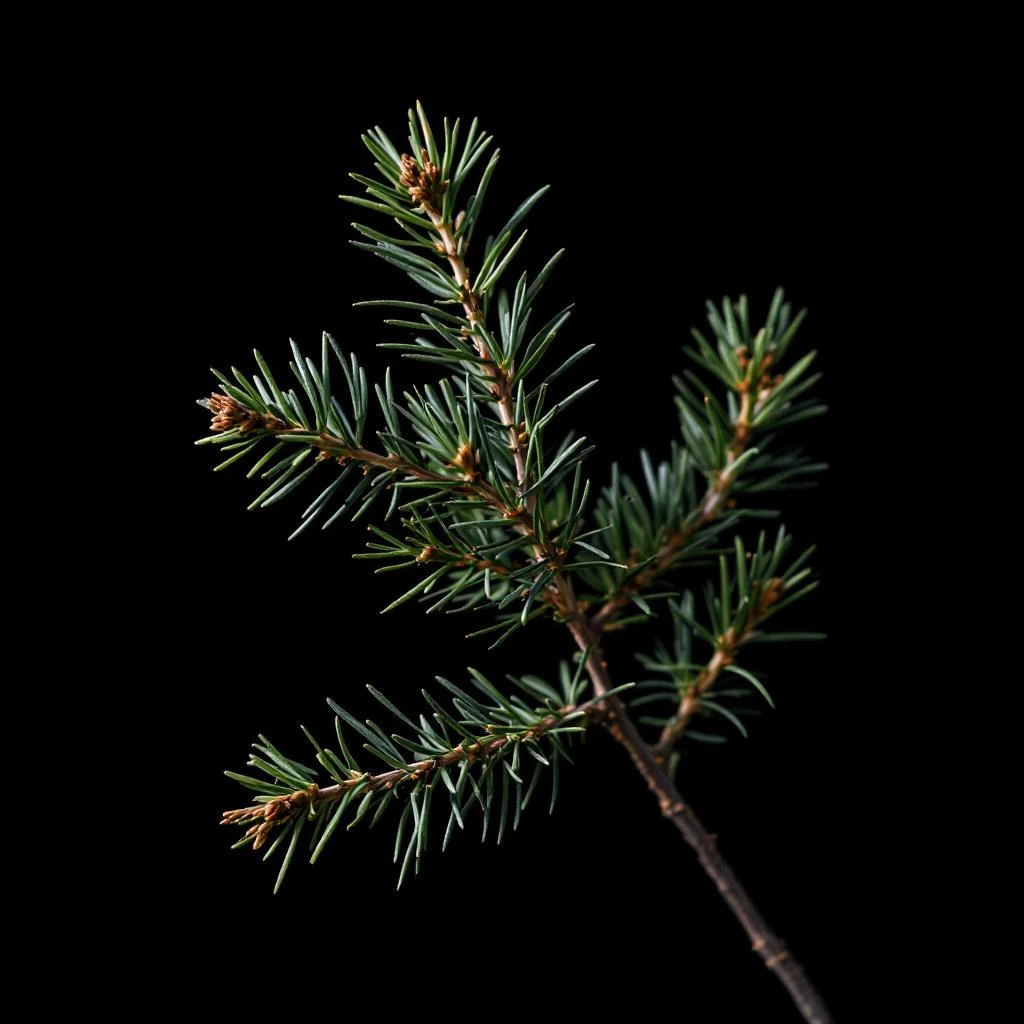
Swiss Stone Pine Needle oil captures the bracing, elevated aroma of Pinus cembra from Alpine altitudes. Its fresh, resinous character brings crisp forest air into fragrance, a mountain accord unlike any other conifer note.
Character
How it smells
Alpine elevation in a bottle.
A single Swiss stone pine tree can live over 1,000 years, passively absorbing the high-altitude terpenes that define its needle oil.

Origin
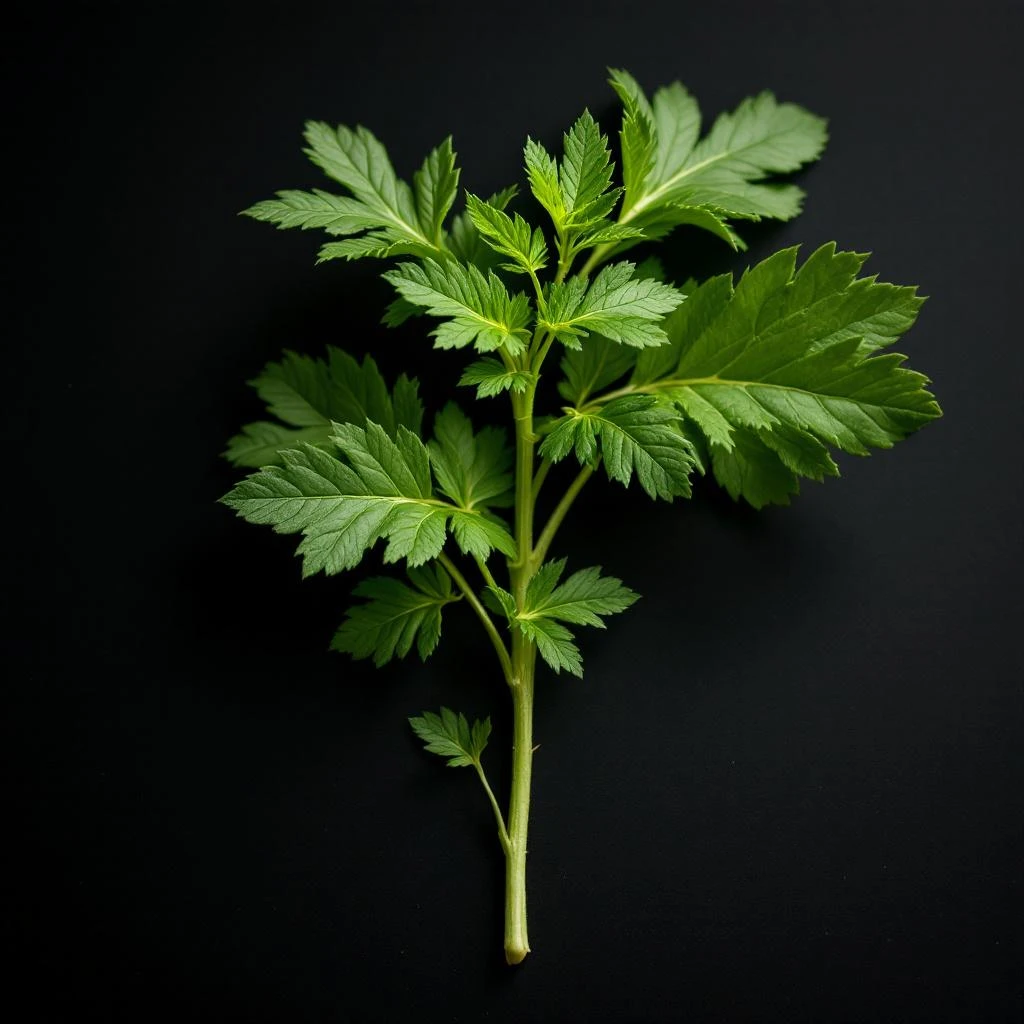
Austria
Swiss stone pine has anchored Alpine folk medicine for centuries, where mountain communities burned needles in saunas and simmered them in steam baths for respiratory and nervous system support. Benedictine monks in medieval Alpine monasteries documented the use of Arolla pine resin in salves and inhaled preparations. The tree holds deep cultural significance across Switzerland, Austria, and northern Italy, where it appears in seasonal festivals and vernacular architecture.
Modern perfumery discovered Alpine pine needle oil in the late twentieth century as demand grew for authentic forest and outdoor accords, moving beyond synthetic pine replacements toward traceable natural materials. Today Pinus cembra remains a protected species in parts of its range, and sustainable harvesting agreements govern collection to protect ancient high-altitude forests.
Wears it best
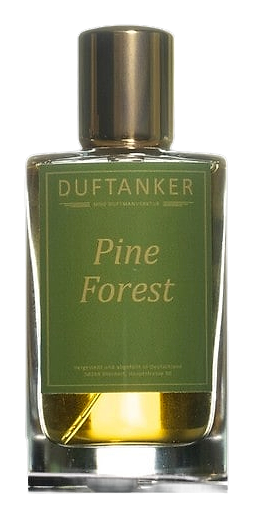
Fragrances featuring Swiss Stone Pine Needle
Brands
Brands known for Swiss Stone Pine Needle
Good to know
Questions, answered
The essentials on Swiss Stone Pine Needle in perfumery: how it smells, where it comes from, and how it behaves on skin.
What does Swiss stone pine needle smell like?
Swiss stone pine needle oil smells fresh, clean, and resinous with sharp green锋芒 and a distinct alpine quality. It combines crisp citrus-limonene brightness with deep piney resonance, creating an airy forest effect unlike lower-elevation pine species.
Where does Swiss stone pine grow?
Pinus cembra grows exclusively in the Alps and Carpathians at elevations between 1,500 and 2,500 meters. Austria, Switzerland, and northern Italy are primary source countries for commercial essential oil production.
How is Swiss stone pine needle oil extracted?
Fresh needles are steam distilled immediately after harvest to prevent oxidation of fragile terpenes. This method preserves the full aromatic profile, yielding approximately 0.3 to 0.8 percent essential oil by needle weight.
Is Swiss stone pine needle oil natural?
Yes, when sourced from reputable suppliers, the oil is 100 percent natural, steam-distilled from wild or sustainably managed Pinus cembra trees. Synthetic pine aroma compounds attempt to replicate the scent but lack the altitude-specific complexity.
What fragrance families use Swiss stone pine needle?
It appears primarily in fougère, chypre, and woody compositions where Alpine or conifer accords are central. It also functions as a top-note freshness agent in masculine and unisex fragrances and in certain spa-oriented ambient scents.
Can Swiss stone pine needle oil cause skin irritation?
Like most conifer needle oils, it can cause sensitization in high concentrations due to monoterpene content. Fragrance formulations use it at low percentages, typically below 2 percent in skin-contact products.
What complements Swiss stone pine needle in fragrance?
Oakmoss, labdanum, cedarwood, and juniper berry create grounded base companions. Violet leaf and galbanum add green contrast, while bergamot and elemi bring citrus brightness that lifts the pine into fresher territory.
Is Swiss stone pine the same as Scotch pine?
No, Pinus cembra is a distinct species from Pinus sylvestris (Scotch pine). Swiss stone pine grows at significantly higher elevations and produces an oil with a cleaner, less turpentine-like aroma profile.