The Story
Why it exists.
The beginning
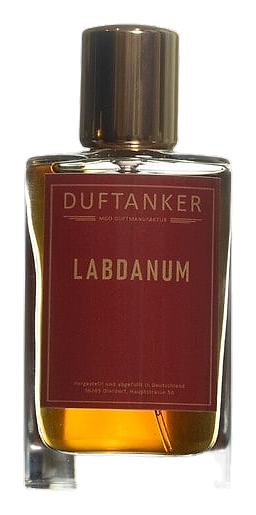
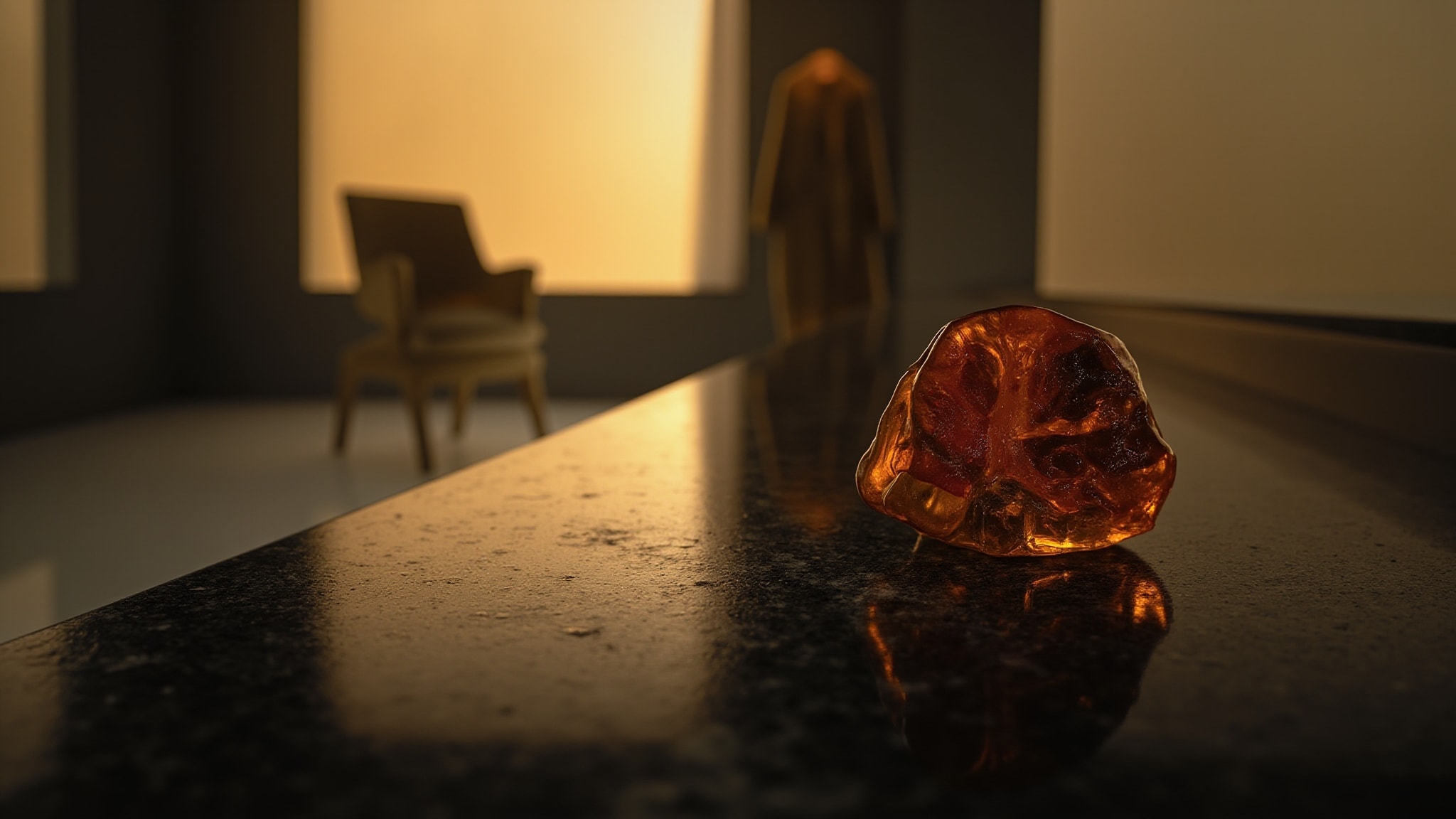
Labdanum arrived in 2019 from Hans Georg Staudt, the fragrance's perfumer. Its name places the material at the center of the composition, while the listed notes of Amber, Benzoin, Coumarin, Ambergris, Vanilla and Green Vanilla shape the direction around it. Labdanum is built around this central resin reference with a compact, deliberate-looking palette. Rather than relying on unrelated embellishment, the fragrance keeps its identity closely connected to the ingredient that gives it its name, offering a clear point of focus for anyone interested in material-led perfumery.
The interesting part is the varied note list gathered around Labdanum. The central material is joined by Amber, Benzoin, Coumarin, Ambergris, Vanilla and Green Vanilla, creating several layers of interpretation. Amber and Ambergris provide one part of the structure, while Benzoin and the two Vanilla entries add further dimensions. Coumarin introduces another contrasting element, giving the composition a blend of named materials rather than a single-note study. Together, these notes make Labdanum a focused exploration of how a named ingredient can be framed by related aromatic materials.
The evolution
Labdanum is presented through the progression implied by its name and official note list. Labdanum establishes the central idea, while Amber and Ambergris extend the composition with additional resinous and mineral associations. Benzoin and Vanilla add sweet notes, and Green Vanilla supplies a contrasting green detail within the same broader vanilla theme. Coumarin contributes another point of difference. Read as a complete structure, the fragrance moves from its named central material into a layered blend of amber, sweet, mineral and green notes, with each listed ingredient contributing a distinct part to the overall composition.
Cultural impact
Labdanum can be understood as a material-centered fragrance whose identity begins with its namesake ingredient. Its supporting notes bring together amber, sweet, mineral and green associations, giving the composition several points of entry for exploration. Rather than assigning it a specific market position or comparing it with other releases, the name and note list offer a more immediate way to discover its character. It invites attention to labdanum as a perfumery material and shows how that central reference can be developed through a deliberately varied selection of accompanying notes.
The House
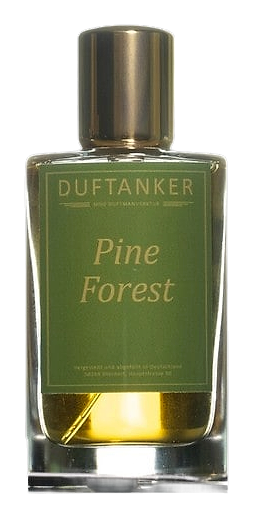
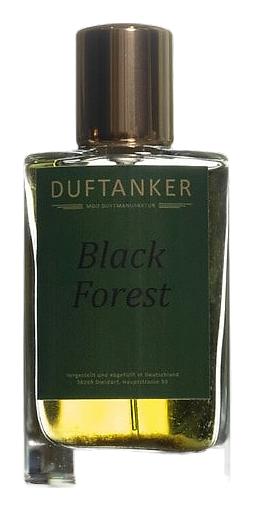
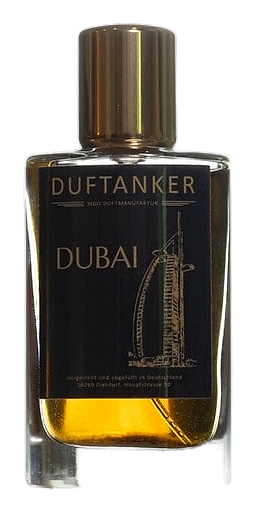
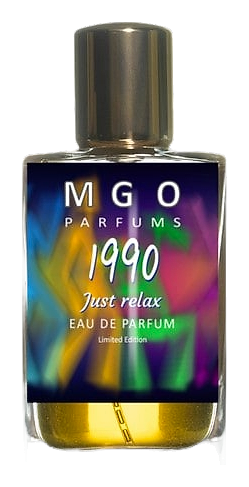
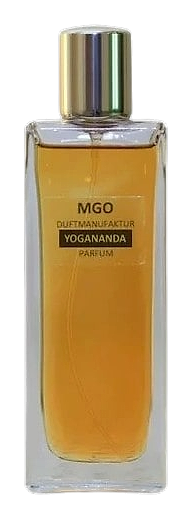
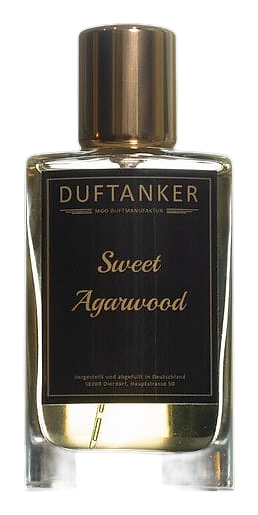
MGO DuftankerMGO Duftanker is a German niche fragrance house founded by Hans Georg Staudt in 2010. The brand operates under the banner of MGO Duftmanufaktur, a designation reflecting its commitment to artisanal production methods. Staudt, born in 1956, developed an early fascination with smells that ultimately led him to fragrance creation. The house produces a collection of approximately 15 perfumes, with offerings ranging from oud-forward compositions like Mystic Oud and Sweet Agarwood to nature-inspired creations such as Pine Forest and Labdanum. The brand also includes numbered formulations like MGO No. 1 and MGO No. 3 within its portfolio. MGO Duftanker operates within Germany's niche perfumery landscape, targeting collectors and fragrance enthusiasts who appreciate distinctive aromatic expressions over mainstream commercial scents.
The Creator
Hans Georg StaudtStaudt favors substance and depth over fleeting impressions. He works with robust, well-made ingredients and constructs fragrances that reward attention.