
The Story
Why it exists.
The beginning
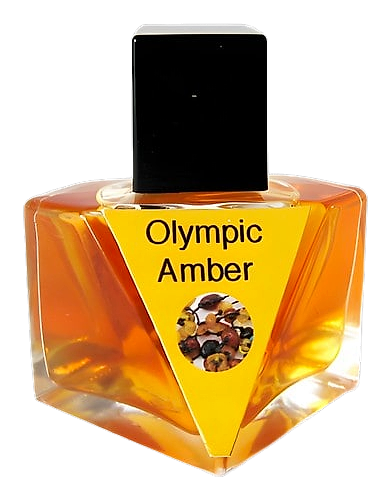
Olympic Amber began as a structural decision. Dr. Ellen Covey wasn't building a signature scent, she was building a foundation. A base other fragrances could lean on, a warm anchor that would make lighter materials last longer and smell richer. The brief was practical. The result, less so. Labdanum, benzoin, vanilla, incense, these aren't supporting players in Olympic Amber. They're the whole cast. What happens when you make a base too good? It refuses to stay in the background. The golden color alone tells you something, this isn't an afterthought. It's a statement about what amber can do when no one's asking it to perform.
Labdanum isn't the secret here, it's the whole point. This fragrance was built around what labdanum does best: tether, anchor, extend. Blended with benzoin and vanilla, it becomes something thick and slightly sticky, the olfactory equivalent of warm resin seeping from ancient wood. The vanilla doesn't sweeten so much as deepen, it rounds the edges of the resins instead of softening them. What makes Olympic Amber work as a standalone scent is that the base was already complete. Covey just decided other people should wear it the way it was.
The evolution
The opening hits like warm resin left in summer sun. No sharp edges, no citrus brightness, just immediate warmth from frankincense and benzoin, with a faint smoky thread that suggests incense without overwhelming. The labdanum announces itself early, that characteristic leathery-honey note that separates this amber from the clinical synthetics. Thirty minutes in, the vanilla arrives. Not in a flash, it emerges slowly, blending with the resins until the whole composition becomes a single warm smear of amber and cream. The woods appear in the middle hours, cypress and patchouli giving it somewhere to sit, a grounding that keeps the sweetness from floating away. By hour six, it's close to the skin, intimate, a quiet warmth that stays for hours more. On fabric, it becomes a faint trace, detectable the next morning if you sleep in the shirt.
Cultural impact
Olympic Amber occupies a specific corner of the niche world, the amber that serious collectors reach for when they want warmth without sweetness gone wrong. It doesn't shout. It doesn't evolve into something unrecognizable on the drydown. What it does is persist, and in a market where longevity often means loudness, that's quietly radical.
The House
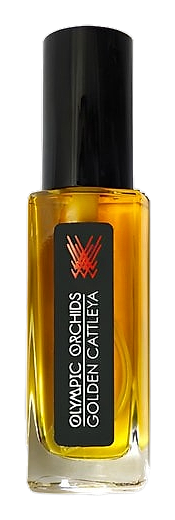
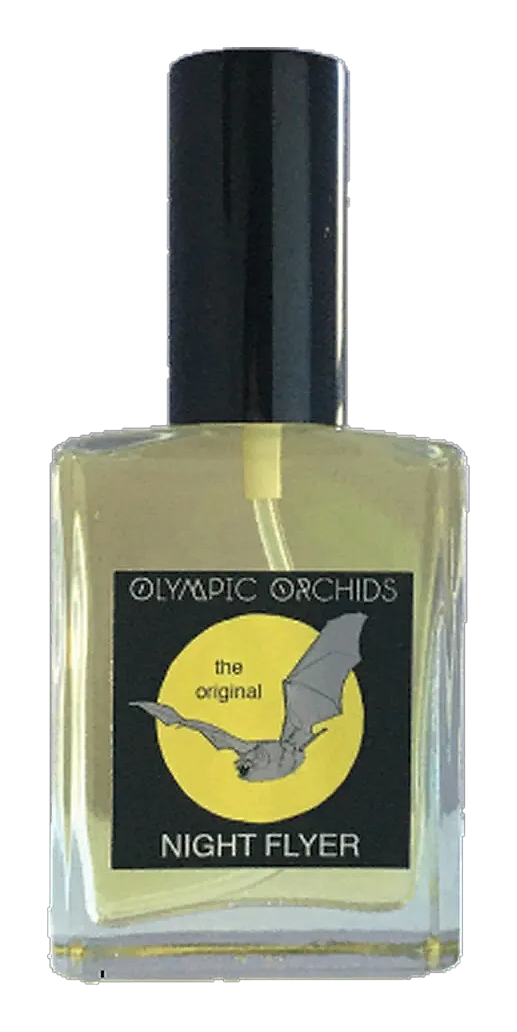
Olympic Orchids Artisan PerfumesOlympic Orchids Artisan Perfumes translates a Pacific Northwest orchid nursery into a niche perfume house. Founded by Dr. Ellen Covey, the brand produces small‑batch scents that reference the flora of the Olympic Peninsula. Each fragrance is formulated in‑house, using natural extracts whenever possible, and released under a modest catalogue that includes titles such as Golden Cattleya (2010) and Night Flyer (2020). The line appeals to collectors who value depth, development, and a personal touch over mass‑market polish.
The Creator
Dr. Ellen CoveyCovey builds most of her compositions around a single orchid extract or a rare natural oil. She blends that focal material with a handful of supporting notes, often choosing synthetic aromachemicals that echo the natural scent’s structure.