The Story
Why it exists.
The beginning
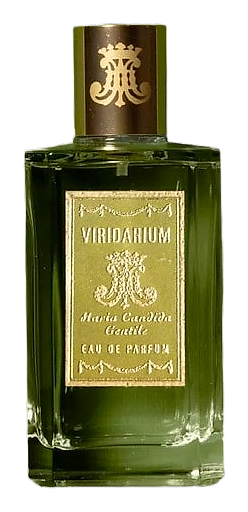
Viridarium began with a fresco. The Viridarium of Livia, painted around 1 B.C. and preserved in Rome's National Roman Museum, depicts the private garden of Emperor Augustus's wife, a walled world of plants chosen not for beauty alone, but for meaning. Maria Candida Gentile stood before that painting and began a study of its botanical content, compiling a list of the plants represented and investigating their contemporary relevance. The result is a composition that doesn't evoke a garden so much as it inhabits one. The name is the same word the Romans used for the enclosed gardens of patrician villas, and the intention behind it is identical: a space set apart, where nature and intention intertwine.
What makes Viridarium chemically interesting is the juxtaposition of dates against frankincense and white fir, a palm fruit sweetening the drydown of a resinous conifer. It's not a combination that sounds logical on paper. On skin, it reads as warmth deepening into stillness, sweetness that never becomes cloying because the frankincense keeps it honest. The clary sage does something similar in the opening: its herbal, slightly bitter quality prevents the bergamot and mandarin from reading as merely cheerful. There's a medicinal coolness threaded through the top that keeps the whole thing from feeling like a summer fling. This is a fragrance that knows what it is.
The evolution
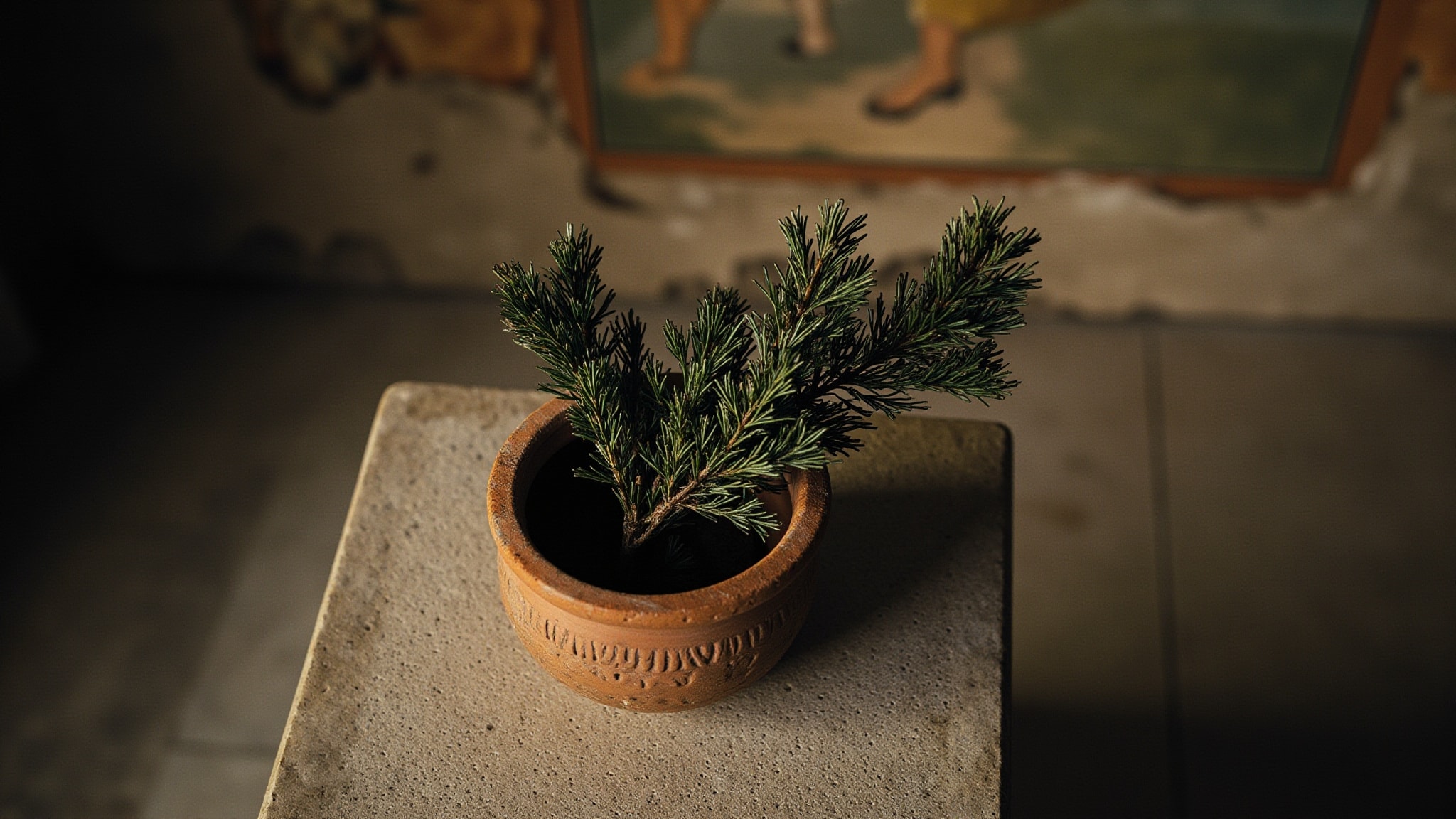
The opening arrives with bergamot and clary sage, citrus brightness tempered by an herbal coolness that prevents anything from reading as bright or playful. That green accord announces itself immediately, giving the composition a cool, almost mineral undertone. The heart introduces chamomile and beeswax, creating a warmth that feels waxy and slightly animal, and then the dates arrive, not immediately, but unmistakably. The drydown is where Viridarium earns its name. Frankincense, white fir, and cypress arrive together and stay, offering a resinous presence that unfolds gradually on the skin. The progression from citrus to warmth to resin feels inevitable rather than surprising, as if each phase were waiting for its turn. On fabric, the base lingers as a quiet, woody presence that smells nothing like the opening.
Cultural impact
Viridarium stands apart in the niche landscape for its method as much as its result. The perfumer's process of identifying plants in a first-century fresco and building a fragrance around them is unusual in a market where botanical sourcing is often claimed but rarely documented. The fragrance rewards wearers who value intentionality over trend, offering a green-woody aromatic that feels constructed rather than assembled. It appeals to those who seek compositions with a sense of place and time, inviting repeated wearing to fully appreciate its layered construction.