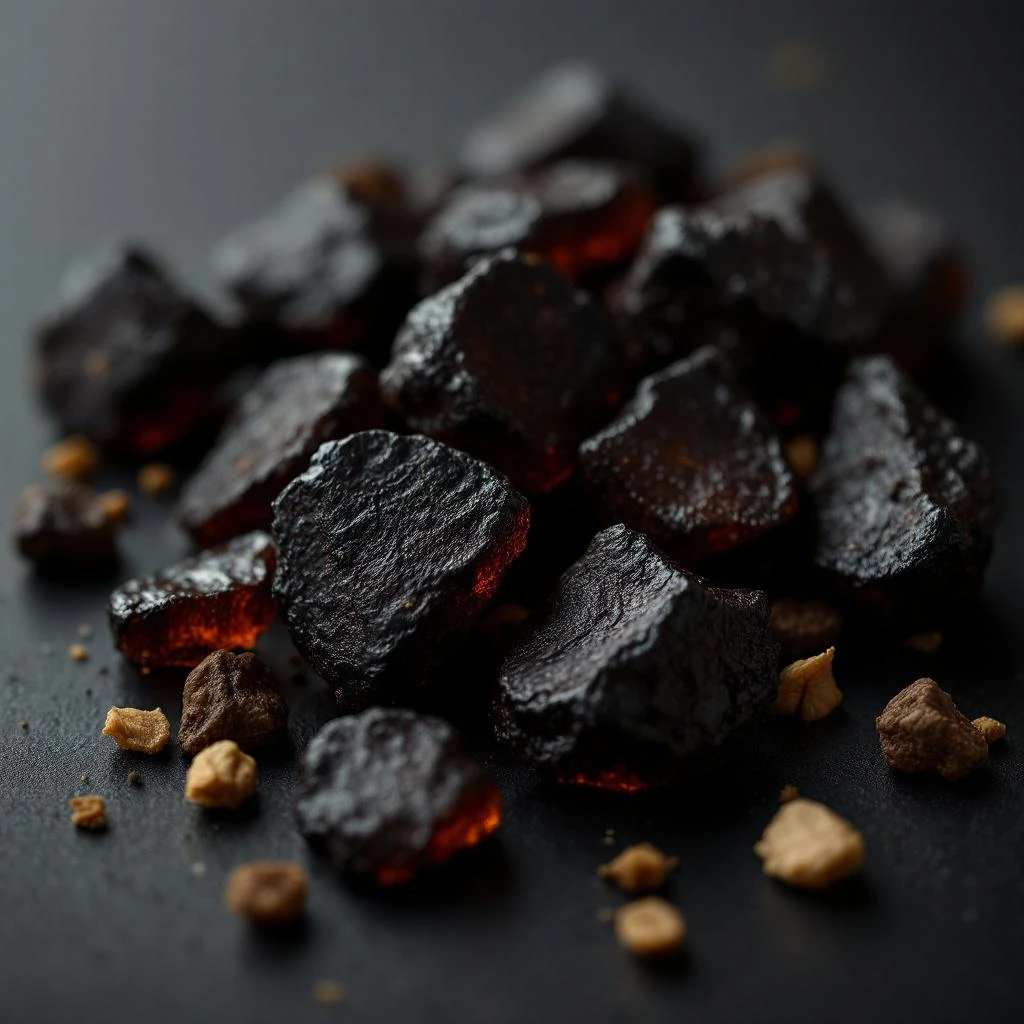
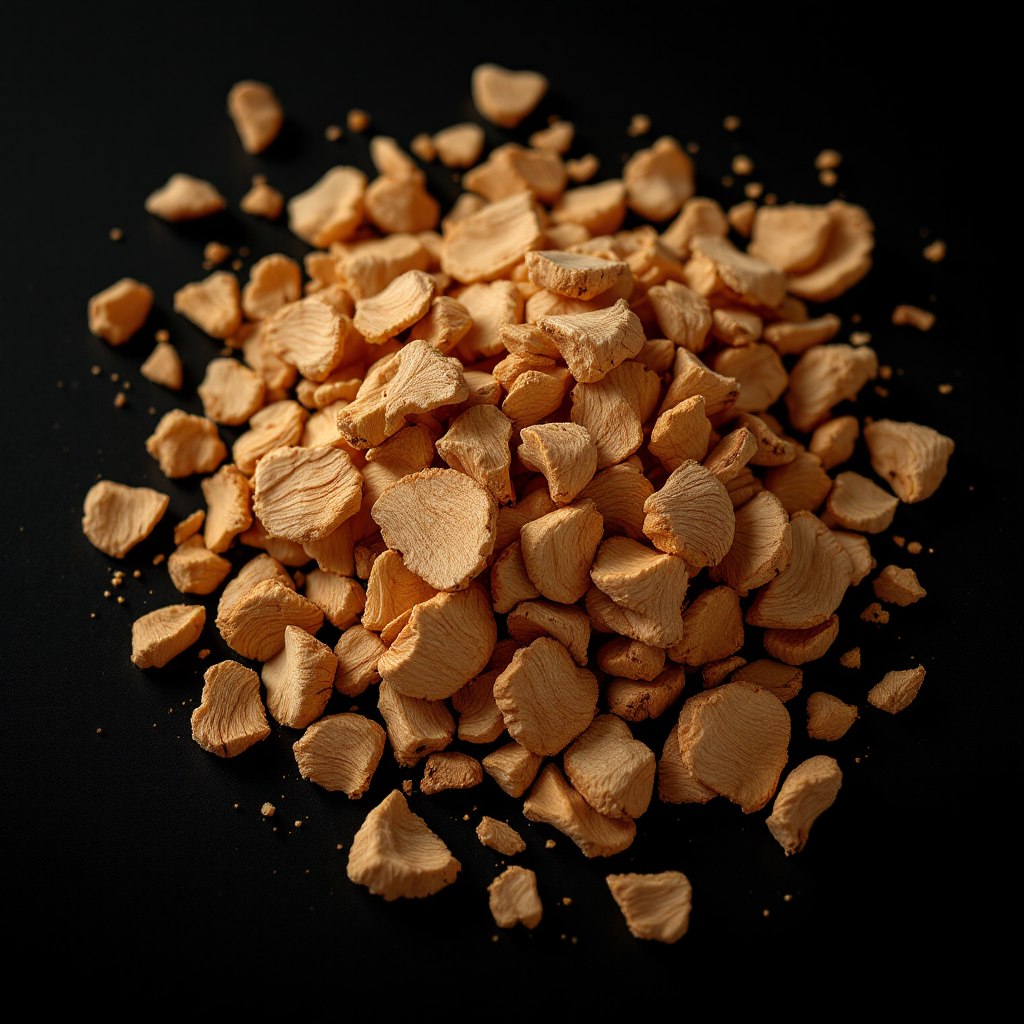
Elm
Elm enters perfumery as a whisper rather than a statement, prized for the quiet, woody undertone it lends to compositions seeking depth over drama.
Character
How it smells
The quiet wood beneath the blend
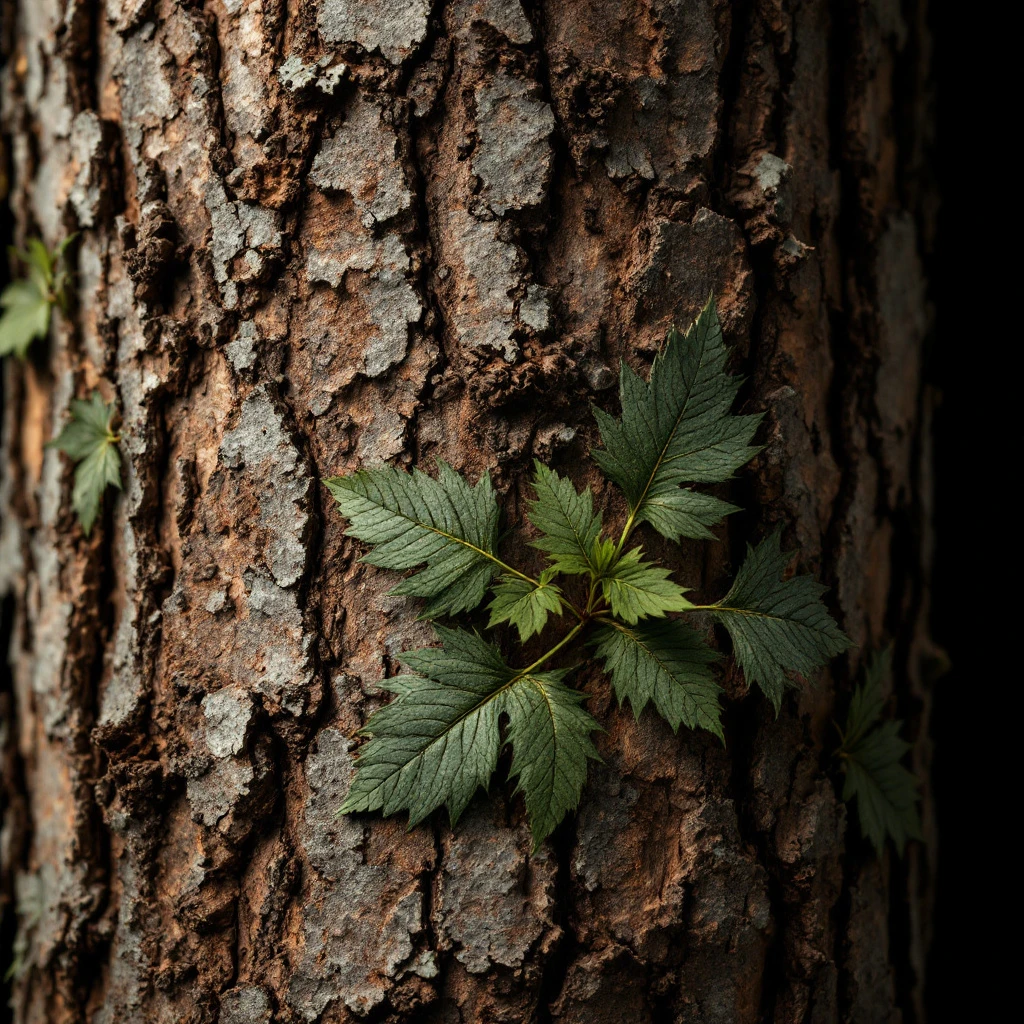
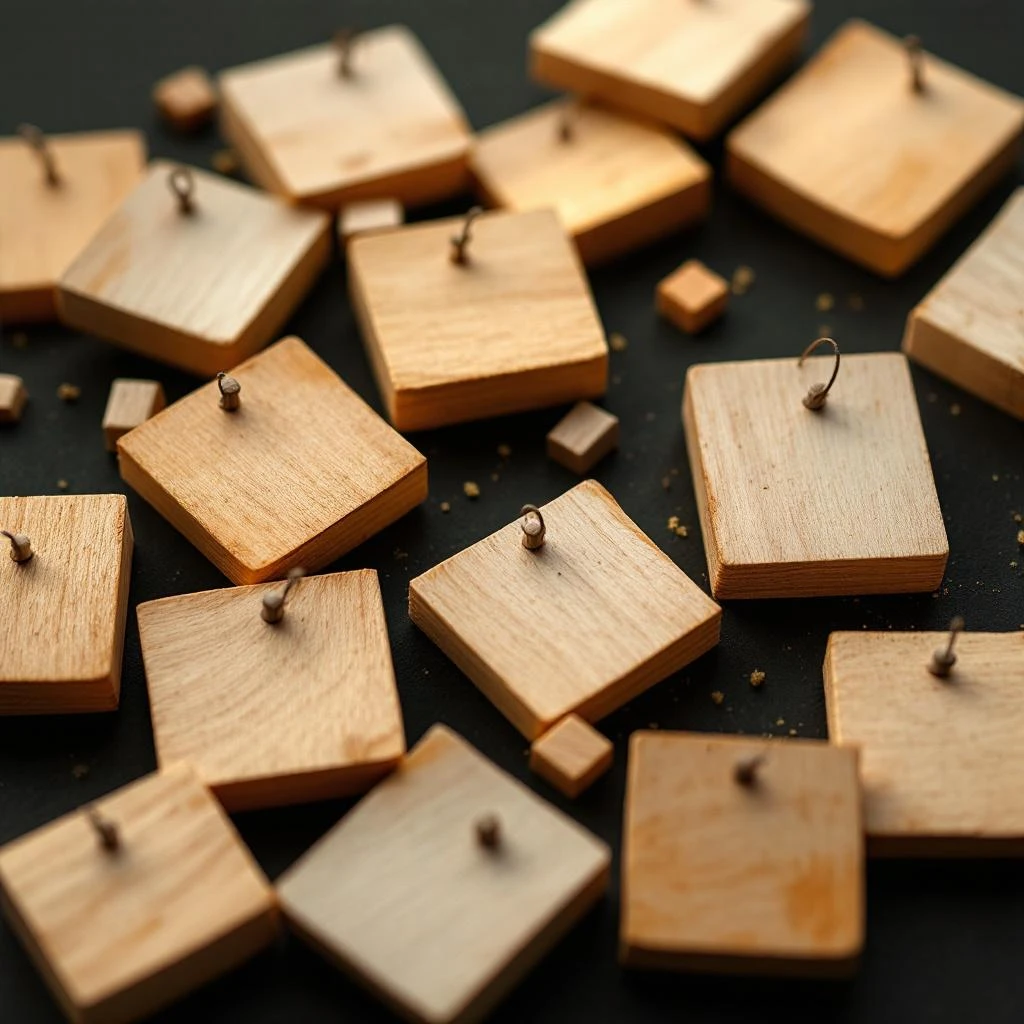
Elm bark was once boiled into decoctions for leatherworking, and its faint woody scent was noticed by early perfumers searching for novel basenotes.


Origin
United Kingdom
Elm wood has carried human significance since the Bronze Age, when it was carved into boats, shields, and water pipes across northern Europe. The Dutch elm disease outbreaks of the twentieth century devastated mature populations, reducing the supply of usable timber and incidentally limiting any experimental perfumery work.
Eighteenth-century European cabinetmakers prized elm for its interlocking grain, and artisans occasionally noticed a faint aromatic quality in freshly worked pieces. In American folk practice, slippery elm bark featured in medicinal poultices, though its role in scent-making stayed marginal.
Modern niche perfumers occasionally reference elm in conceptual compositions, treating it as an archival curiosity rather than a working material. The ingredient's history is largely one of absence from the perfumer's organ, noted more for its botanical rarity than its olfactory contribution.
Wears it best
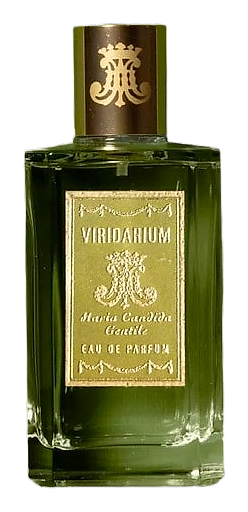
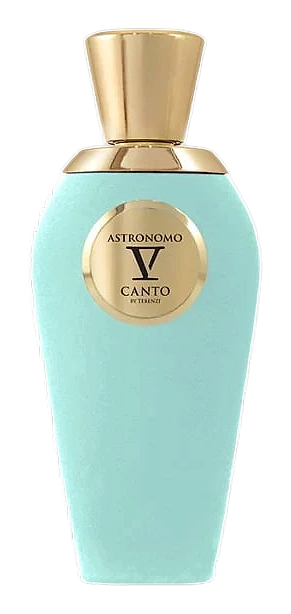
Fragrances featuring Elm


Brands
Brands known for Elm
Good to know
Questions, answered
The essentials on Elm in perfumery: how it smells, where it comes from, and how it behaves on skin.
Is elm a common ingredient in perfumes?
Elm is not a standard perfumery material. Its olfactory profile remains too subtle to function as a primary building block, so most mainstream fragrances avoid it entirely in favor of more aromatic woods.
What does elm smell like in fragrance?
Elm carries a dry, faintly sweet woody character with green undertones. The scent is quiet and recessive, which is why perfumers rarely feature it as a standalone note.
How is elm extracted for perfumery?
When used, elm heartwood and bark undergo solvent extraction to produce a resinoid. Steam distillation yields minimal oil, limiting commercial viability and keeping the ingredient rare.
Does elm bark have a scent?
Fresh elm bark offers a mild earthy aroma with subtle woody notes. Its intensity is far lower than cinnamon or birch bark, which is why perfumers rarely pursue it as a featured ingredient.
What woods are similar to elm in perfumery?
Cedarwood and guaiacwood share elm's dry woody profile but offer stronger, more extractable aromatics. These substitutes appear far more frequently in modern fragrance formulations.
Where does elm for perfumery originate?
European elm species, particularly those historically grown in the British Isles, provided most early material. Dutch elm disease reduced these populations significantly during the twentieth century.
Is synthetic elm used in modern perfumery?
Yes, synthetic reconstructions of elm's woody profile appear more often than natural extracts. Chemists combine cedarwood derivatives with phenolic modifiers to approximate the scent.
Why is elm rarely used in modern perfumery?
Low essential oil yield, subtle aroma, and limited supply after disease outbreaks have kept elm marginal. Perfumers with access typically treat it as a conceptual note rather than a functional one.