Hooded violet
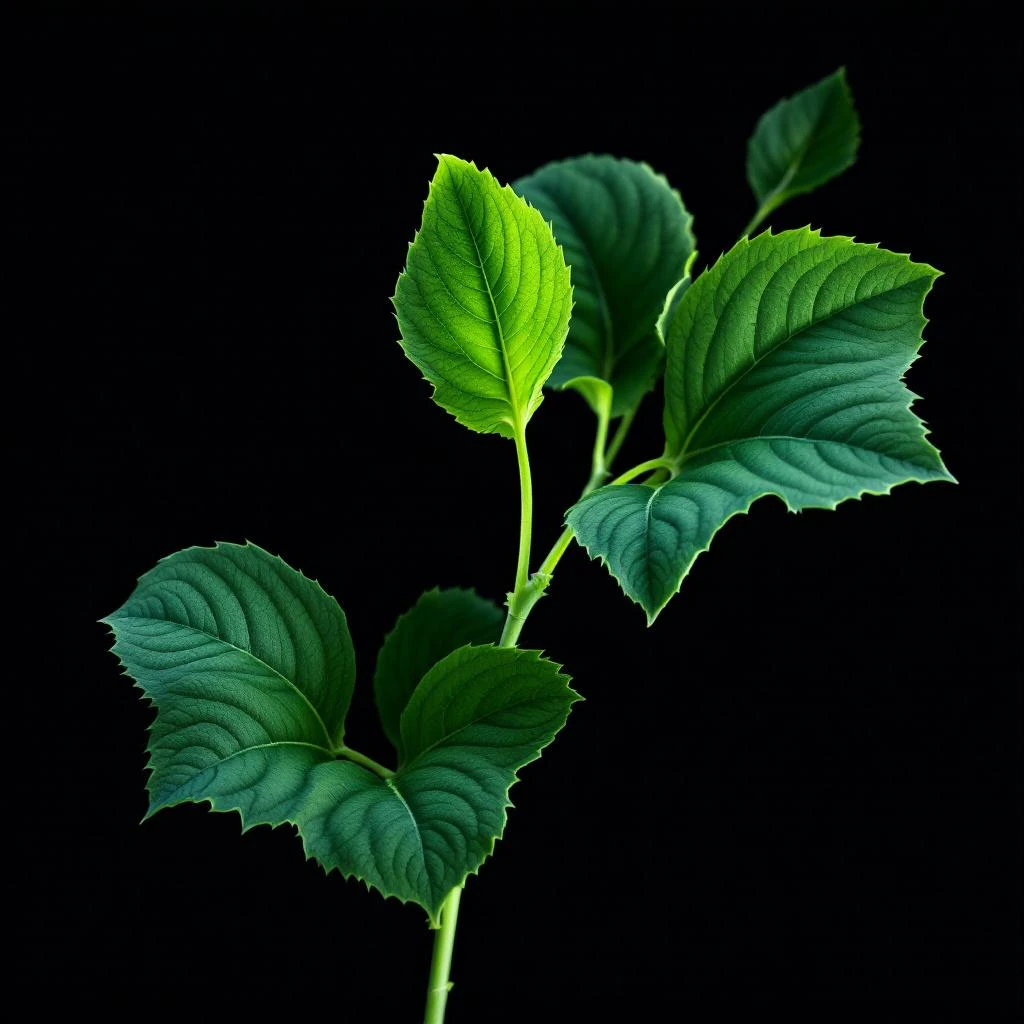
The leaf absolute of Viola odorata—green, dewy, slightly bitter and utterly distinctive from violet flower. A classic perfumery material with unexpected depth.
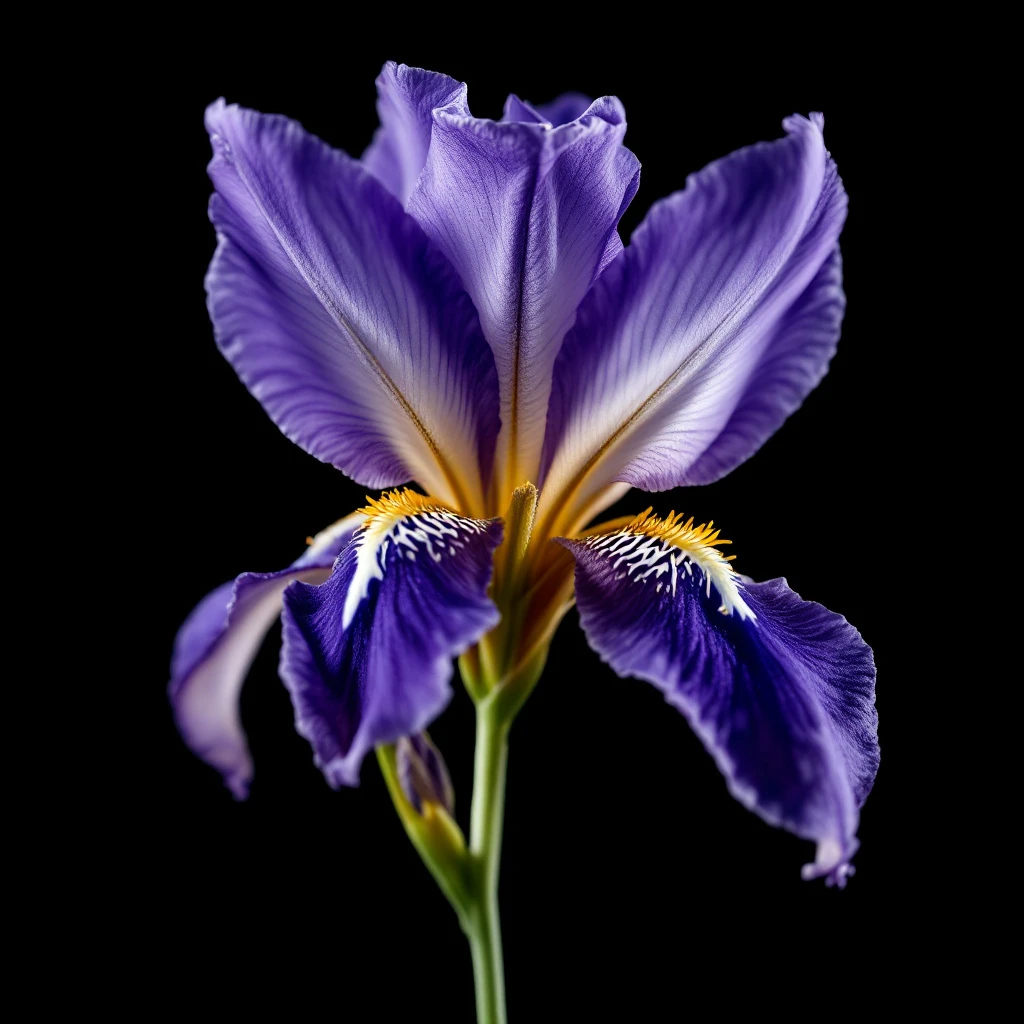
Character
How it smells
Leaf-derived violet, unlike any flower counterpart.
Violets are called "mute flowers" because their petals lack volatile aromatic compounds, so perfumers rely on the leaves for the true violet scent.





Origin
France
Violet cultivation expanded commercially in the 19th century when fields bloomed in Grasse, France for the first time in 1867. Perfumers initially used enfleurage to capture violet scent—a method where flower petals rested on cold fat, being replaced multiple times over 24 to 72 hours. The resulting pomade yielded only small amounts of absolute after alcohol washing.
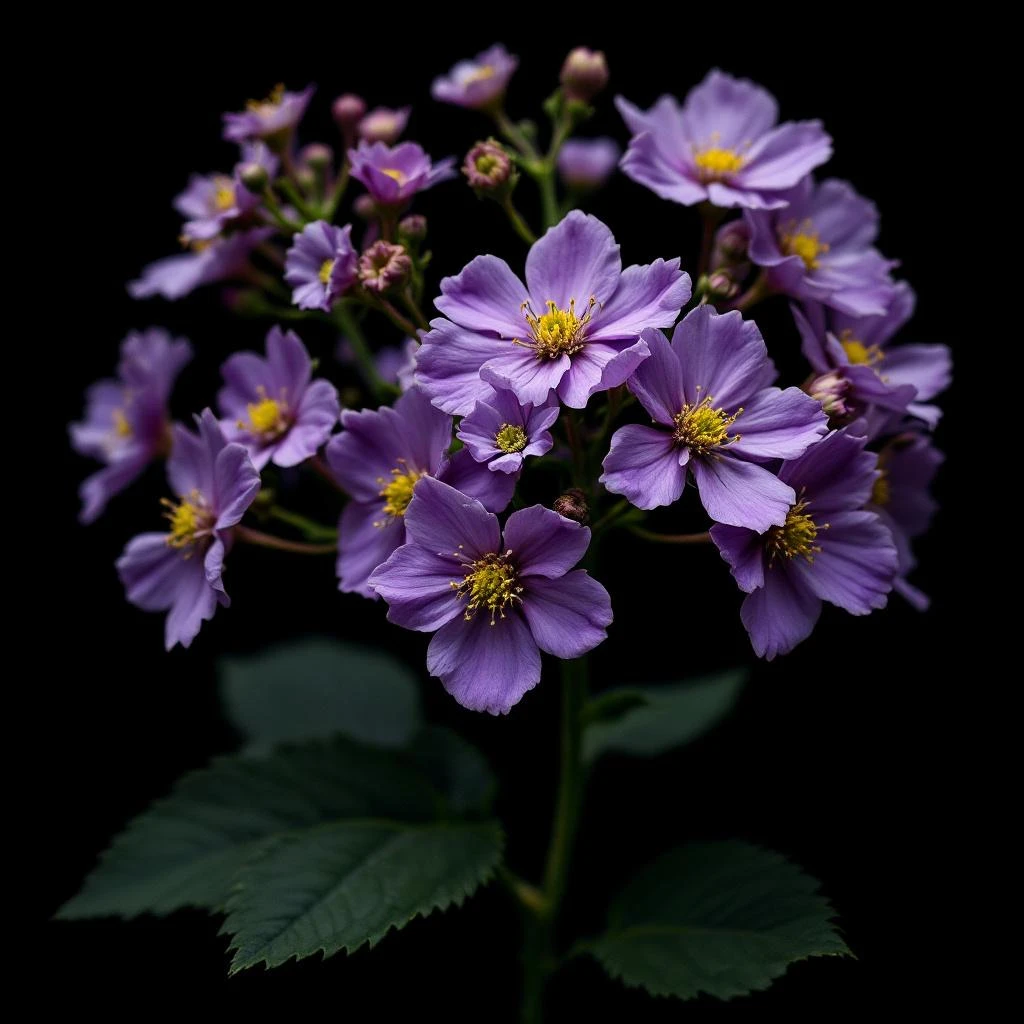
Italian perfumery adopted violet as a key material after Marie Louise, Duchess of Parma, wife of Napoleon, introduced it to court fragrance traditions. Queen Elizabeth I used water of violets created by her perfumer in the 16th century, demonstrating how far back violet's prestige extends. The plant's hooded flower shape, with one lower petal forming a tube, inspired the common name.
Though modern synthetic chemistry, particularly ionone compounds discovered in 1893, provided alternatives, violet absolute remained economically important throughout the 20th century and remains a sought-after material today.
Wears it best
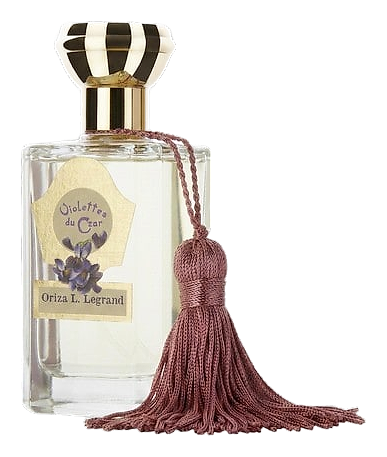
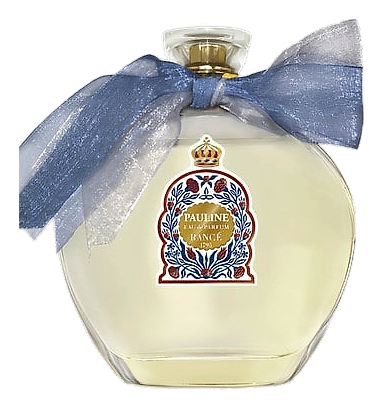
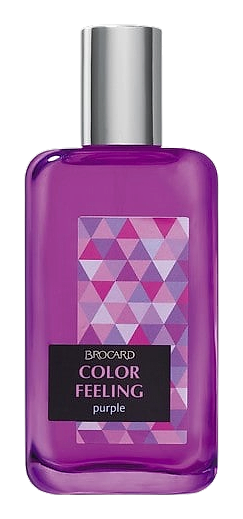
Fragrances featuring Hooded violet

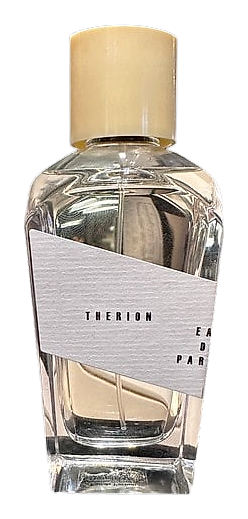

Brands
Brands known for Hooded violet
Good to know
Questions, answered
The essentials on Hooded violet in perfumery: how it smells, where it comes from, and how it behaves on skin.
What does hooded violet smell like?
Hooded violet offers a green, dewy, and slightly bitter aroma distinctly different from violet flower. It brings unexpected depth and a natural, slightly metallic edge that works well as a perfumery foundation.
Is hooded violet the same as violet flower absolute?
No. Violet leaf absolute (hooded violet) differs significantly from violet flower absolute. The leaf delivers green, dewy, and slightly bitter notes while the flower absolute provides a softer, more powdery floral character.
How is hooded violet extracted?
Producers use solvent extraction. Fresh leaves are washed with solvents like hexane to create a concrete, then treated with alcohol to yield the absolute. Steam distillation does not work because heat damages the delicate aromatic compounds.
Where does hooded violet originate from?
The material comes primarily from France, specifically the Grasse region, which has cultivated violets since 1867. Egypt and China also produce violet leaf absolute today.
Why is hooded violet considered a high-quality material?
French violet leaf absolute is widely considered premium because Grasse developed specialized knowledge and infrastructure for violet cultivation and processing over more than a century.
How scarce is hooded violet?
The yield is low. Approximately 1,000 kilograms of fresh leaves yield just 1 kilogram of absolute, making this a genuinely scarce material in the fragrance industry.
Why are violets called mute flowers?
Violets earned the nickname "mute flowers" because their petals contain almost no volatile aromatic compounds. Perfumers must extract the scent from leaves rather than flowers.
What is the historical significance of violet in perfumery?
Violet became a key material in Italian perfumery after Marie Louise of Parma introduced it to court culture. Queen Elizabeth I used violet water in the 16th century. Grasse began cultivating violets commercially in 1867.