The Story
Why it exists.
The beginning
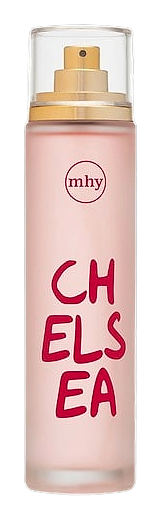
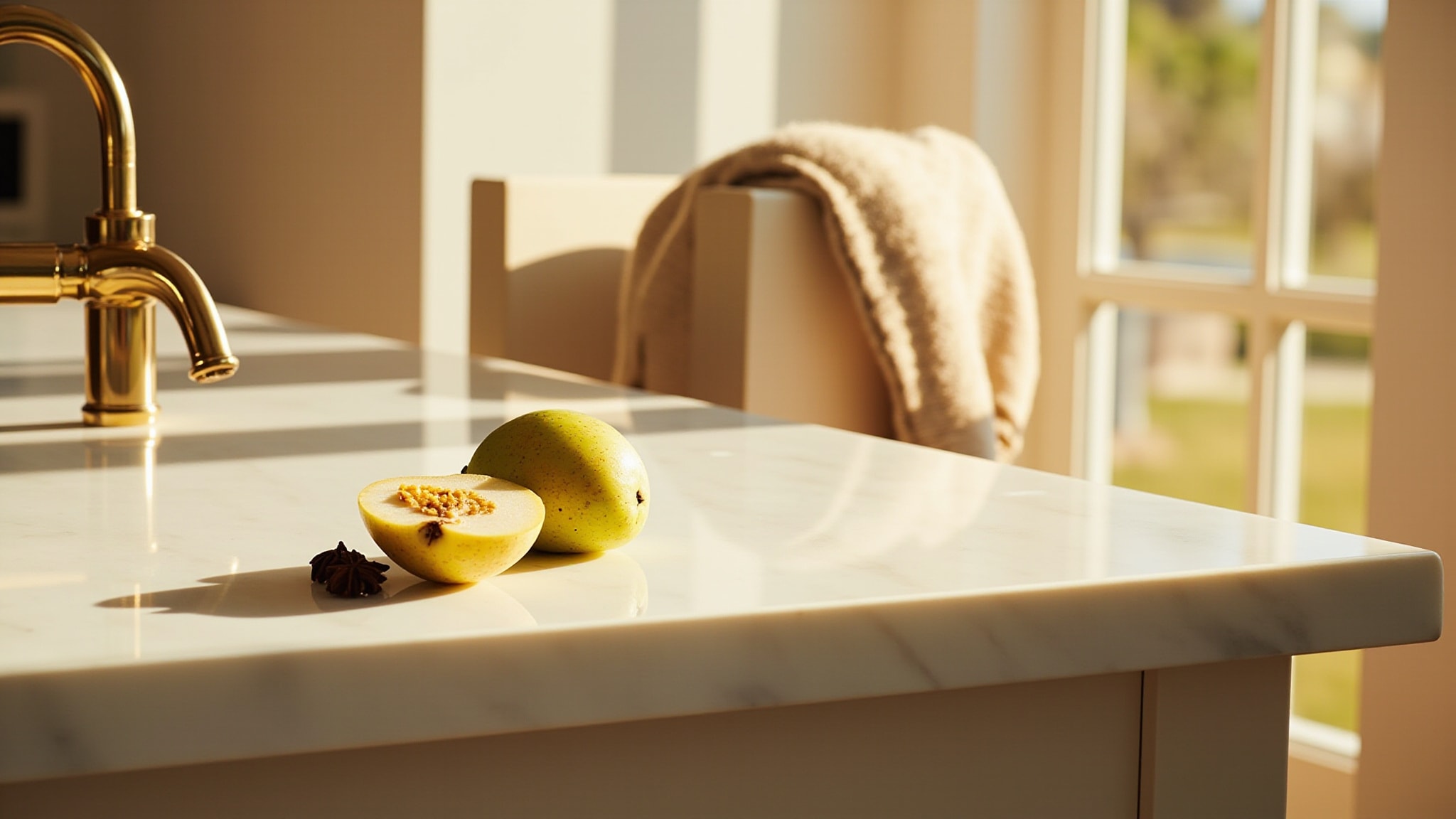
The name reads like a place, not a mood, and the composition matches that instinct: a flash of citrus and orchard fruit on a London afternoon, followed by something unapologetically indulgent underneath. Chelsea leans into brightness without tipping into the saccharine. There's a clarity to the opening that suggests the perfumer wanted the fruit to announce itself without shouting, and that restraint pays off once the composition settles into skin. The pear carries a juiciness that feels ripe rather than candied, while the blackcurrant adds a faint green tartness that keeps everything honest. Underneath that fruit, a creamier register starts to build, the kind of warmth you'd expect from vanilla but with an unexpected savory pull.
What separates Chelsea from the usual floral-fruity crowd is the anise-licorice axis running through the heart. Star anise and licorice sit at the center of the architecture, giving the fruit a dark, slightly bitter edge before the vanilla and tonka ever show up. That's where the composition earns its depth. The spice notes carry a complexity that pure florals can't replicate, and the base isn't an afterthought. It's a deliberate foundation: sandalwood and cedar for quiet structure, tonka and vanilla for the roundness that keeps everything from drifting.
The evolution
The first hour belongs to the fruit. Pear and blackcurrant crack open bright, almost tart, with the mandarin and lemon pulling everything toward a clean, sparkling register. Orange blossom drifts underneath, soft and honeyed, keeping the brightness from going sharp. Then the anise starts. It arrives quietly, almost like a suggestion of something herbal, before the licorice deepens it into a proper savory-sweet tension. Jasmine and gardenia rise to meet it, creamy and full. Osmanthus adds its particular apricot-leather warmth, a note that sits somewhere between fruit skin and suede, lending an almost edible texture to the midphase. By hour three, the fruit is gone but the spice isn't. What's left is a cloud of vanilla, tonka, and sandalwood, with the licorice still humming underneath. The cedar grounds everything into something close to skin.
Cultural impact
Chelsea occupies an interesting position in the floral-fruity category, not because it breaks rules but because it bends them. The anise and licorice give it a savory-sweet tension that the usual fruit-and-vanilla formulas don't attempt. Wearers who reach for Chelsea tend to be people who want something in the sweet lane but aren't satisfied with the standard gourmand playbook. It's a composition that rewards attention, asking you to notice how the fruit softens into the spice, how the spice gives way to a base that feels less like a finish and more like a second beginning.