The Story
Why it exists.
The beginning
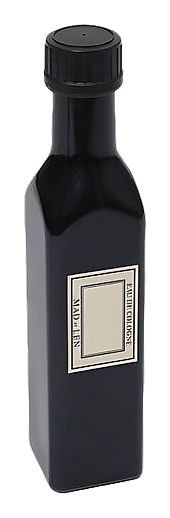
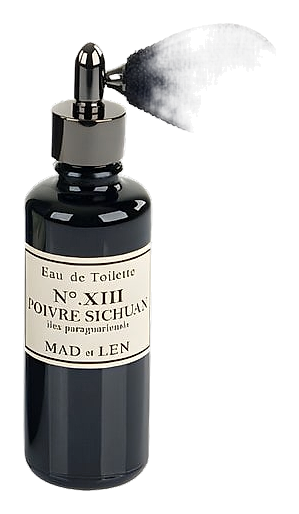
No. XIII Poivre Sichuan arrived in 2010 from Mad et Len, a French house. The scent treats a single botanical, Sichuan pepper, as the entire structural idea, then builds a composition around its peculiar chemistry. Unlike black or white pepper, Sichuan pepper doesn't burn. It tingles, numbs, produces a citrus-like vibration on the tongue and skin. Mad et Len leaned directly into that sensation rather than softening it. The result is a fragrance that reads as spice without heat, freshness without sweetness, something categorized as both pepper and citrus without belonging fully to either camp. The decision to stake an entire composition on one ingredient with such an unusual physiological effect sets the work apart from anything built around conventional peppercorns.
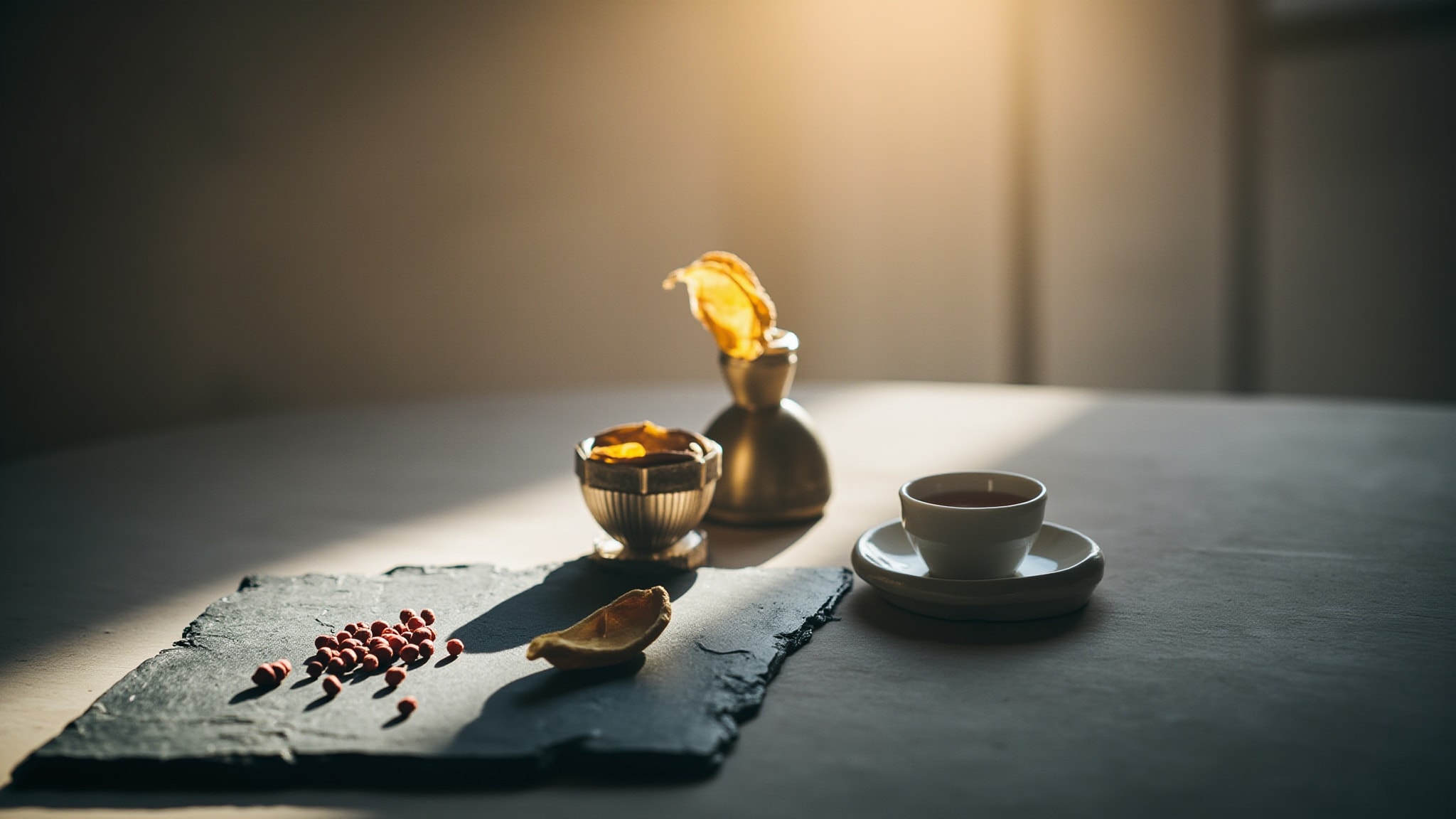
What makes the composition unusual is the absence of compromise. Most pepper-forward fragrances build warmth around the spice, cushioning the impact. This one leaves the pepper exposed and uses lemon, citrus, and tea to sharpen it further. Earl Grey tea appears as a reference point, its bergamot edge already built into the Sichuan pepper's own citrus facet. Nothing in the structure explains itself away. The composition stays committed to a narrow band of sensation from first spray to final fade.
The evolution
The opening lands fast and sharp. There's a fizz to it, almost electric, as if the Sichuan pepper is still vibrating against the skin. Lemon and citrus lift the effect into something brighter, less culinary, more like cold water splashed on a hot afternoon. The first fifteen minutes feel almost like a cologne, clean and immediate, with the pepper's numbness more felt than smelled. Around the thirty-minute mark, the tea emerges. The composition darkens slightly, takes on a tannic, steeped-leaf quality. The brightness recedes but never disappears. The middle phase settles into a steady, composed rhythm, holding its shape with little shift in character. By hour four, the woody notes become the dominant voice. The tea has dried down into something closer to the leaf at the bottom of a cup, and the pepper lingers as a faint, dry hum rather than an active spice.
Cultural impact
No. XIII Poivre Sichuan occupies a particular place in the catalog of single-note and ingredient-driven fragrances. Wearers tend to describe the experience in tactile terms, focusing on the pepper's tingling, almost anesthetic quality as much as its aroma. The scent gets noted for its clarity and its refusal to round itself off with warmer, sweeter base notes. That directness gives it a specific kind of appeal among listeners who value structure and intent over immediate crowd-pleasing effect.