


Heritage
A house, in its own words
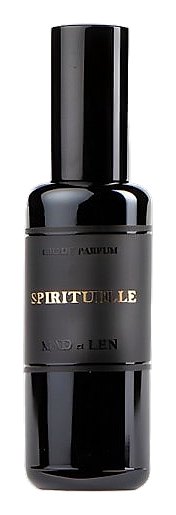
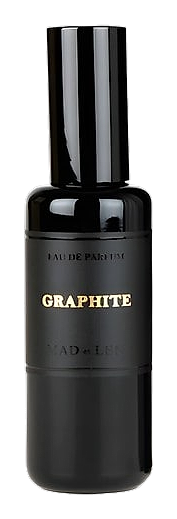
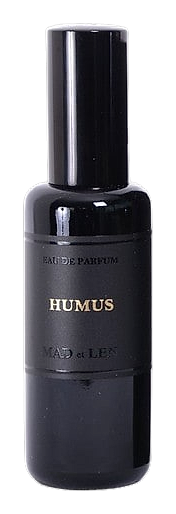
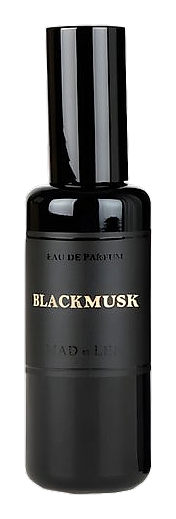
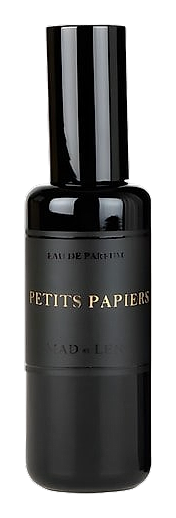
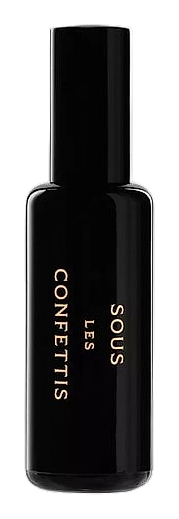
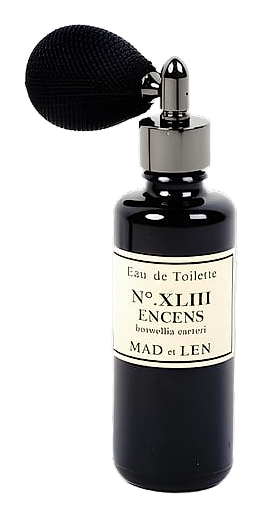
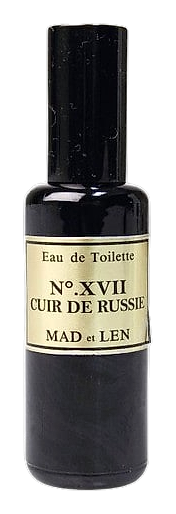
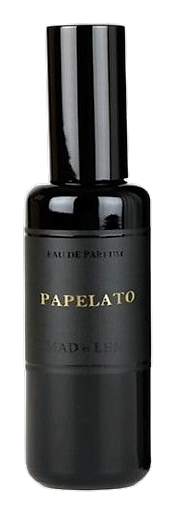
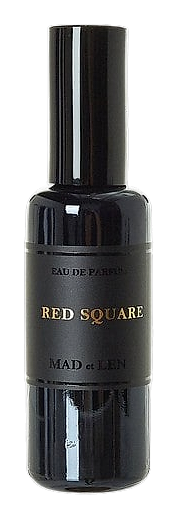
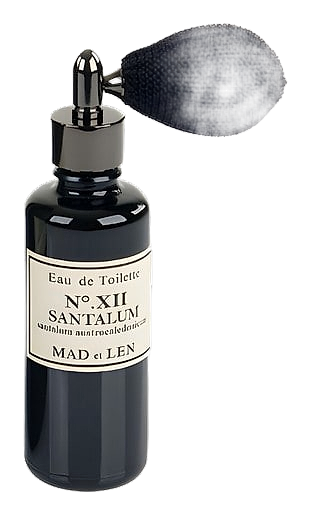
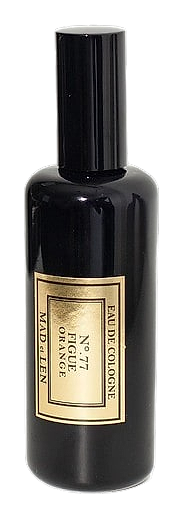
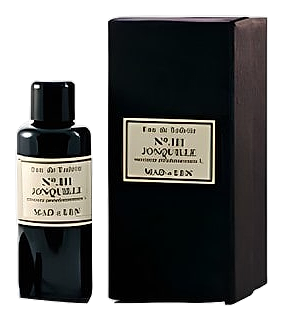
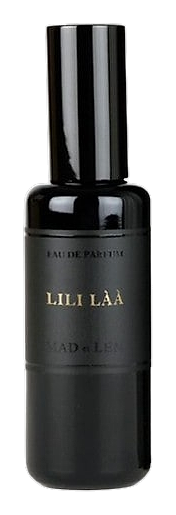
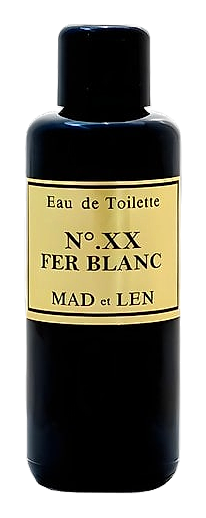
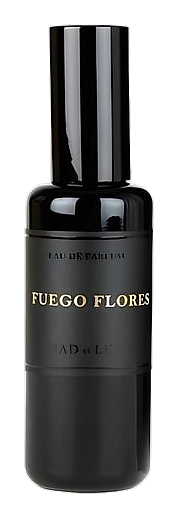
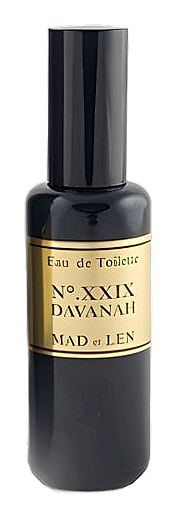
In 2007, Sandra Fuzier and Alexandre Piffaut abandoned careers in Paris to establish a different kind of fragrance house. The couple moved from the capital to a small village in the Alpes de Haute-Provence, seeking to escape office life and build something more tactile. The name Mad et Len carries deliberate weight. In French, "mad" suggests a certain obsession or unconventionality, while "len" conveys deliberation and unhurried care. Together, they read as a declaration of intent. The founders built their workshop in one of France's most aromatic regions, where lavender fields, wild herbs, and Mediterranean scrub provide raw materials and constant inspiration. Their early years involved considerable experimentation with techniques rarely used in contemporary perfumery. They worked with handcrafted iron vessels, hand-blended their formulations, and operated at a scale that prioritized craft over output. By 2010, Mad et Len had released a significant body of work, including the No. series and pieces like Sed Non Satiata, Graphite, and No. XII Santalum. These early creations established the brand's identity within niche perfumery. The transition from home fragrance to fine perfume happened gradually, reflecting the couple's deepening engagement with the art. Their work found its audience through specialty retailers and fragrance communities that valued artisanal integrity over commercial reach. The 2018 release of Petits Papiers and the 2024 launch of Sous les Confettis demonstrate continued evolution while maintaining their founding principles. Mad et Len has never sought industry validation or conventional positioning. They remain a small, independently operated house guided by the founders' original vision. Mad et Len builds its creative approach around seasonal rhythms and regional identity. The founders work with what their immediate landscape provides rather than pursuing global sourcing networks. This method means accepting natural variation. Ingredients available in spring differ from those in autumn, and the resulting scents carry these differences. The workshop sits in the Alps, and the founders describe their environment as the primary source of inspiration. Rather than working from abstract concepts or market research, they draw directly from their surroundings. The landscape shapes their palette. This grounding in place rather than abstraction defines their philosophy. The brand rejects the standardization expected in commercial fragrance. They do not reformulate for consistency or chase seasonal trends. Each batch reflects the specific ingredients available at the time of production. Customers who understand this approach appreciate that their scent may vary slightly depending on when it was made. This is not a flaw but a feature. Mad et Len believes fragrance should feel alive rather than manufactured. Their approach requires patience from both the makers and the wearers. The founders embrace constraints as creative conditions. Limited production runs force deliberation over every decision. Small-scale operations demand direct involvement from the people who created the brand. There is no separation between the vision and the execution. Mad et Len remains an artisanal operation in the fullest sense. The founders still personally oversee production in their Provencal workshop, maintaining the hands-on approach that defined the brand from its beginning.