The Story
Why it exists.
The beginning
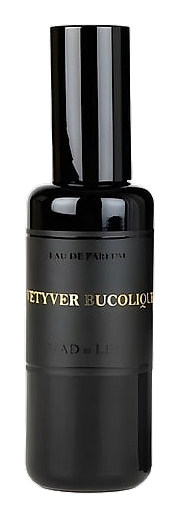
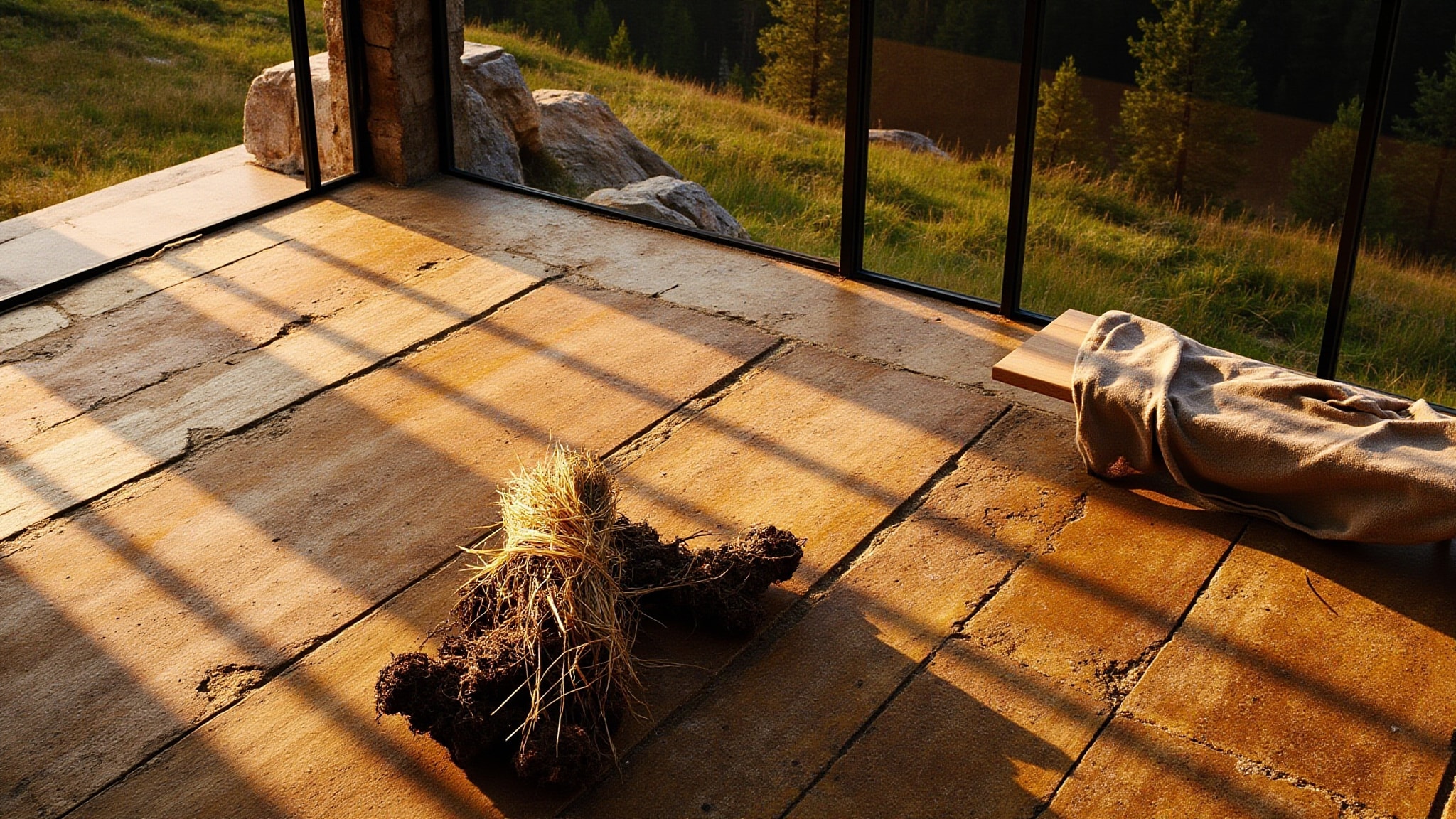
Vetyver Bucolique was born from the landscape itself. In the Alpes de Haute-Provence, where wild herbs and lavender fields supply the workshop, the founders needed a fragrance that could hold the weight of the region. Vetiver became the answer. Dark, earthy, almost mineral in its depth. Hay followed naturally, a direct reference to the Provencal countryside. Honey and tobacco brought warmth and a certain abandon. The name made it official: bucolique means pastoral, countryside, rooted in the land. Not a romanticized version of nature, but the real one. The one that smells like animals and cut grass and something fermenting in the heat.
What makes Vetyver Bucolique interesting is what it does with vetiver. Most fragrances soften it, sweeten it, make it polite. Here the vetiver arrives almost raw, with a green, smoky quality that reads more mineral than woody. Hay amplifies this. The combination creates something that smells genuinely agricultural, not aestheticized. Honey could have softened it into a sweet fragrance, but instead it goes dark and boozy, like something fermented rather than distilled. Tobacco threads through as a bridge, green at first, then deepening into something richer as the drydown approaches. The result is a fragrance that smells like the Provencal countryside without romanticizing it.
The evolution
The opening announces itself immediately. Dark vetiver and hay, green and almost bitter, with a fermented quality that hits like walking into a barn on a hot day. Honey arrives within minutes, but it doesn't soften the composition. It thickens it, adding a boozy, almost saccharine weight that plays against the vetiver's mineral edge. The first 30 minutes are the most challenging and the most interesting. The heart takes over gradually, and the transition is where the fragrance earns its name. Hay becomes more present, less green and more aromatic, like dried stems left in the sun. Tobacco deepens, moving from green and fresh to something richer and more resinous. Honey remains throughout, never quite sweet, more textured than sugary. The drydown is where vetiver proves its staying power. The smoky, earthy quality persists while the herbal notes fade into something quiet and intimate. Sillage moderates after the first hour, settling to close and personal rather than room-filling.
Cultural impact
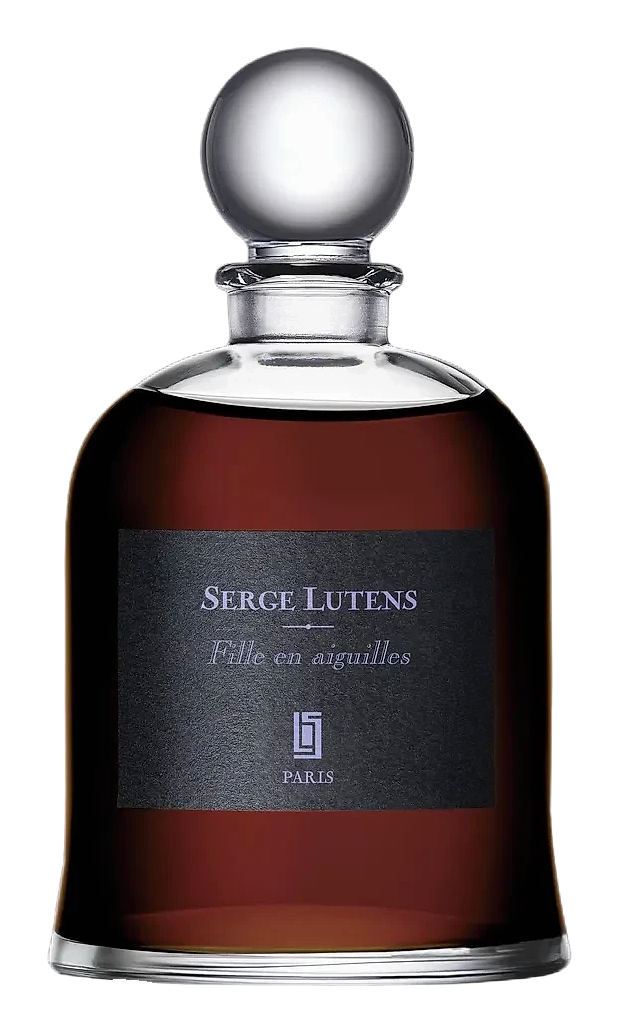
Within the niche fragrance world, Vetyver Bucolique occupies distinct territory. It reads more agricultural than most artisanal fragrances, which tend toward the botanical or the poetic. The boozy, fermented quality of the honey and the genuine green character of the hay push it toward something raw rather than refined. Wearers describe it as polarizing in the best way, the kind of fragrance that sparks conversation not because it smells unfamiliar but because it smells like nothing else they've encountered. It has more in common with Serge Lutens Fille en Aiguilles than with typical vetiver fragrances, sharing that dry, aromatic quality while going darker and more barn-like.