The Story
Why it exists.
The beginning
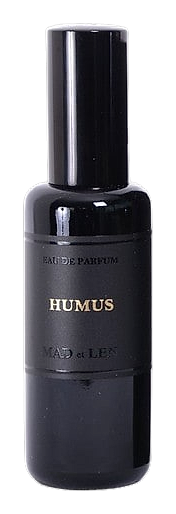
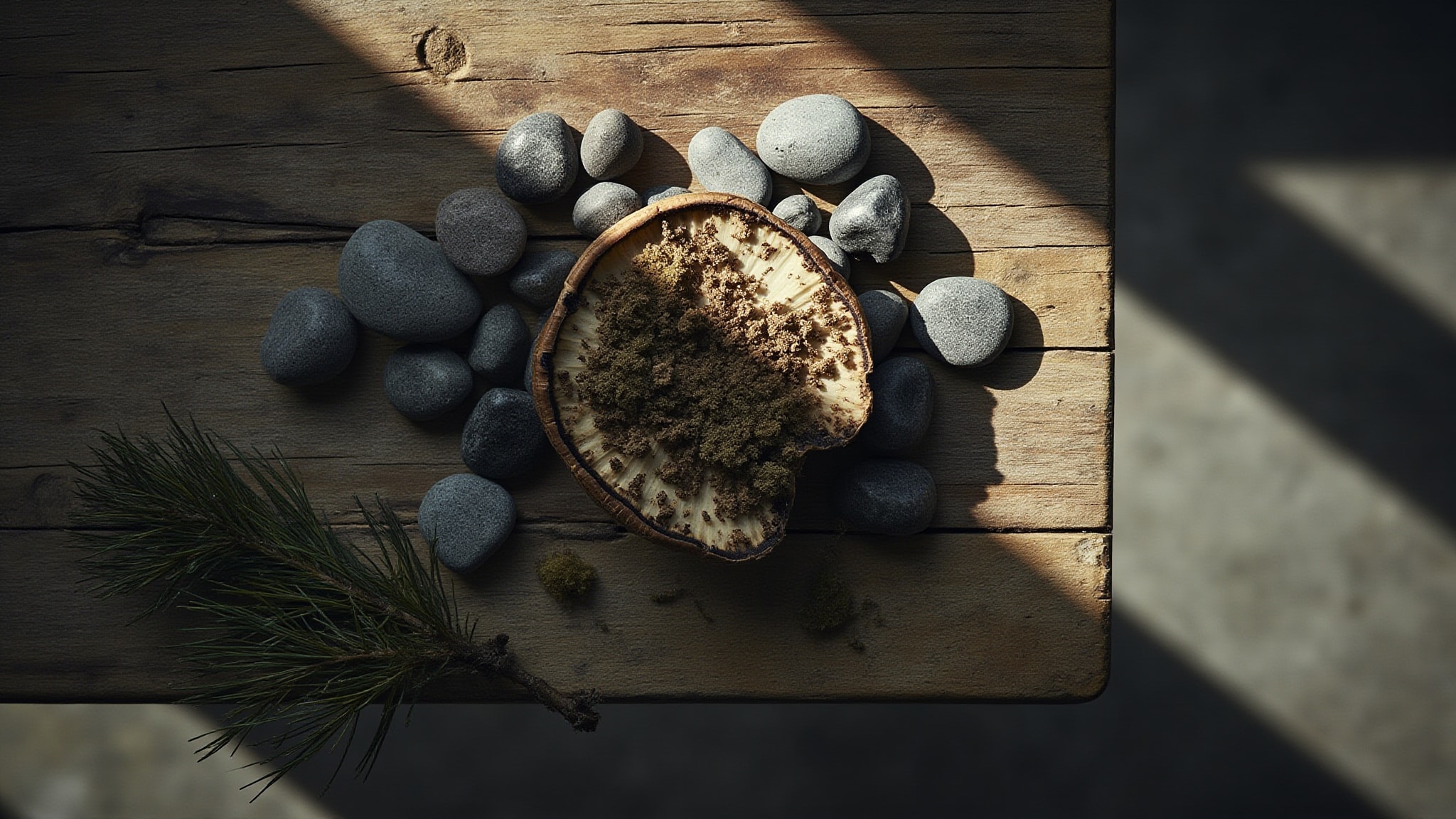
Mad et Len built their workshop in the Alpes de Haute-Provence where the landscape is not scenery but material. When they began working on Humus, they started with what stood outside the door: the damp earth after autumn rain, the oakmoss creeping up the trunks, the porcini pushing through the soil. The name was not a metaphor, it was a description. Humus is the organic matter that feeds the forest. The fragrance translates that layer of the forest floor into something wearable.
The pairing of violet root with boletus edulis is unusual, one mineral and faintly sweet, the other savory and deep, like the difference between a truffle and a mushroom. Neither is a conventional perfumery material. Together they create a chord that reads as earth without sweetness, forest without florals. Oakmoss has been a cornerstone of French perfumery for decades, but here it grows wild, unchecked by the usual restraint. Pine and vetiver in the base keep the composition rooted in conifer, resinous, slightly sharp, never warm.
The evolution
The opening is immediate: violet root arriving dry and mineral, almost chalky, like wet clay on skin. Within minutes the boletus emerges, not mushroom as ingredient but mushroom as atmosphere, the way the forest smells when you turn over a log. The oakmoss spreads quietly, covering everything in green-grey damp. Two hours in, the pine arrives, sharp, sap-heavy, cutting through the earth like light through canopy. The vetiver follows, dry and woody, pulling everything toward the ground. By hour six, what remains is a quiet mineral warmth on skin, not clean, not sweet, just present. The next morning, there's a faint trace on fabric that smells like a forest you've already left.
Cultural impact
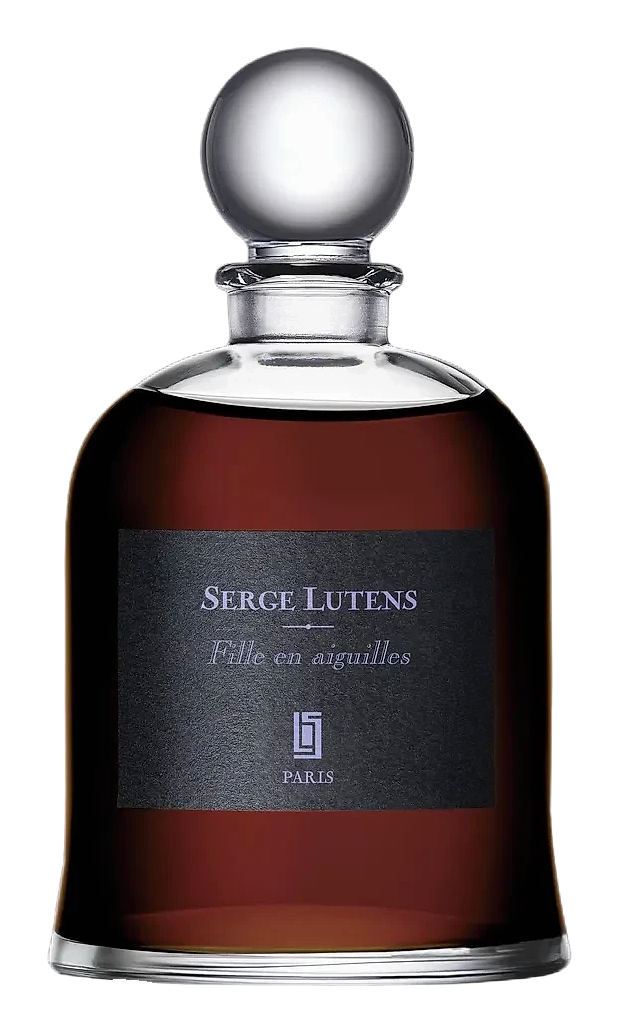
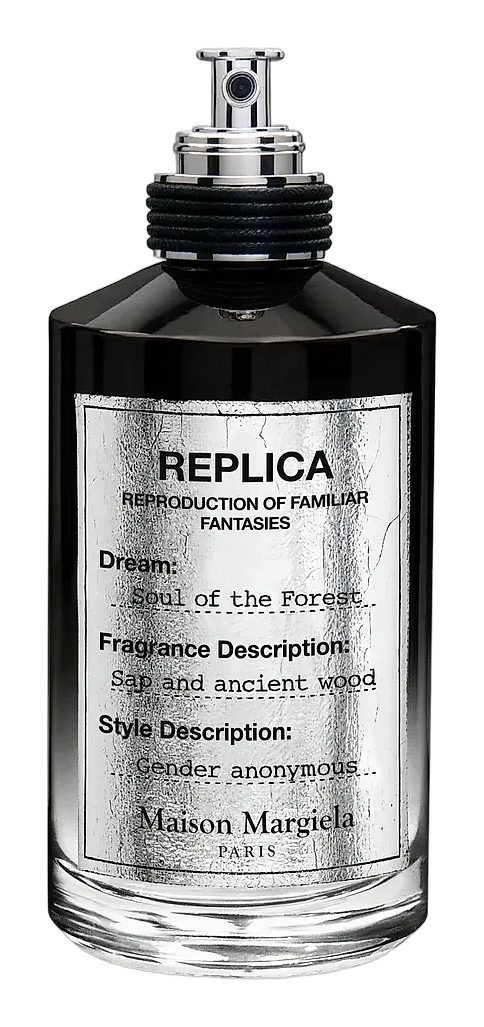
Humus occupies a specific corner of niche perfumery, the atmospheric, the territorial, the deeply place-specific. Wearers describe it as the scent of someone who walks into a forest and doesn't announce themselves. It shares territory with compositions like Serge Lutens' Fille en Aiguilles and Maison Martin Margiela's Soul of the Forest, fragrances that prioritize atmosphere over appeal. But Humus goes further into earth and decay than most of its peers, using boletus edulis and violet root in ways that feel less like ingredients and more like specimens. The fragrance has found its audience among people who seek the smell of a specific moment, not a memory of a forest, but the forest itself.