The Story
Why it exists.
The beginning
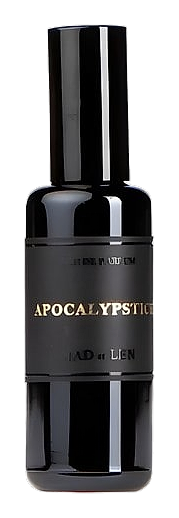
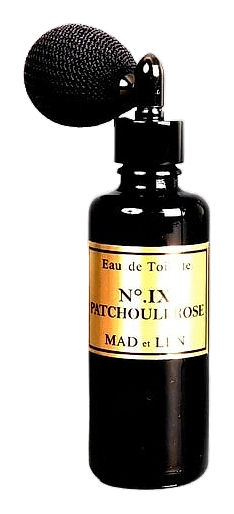
No. IX Patchouli Rose arrived in 2007, and in a catalog that prizes restraint, it remains one of its most direct statements. The scent reads almost as a manifesto for what the brand would become: two raw materials, no apology, no sweetener. Rose and patchouli, a pair perfumers have returned to for over a century, treated here with a kind of editorial severity. No bright citrus to lift it. No vanilla cushion underneath. What remains is a composition that refuses to soften itself, a study in what happens when a formula commits fully to its own gravity rather than reaching for broader appeal. The intent feels deliberate, almost architectural, as if every unnecessary note were sanded away to leave only what the materials themselves want to say.
The choice to lead with patchouli alongside rose, rather than letting rose dominate, gives the composition its particular weight. The patchouli brings an earthy, slightly bitter edge that reads as raw soil and woodsmoke, while the rose gives up its powder and its sweetness entirely, sinking down into the dark register rather than floating above it. What remains is warm, faintly resinous, and edged with something animalic that keeps the blend from ever feeling polite. The accords confirm the lean: smoky, earthy, animalic undertones, with a resinous backbone that doesn't soften with time.
The evolution
On skin, the opening arrives without ceremony. The patchouli swells first, earthy and slightly camphorated, like soil after rain. The rose doesn't bloom so much as unfurl sideways, keeping low, mixing directly into the patchouli's dark register rather than lifting above it. Within the first 30 minutes, the two have already braided together and the fragrance has settled into its core character: warm, smoky, faintly resinous, with a mineral edge that reads more stone than wood. As hours pass, the patchouli softens, losing some of its bitter top edge and settling into a warmer, more rounded earthiness. The rose becomes harder to detect individually, but its density stays woven through everything. The drydown leans into a balsamic, woody territory: dry woodsmoke, a touch of something animal, a faint sweetness that could be dried fruit or could be skin.
Cultural impact
No. IX Patchouli Rose sits in a small tradition of rose fragrances that refuse to flatter. Within Mad et Len's catalog it reads as one of the most uncompromising, a scent that chose its raw materials and didn't negotiate. The composition rewards a certain kind of attention, the sort that values texture and mood over immediate charm. Wearers tend to describe it in terms of presence rather than performance, noting how it reads as dark, dense, and floral-adjacent without ever crossing into prettiness. The dry, smoky character makes it a natural fit for cooler weather and quieter settings, where its resinous backbone has room to register.