The Story
Why it exists.
The beginning
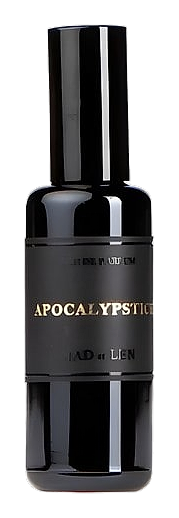
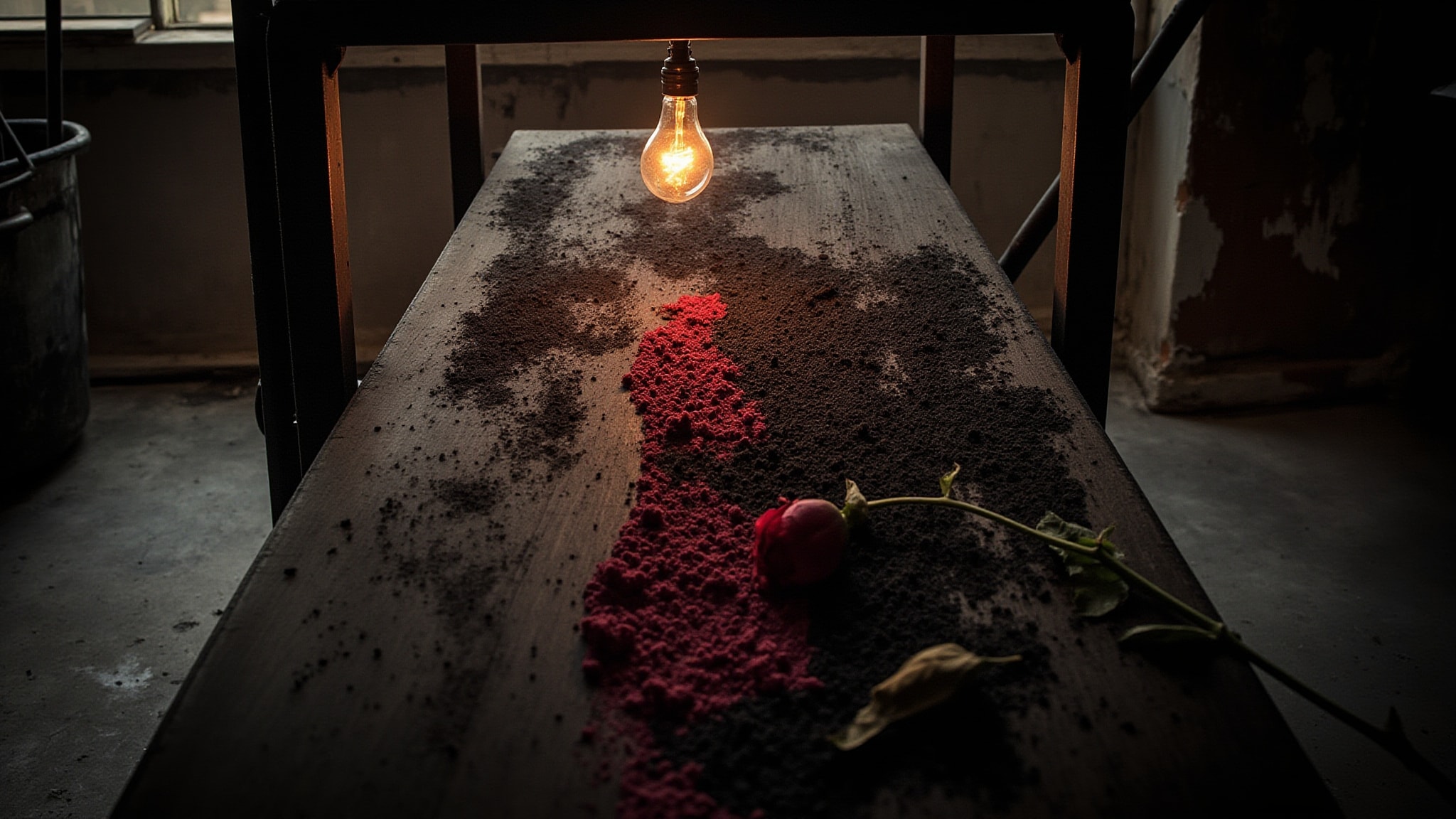
Mad et Len built its reputation on apothecary traditions and rough-hewn craftsmanship, a philosophy carried through every object the house produces, from its carved shelving to its packaging that reads like stone rather than paper. The house operates out of a converted building where nothing feels mass produced and everything feels pulled from the earth. Apocalypstick arrived as one of their most striking compositions, built on a deceptively simple accord: rose and asphalt, the kind of pairing that sounds wrong until you smell it. The flower brings softness and something almost powdery and bruised, while the asphalt note drags everything into territory that is mineral, oily, and faintly toxic.
The house approaches every formula with an unromantic, mineral clarity, sourcing raw materials that resist prettiness. They gathered charred woods, resins warmed until they turned gummy and black, and aromatics that lean more toward earth and soot than toward anything traditionally floral. The lipstick reference runs through the composition like a thread of waxy pigment, the kind of cosmetic warmth that you remember from a vintage compact rather than from a modern department counter. Apocalypstick sits squarely at the intersection of glamour and ruin, a perfume about burned beauty.
The evolution
When Apocalypstick entered the Mad et Len catalog, the niche community initially read it as a curiosity, a smoky outlier in a lineup already stuffed with unusual entries. Early wearers tended to be collectors who already owned several mainstream smokers and wanted something rawer, less polished, more mineral. Over the following years, the fragrance developed a near-cult following among fragrance hobbyists, particularly those drawn to ashen and metallic profiles. By the time the 2020s arrived, Apocalypstick had become a reference point in discussions of extreme smoke-forward niche perfumery, and its reputation only deepened when the house reissued several of their earlier entries in darker presentation, emphasizing the aesthetic the line had always pursued.
Cultural impact
Apocalypstick carved out its own lane in a fragrance world that often defaults to sweetness, offering something that refused to flatter the wearer in any conventional sense. Where many houses chased gourmand softness or crowd-pleasing ambroxan, this composition leaned into soot and scorched floral as serious materials. The rose note in particular prefigured a wave of subsequent releases that played with the idea of ruined flowers, dried petals, and florals pitched as something other than fresh.