The Story
Why it exists.
The beginning
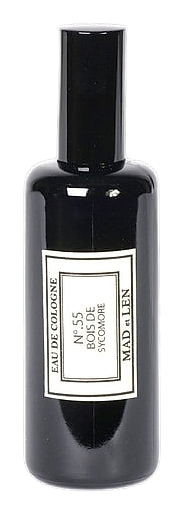
Bois de Sycomore takes its name from the sycamore tree, and the entire composition circles back to that single idea. The scent is built around sycamore wood as both starting point and anchor, with the material itself doing most of the talking. The listed notes are sycamore, patchouli, benzoin, and a wash of spice, and the composition never strays far from that core. Stripped back. No floral distractions, no citrus to cut through. Just the raw material and the resin that holds it together, held in tension by an unassuming thread of warmth underneath. The woody character dominates the opening without ever feeling blunt, settling quickly into something quieter and more considered. Production appears to have been discontinued, which only adds to its quiet scarcity in the wild.
What makes this composition interesting is its refusal to decorate. The sycamore appears in both the opening and the heart, anchoring the entire structure with its pale, papery grain. The patchouli threads through every phase, shifting from a faint earthiness at first impression to something denser and more humid as the hours pass. The benzoin is less a base than a binding agent, a warm resinous hum that makes everything cohere without ever announcing itself. The spice sits somewhere in the background throughout, a flicker of something almost smoked that keeps the wood from feeling static.
The evolution
On skin, the opening is the most revealing. The sycamore reads almost green, vegetal, like leaves crushed between fingers or the pale underside of bark in low light. There's a rawness to it that feels close to the source, as though the wood hasn't been dressed up to appeal to a wider audience. The spice sits underneath, warm but not sharp, more suggestion than statement, a soft current that warms the wood without competing with it. As the hours pass, the patchouli asserts itself. Not the soapy, sweet patchouli of mainstream fragrances. This is the dark variety, rooty and cold-blooded, the kind that smells of turned earth after rain or the floor of a forest in late autumn. It has a mineral quality too, something almost metallic at the edges. The benzoin surfaces gradually, bringing a low, honeyed warmth that softens everything without making it sweet, more of an undertow than a top note.
Cultural impact
Bois de Sycomore wears as a niche find for people drawn to dry, stripped-back compositions that prioritize material clarity over immediate appeal. It's a patchouli for the other direction, rooty and meditative rather than sweet and ambery, and the kind of scent that rewards close attention rather than projecting across a room. The sycamore-anchored simplicity gives it a character that stands apart from compositions that build their identity around sweetness or projection. The apparent discontinuation has deepened its quiet reputation, turning what was already a small-batch curiosity into something harder to find and easier to romanticize.