The Story
Why it exists.
The beginning
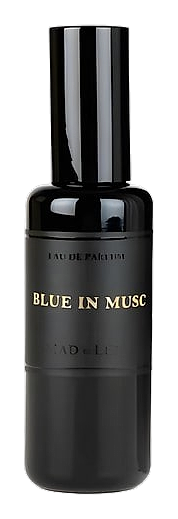
Blue in Musk arrived in 2016, a composition that does very little and lets the little speak. The fragrance reads as an exercise in restraint, a study of what happens when a perfumer lets wood and a botanical musk do all the talking. No citrus sparkle to announce itself, no spice to perform. Just three notes resting against each other with the patience of things that don't need to be louder than they are. Ambrette does the quiet work here. It carries the warmth and softness that recalls musk in its most intimate form, the kind of scent that lives close to skin rather than projecting outward. Oak wood provides a dry, slightly resinous grain beneath it, while cedar lays down a cooler, more structural layer that keeps the composition from collapsing into pure roundness.
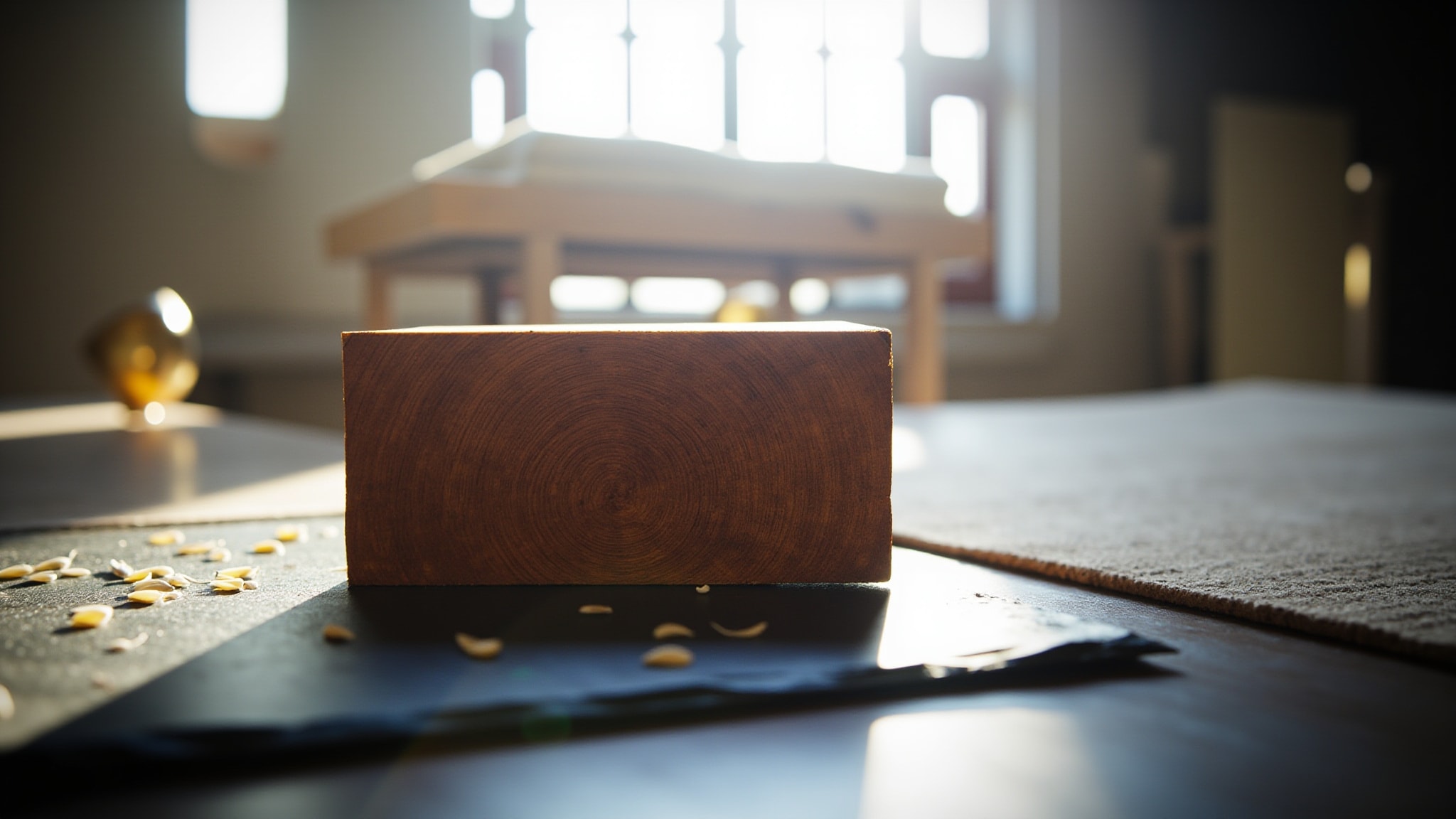
Ambrette is the quiet star. Known as musk mallow, the plant seeds yield a compound with a warmth and skin-like softness that recalls animal musk without any of its weight. It carries a faintly sweet, almost fruity undertone, which is why the accord registers as woody-sweet rather than simply dry. On skin, that sweetness shifts and breathes, never sitting still long enough to feel like a fixed note. Oak wood and cedar anchor it. Together they create the texture of a forest floor at the edge of late afternoon, something structured but breathable.
The evolution
The first fifteen minutes are the sparsest Blue in Musk ever gets. A faint breath of cedar, cool and clean, with something faintly sweet curling underneath. The ambrette hasn't fully woken up yet, so the opening reads almost clinical, like the air inside a well-kept wooden box. Patience is required here. After thirty minutes the ambrette arrives properly. It lifts the wood off the skin and gives it a warm, slightly fuzzy edge, almost skin-like, the way clean cotton smells against a warm body. The sweetness is there now, but it's understated: pear-skin and warm grain rather than dessert. This is the heart, and it's where most of the wear happens. By hour four the cedar recedes further and the oak wood takes over as the backbone. The ambrette has merged with the skin by now, becoming less a note and more a presence. What remains is a close, dry, woody softness that projects only inches from the body, the way good cologne used to mean. On clothes the next morning there's still something there: a faint powdery wood, a memory of warmth, polite and persistent.
Cultural impact
Blue in Musk has carved out a particular kind of following, the sort of people who prefer their fragrance to register at close range rather than fill a room. Its restraint places it in conversation with a growing current in perfume that values understatement, where botanical musks and natural woods stand in for louder compositions built around projection and spectacle. The note pyramid is small, the materials few, and the whole thing leans on the kind of confidence that doesn't require volume to be felt. What tends to attract people to a scent like this is the same thing that tends to repel others: the refusal to perform.