The Story
Why it exists.
The beginning
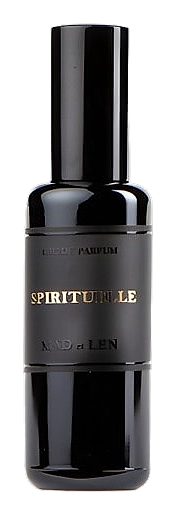
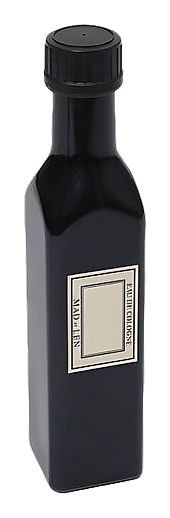
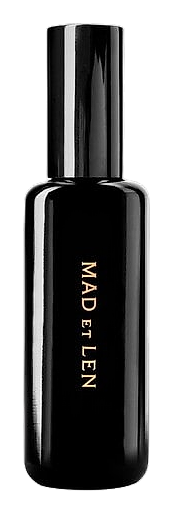
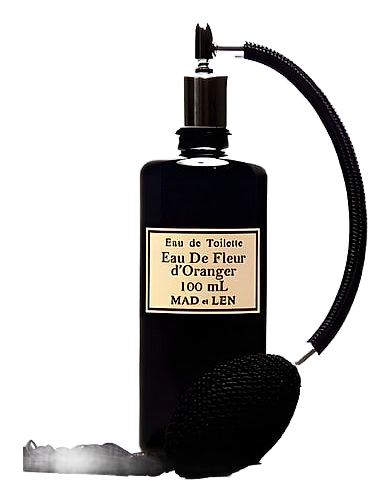
Some fragrances try to be a bouquet. This one refuses. Eau De Fleur d'Oranger, released in 2010, is a wager that a single ingredient, handled with conviction, can carry a whole composition. The fragrance lists no top notes, no middle, no base. Just orange blossom. One botanical, given room to speak in its full register: the honeyed sweetness, the sharp green stem, the almost-fetid depth that the flower carries underneath. It's a rare composition that asks the molecule to do everything and then trusts the molecule. Orange blossom has a reputation for being pretty, which usually means it's been dressed up for the occasion. Mad et Len's version skips the wardrobe entirely.
What's interesting is what gets left out. The fragrance strips away the usual supporting cast and offers a single material, African orange flower, without mediation. The result is a composition that exposes orange blossom's full spectrum: the bright citrus top, the waxy floral heart, and the slightly dirty undertone that newer wearers sometimes mistake for gone-off milk. That indolic, soapy-celery edge is not a flaw. It's the actual flower, presented without editorial filter.
The evolution
The opening hits immediately and doesn't apologize for it: sharp, honeyed orange blossom with a green celery-stem bite, the kind of brightness that makes you blink. It reads almost confectionery at first, candied peel and orange-flower water over warm sugar. The soap accord arrives within ten minutes, pulling the sweetness into something cleaner, almost laundry-fresh. This is the phase most people associate with the fragrance, and it lasts well past the first hour. The soapy clarity has a particular texture, almost like the moment a bar of unscented soap meets hot water, that powdery, squeak-clean sensation that sits just on the skin. But the drydown earns its reputation. The soapy top slowly gives way to a denser, waxy warmth, and that animalic edge the accords promised starts surfacing. It smells like warm skin now. Not perfumed skin. Just skin.
Cultural impact
Orange blossom has occupied a particular corner of perfumery for as long as perfumery has existed, but its treatment varies wildly. The absolute, the neroli expression, the petitgrain distillation from the leaf and twig, each captures a different facet of the same tree. Most modern compositions treat the note as a structural element, a brightness to lift heavier florals, a clean top to balance dirty musks, a reference to freshness that reads instantly across a crowded room. Mad et Len's version refuses the supporting role entirely. There's no lifting, no balancing, no reference.