The Story
Why it exists.
The beginning
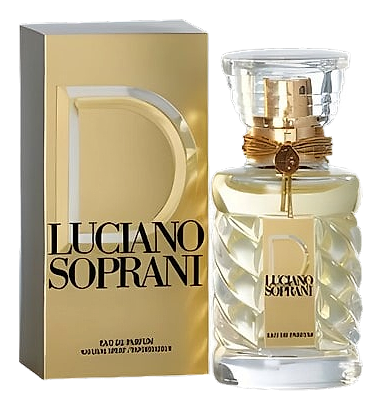
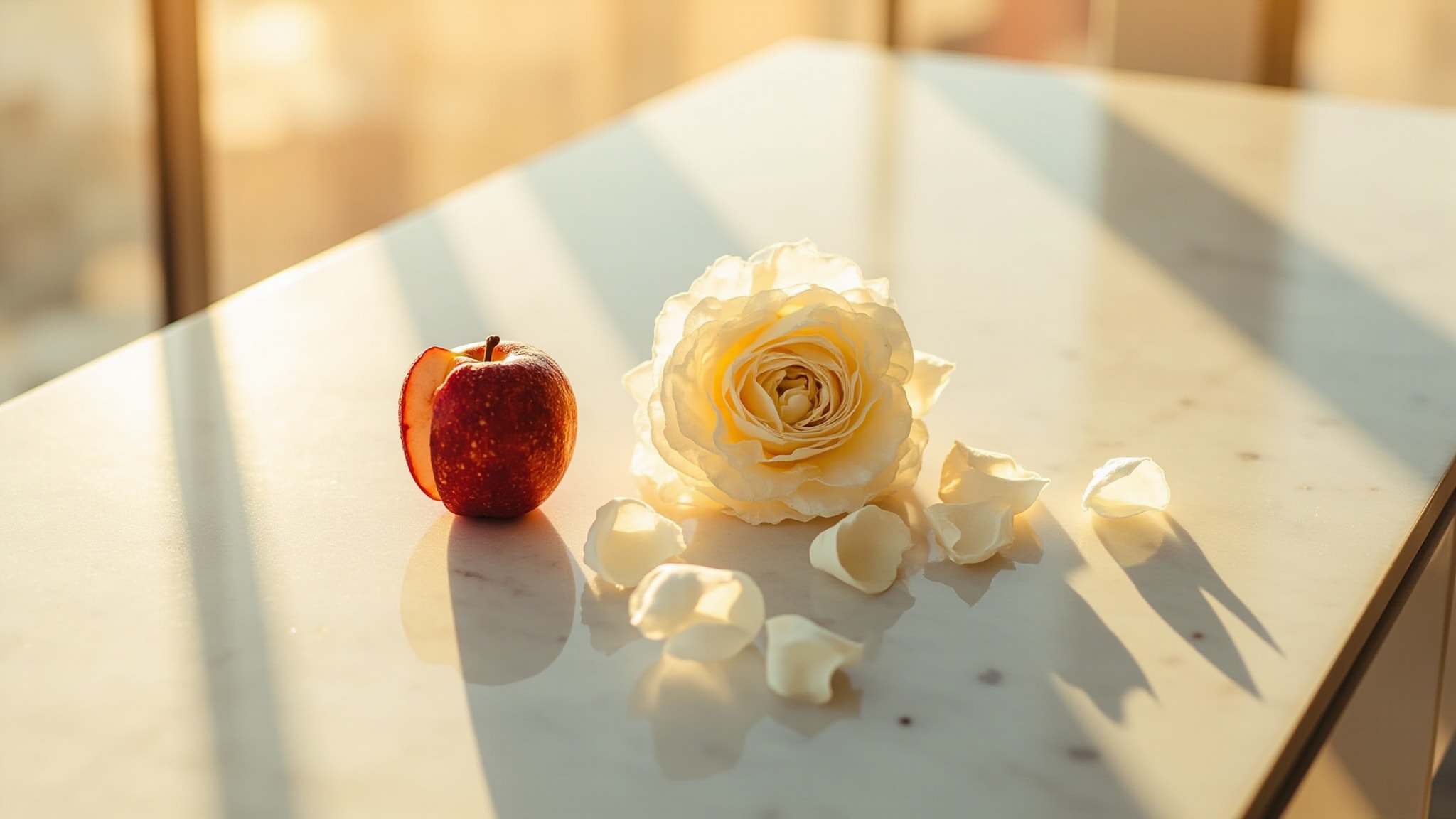
Pierre Bourdon designed D Luciano Soprani in 2007 as a study in contrasts. Bourdon built the composition upward from fruit, red apple, pineapple, bergamot, that opens bright and immediately engaging, then let white florals do the slow work of earning attention. Gardenia, tuberose, violet, lily of the valley, neroli, rose. Six heart notes that could easily overwhelm each other. Instead they layer like fabric: each one visible, none of them fighting. The bright opening gives way to a rich floral heart that unfolds gradually, revealing each bloom in sequence rather than all at once. There's a creamy quality to the tuberose that softens the sharper green notes, while the lily of the valley adds a delicate freshness that keeps the composition from becoming too heavy.
What makes the structure interesting is the tension between the top and base. The opening is unmistakably fruity, tropical, bright, acidic, the kind of thing that grabs attention in the first spray. But the base pulls in a different direction: peach, coconut, musk, amber, iris. Creamy, powdery, animalic in the best sense. The handoff between these two worlds, the bright fruit giving way to warm florals over hours, is where D Luciano Soprani earns its reputation. It's not a linear fragrance. It's a conversation between two moods: the morning, and what the evening makes of it.
The evolution
The opening hits immediately. Red apple's crunch, pineapple's tropical sweetness, bergamot's citrus sharpness, a three-note salvo that reads as bright, summery, and completely unpretentious. Cinnamon peeks through too, a warmth that keeps the fruit from reading as juvenile. This phase lasts roughly thirty minutes before the florals begin their takeover. By the second hour, gardenia and tuberose have claimed the foreground. The fruit doesn't disappear, it retreats, becoming a sweet undertone beneath the creamy white florals. Violet adds its powdery signature, lily of the valley keeps things green and grounded. Rose appears briefly, almost as a cameo, before tuberose reasserts dominance. The drydown arrives around hour four or five. The florals begin their slow exit. What remains is peach, ripe and slightly syrupy, wrapped in coconut cream, softened by musk and ambergris. Vetiver and cedarwood ground everything with an earthy, woody finish that stays close to the skin for hours more.
Cultural impact
D Luciano Soprani exists comfortably within the late-2000s feminine fruity-floral canon. The fragrance occupies a distinct corner of that landscape, offering its own particular take on bright fruit and warm florals. Rather than trying to reinvent the category, it does its particular thing well. The straightforward confidence of the composition appeals to wearers who appreciate a scent that doesn't announce itself but rewards attention. There's no complexity for complexity's sake, no layered meta-narratives about what fragrance should be. Just a clean, assured scent that knows what it wants to be and commits to it fully.