The Story
Why it exists.
The beginning
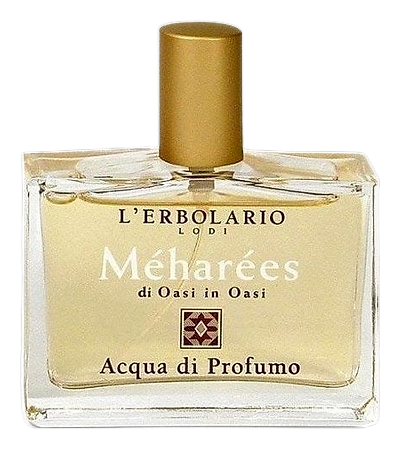
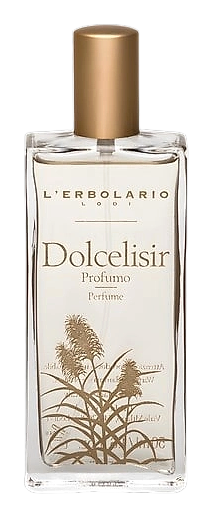
Peonie was conceived as a tribute to the peony, Italy's beloved spring blossom, and released in 2009 by L'Erbolario. The house, born in 1978 from a modest Lodi herbalist shop, has always turned botanical study into modern perfume. With a focus on authentic extracts, the perfumers set out to capture not just the flower itself but its full seasonal moment, from the first petal unfurl to the quiet richness of late spring afternoons.
For L'Erbolario, each note is a deliberate choice grounded in the house's herbalist tradition. The white florals in Peonie's opening represent the most obvious botanical tradition, but the real craft shows in how the heart evolves. Damson plum connects to the Italian countryside, while Bolivian red chili and tarragon speak to the perfumer's willingness to push beyond conventional florals. The drydown anchors everything in earthy, woody materials that echo the Lodi shop where this all began, grounding luxury in botanical authenticity.
The evolution
The fragrance begins by replicating that initial rush of spring, an avalanche of white petals opening in warmth. Peony and gardenia lead the charge, their lush femininity balanced by the cooler greens of lily and lilac. As the opening fades, the composition shifts toward a more complex middle act, where damson plum offers a fruity sweetness that could have become predictable if left alone. The addition of Bolivian red chili changes everything, adding an unexpected heat that lifts the heart away from mere prettiness. Ginger and caraway provide supporting warmth, while tarragon's herbal edge keeps the composition grounded in L'Erbolario's botanical heritage. By the time the drydown arrives, the florals have retreated entirely, leaving a warm, woody foundation of patchouli and American cedar that carries the fragrance through its final hours.
Cultural impact
Peonies have long been celebrated in art and literature across cultures, symbolizing romance, prosperity, and honor. In East Asian traditions, they appear in festivals and are painted on silk to convey elegance. European gardens prized them during the Victorian era, where they represented wealth and refined taste. The inclusion of ylang‑ylang and gardenia adds a tropical nuance that reflects historic trade routes, linking ancient perfumery practices from the Indian Ocean to modern boutique creations. This blend honors both heritage and contemporary sensibilities, making the fragrance a bridge between past rituals and today’s appreciation for natural beauty.