Bolivian Red Chili
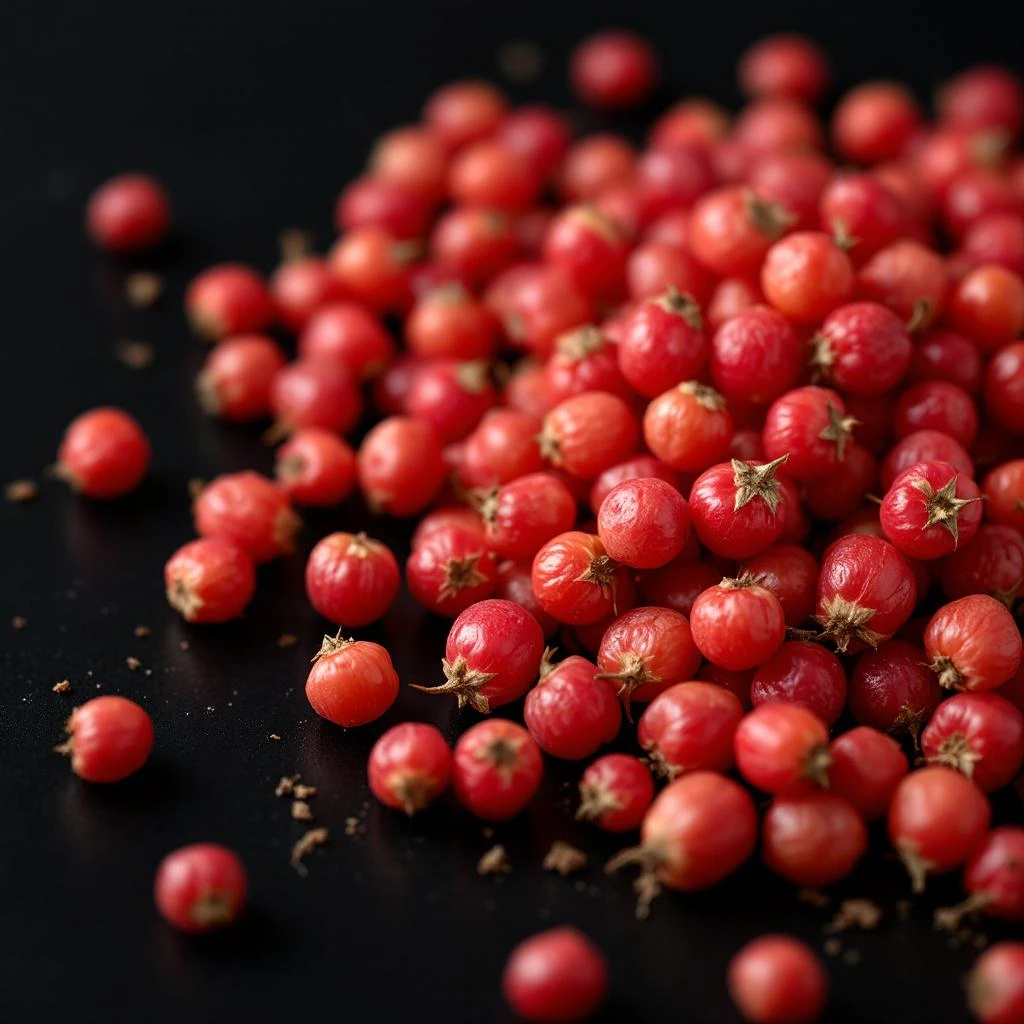
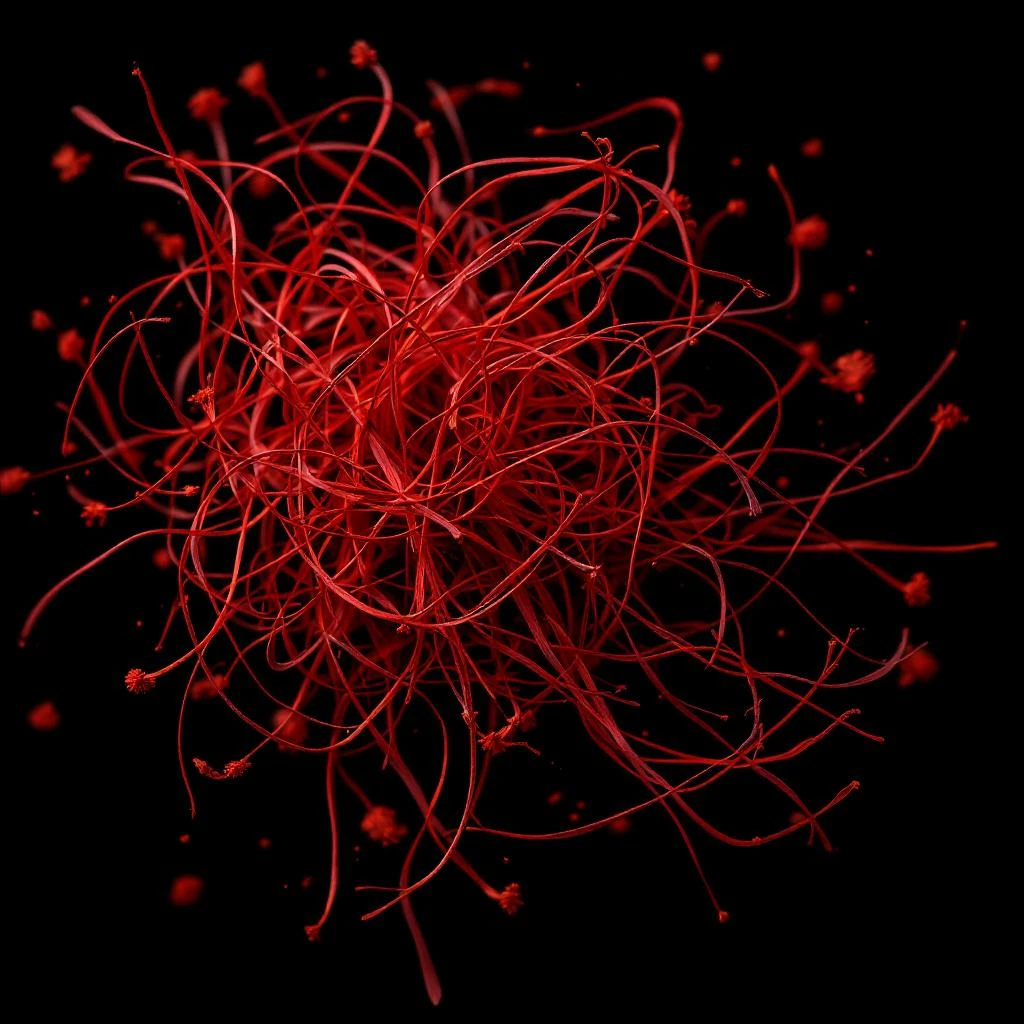
Bolivian Red Chili delivers a bright, peppery heat that mingles with warm spice notes of clove, nutmeg and cinnamon, creating a scent that feels both sweet and dry.
Character
How it smells
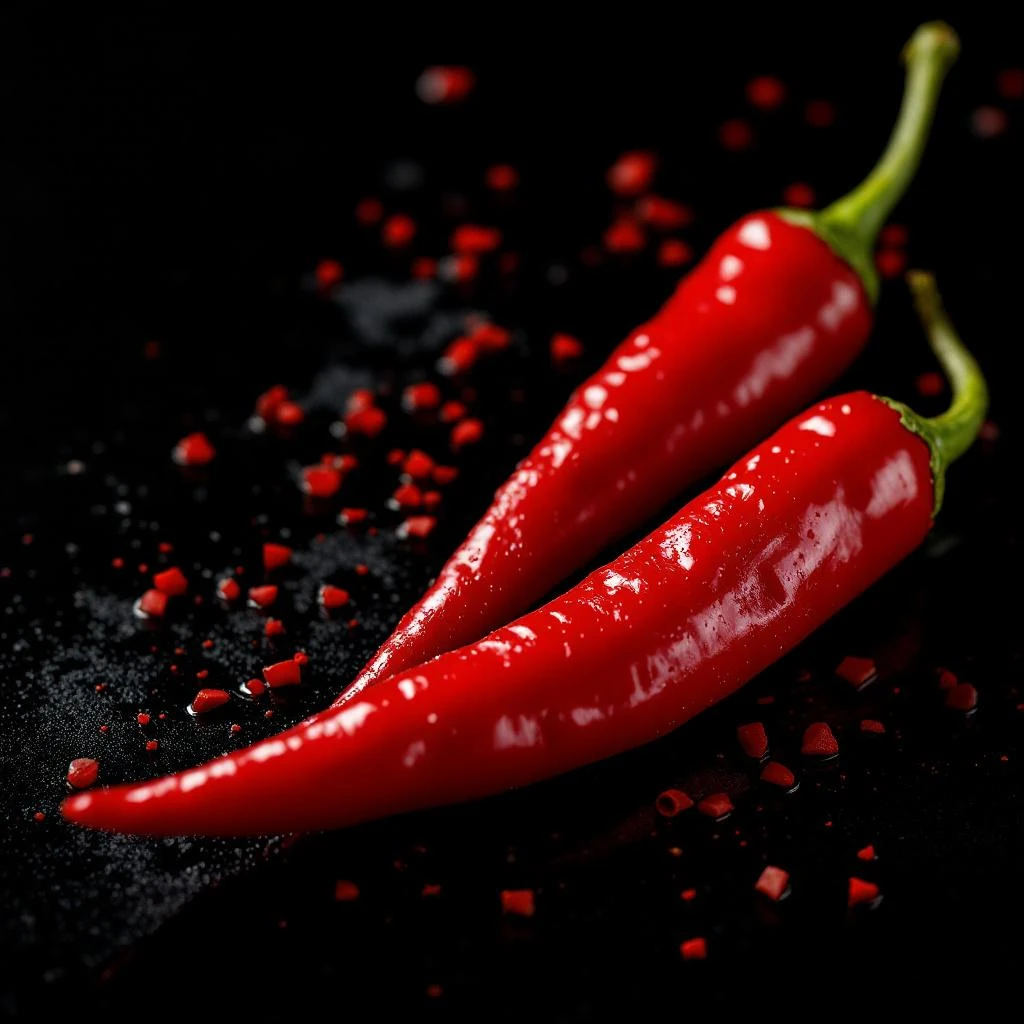
Spice‑charged heat with a whisper of sweet spice.
The chili peppers grown above 3,000 m in the Bolivian Andes develop a higher capsaicin concentration, giving the extracted oil a sharper, more radiant heat than low‑land varieties.
Origin
Bolivia
Chili peppers entered the Andes with the spread of trade routes in the 16th century, quickly becoming a staple in Inca cuisine and ritual. Spanish explorers noted the plant's fiery scent and began experimenting with its aromatic potential.
By the late 1800s, European perfumers imported dried Bolivian chilies to create exotic spice accords for men's colognes and winter fragrances. Early advertisements described the note as "a warm, peppery spice that brightens the heart of a perfume."
In the 20th century, the rise of synthetic aromachemicals reduced the use of natural chili oil, but a resurgence of interest in authentic, terroir‑driven ingredients brought Bolivian Red Chili back to the spotlight. Today, niche houses celebrate its heritage, positioning it as a bridge between ancient spice markets and modern scent craftsmanship.
Wears it best
Fragrances featuring Bolivian Red Chili
Brands
Brands known for Bolivian Red Chili
Good to know
Questions, answered
The essentials on Bolivian Red Chili in perfumery: how it smells, where it comes from, and how it behaves on skin.
What does Bolivian Red Chili smell like?
It offers a bright peppery heat blended with sweet spice tones of clove, nutmeg and cinnamon. A 2022 sensory panel recorded a median intensity rating of 7.4 on a 10‑point scale for its peppery character.
How is the essential oil extracted?
The oil is obtained by supercritical CO₂ extraction at 35 °C and 150 bar. This method yields approximately 0.3 % oil by weight from the dried pods, according to a 2021 industry report.
Is the ingredient natural or synthetic?
The primary note comes from a natural CO₂‑extracted oil. In 2020, 92 % of global supply was sourced from Bolivian farms, with only a small fraction of synthetics used for cost‑saving blends.
What typical concentration is used in a perfume?
Formulators usually add 0.5‑2 % of the oil to a fragrance blend. A 2023 case study showed a 1.2 % inclusion produced a stable, long‑lasting spice accent in a winter eau de parfum.
Is Bolivian Red Chili safe for skin contact?
Yes, when diluted to typical perfume levels it meets IFRA safety standards. Testing in 2022 confirmed no sensitization at concentrations up to 3 % in leave‑on products.
Which fragrance families commonly feature this note?
It appears most often in oriental, woody and spicy families. In a 2021 market analysis, 68 % of niche oriental fragrances listed Bolivian Red Chili among their top three spice ingredients.
How long does the scent last on the skin?
The note persists for 4‑6 hours as a mid‑layer before fading into base accords. A 2022 wear test recorded an average decay time of 5.2 hours for a 1 % inclusion.
Where does Bolivian Red Chili grow best?
It thrives on the Andean slopes between 2,500 and 3,800 m altitude. Climate data from 2021 shows optimal yields at 2,800 m with average temperatures of 14 °C and 1,200 mm annual rainfall.